

Best Organic CBD Oil 2026: Top 5 Ranked & Compared
August 19, 2026
CBD for Focus: How It Works & What to Expect
August 21, 2026

If you’re stressed and looking for something that might actually help, CBD is worth exploring. Here’s the honest truth: CBD works by tapping into your body’s natural endocannabinoid system, which controls how you respond to stress. Unlike prescription medications or other treatments, it’s non-psychoactive (so you won’t get high), and it won’t leave you feeling foggy the next morning.
Thank you for reading this post, don't forget to subscribe!
The research backing CBD for stress relief is real. Multiple studies from 2023 and beyond show that people using CBD report meaningful reductions in anxiety and stress symptoms. And here’s what makes it even better: it often helps with the stuff stress causes, like poor sleep and chronic pain. If you’re serious about managing your stress naturally, TRY-IT-CBD offers quality products designed to help you feel the difference.
How CBD Actually Helps With Stress
Your body has an endocannabinoid system (ECS). You probably didn’t learn about it in school, but it’s basically a network of receptors in your brain and body that keeps things balanced. When life gets chaotic, your ECS can fall out of whack, which makes stress feel bigger and scarier than it should.
CBD interacts with your ECS to restore balance. Instead of forcing a chemical change like a pill does, it gently nudges your nervous system toward calm. Research from the National Institutes of Health shows that CBD helps reduce the brain’s stress response without side effects.
What this means for you: less racing thoughts, a quieter mind, and the ability to handle everyday stressors without feeling overwhelmed.
Why CBD Beats Traditional Stress Management (Sometimes)
Don’t get us wrong—meditation, exercise, and therapy are all fantastic. But sometimes you need extra support, and that’s where CBD shines.
Prescription anxiety medications often come with side effects: weight gain, sexual dysfunction, dependency, or brain fog. CBD doesn’t have those baggage. You won’t become dependent on it, and you can skip a dose without withdrawal symptoms.
CBD also works differently depending on your dose. Lower doses can give you a gentle, steady calm throughout the day. Higher doses are better for deeper relaxation when anxiety is at its worst. This flexibility means you can tailor it to your life instead of forcing your life to fit a rigid medication schedule.
What the Research Says About CBD and Stress Relief
Since 2023, multiple peer-reviewed studies have shown that CBD meaningfully reduces anxiety and stress-related symptoms. One major study found that people taking CBD reported improvements in focus, sleep quality, and overall mood within weeks.
The mechanism is straightforward: CBD increases serotonin signaling in your brain (similar to how SSRIs work, but without the synthetic pressure). It also reduces cortisol—your body’s stress hormone—so you feel physically calmer, not just mentally at peace.
Additional benefits documented in research include pain relief, better sleep, and even support for people dealing with arthritis-related stress and discomfort. If stress is tangled up with physical tension or insomnia (it usually is), CBD addresses both at once.
How to Use CBD for Stress Relief
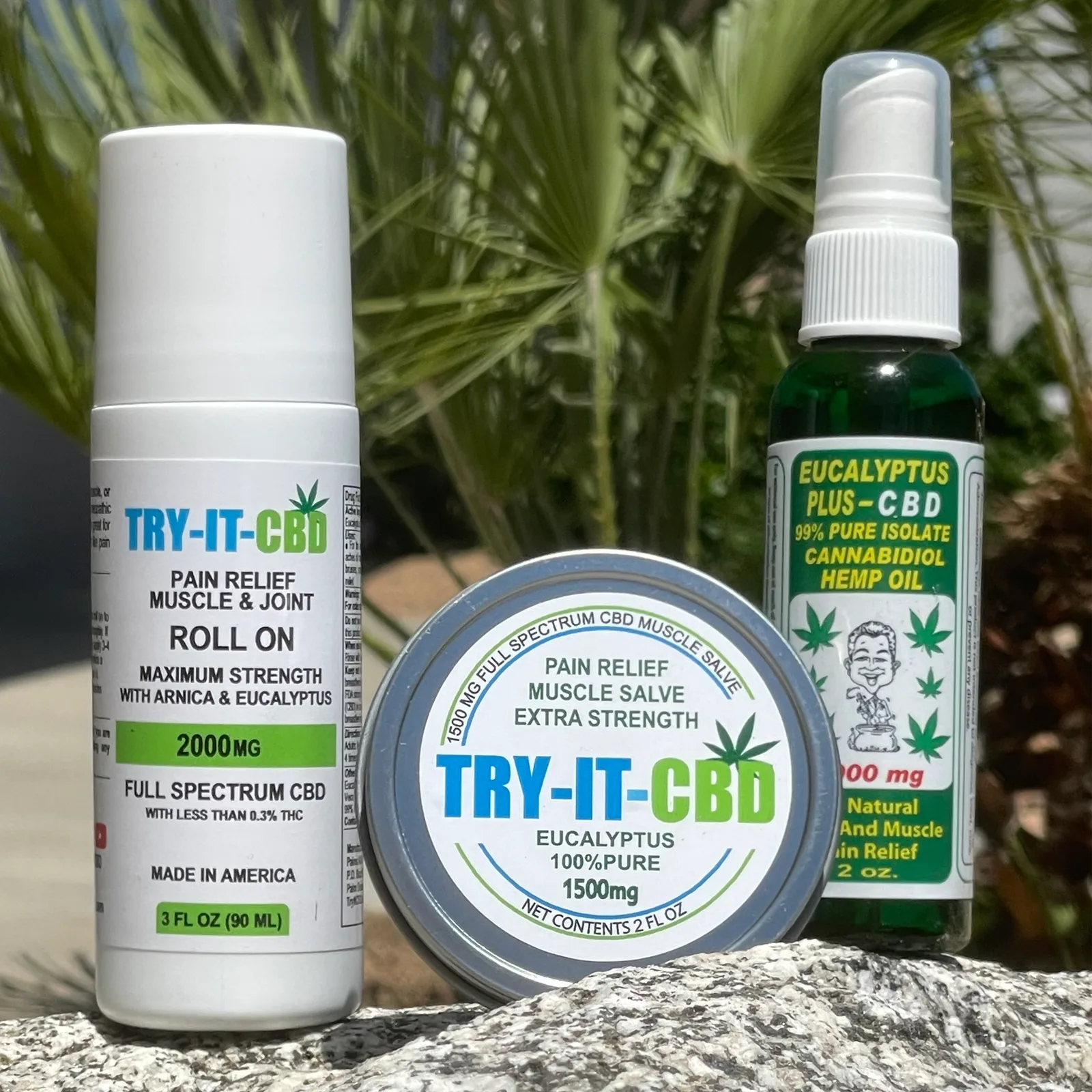
Here’s where it gets practical. CBD comes in several forms, and the best one depends on how fast you need relief and your lifestyle.
- Tinctures (CBD oil drops): Fastest acting. Place drops under your tongue, hold for 30-60 seconds, and you’ll feel effects in 15-30 minutes. Great for acute stress episodes.
- Gummies: Easiest for daily use. You just take one with breakfast or lunch. Effects take 45-90 minutes but last longer (4-6 hours). TRY-IT-CBD makes gummies specifically formulated for stress relief and relaxation.
- Full-spectrum vs. broad-spectrum: Full-spectrum includes trace amounts of other cannabinoids and plant compounds that work together (the “entourage effect”). Broad-spectrum has those removed but still works. If you’re sensitive to THC traces, broad-spectrum is your move.
- Dosage: Start low (10-15mg) and increase by 5-10mg every few days until you find your sweet spot. Most people see results between 25-50mg daily, but everyone’s different.
Timing matters too. Some people take CBD every morning for steady calm throughout the day. Others use it as needed when stress hits. Both approaches work.
What to Look For When Choosing a CBD Product
Here’s where most people mess up: they buy cheap CBD from random online vendors and wonder why it doesn’t work. Quality varies wildly in this industry.
When you’re shopping, look for these non-negotiables:
- Third-party testing: A lab that isn’t the company itself should have tested the product for potency and purity. This matters more than anything else.
- Full ingredient transparency: You should know exactly what’s in the bottle. No sketchy additives or hidden ingredients.
- Source clarity: Where did the hemp come from? Was it grown in the US with responsible farming practices? Vague sourcing is a red flag.
- Clear dosing: The label should tell you exactly how much CBD is in each serving. If you can’t figure it out easily, skip it.
If you’re not sure where to start, TRY-IT-CBD handles all of this for you. They’re vertically integrated, meaning they grow, extract, and test their own products. No middlemen. No surprises. Every batch is third-party tested, and they’re transparent about exactly what you’re getting.
Common Mistakes People Make With CBD
You can do everything right and still feel disappointed if you make these mistakes:
Expecting instant miracles: CBD isn’t a magic bullet. Most people need 7-14 days of consistent use before they feel the full effect. Patience matters.
Using inconsistently: Taking CBD randomly won’t work as well as a daily routine. Your body needs steady support to rebalance your endocannabinoid system.
Buying the cheapest option: Cheap CBD is cheap for a reason. Low-quality extraction, minimal potency, and contamination risks. Spend a bit more upfront and actually feel results.
Related: Hemp for Pain Relief: Does It Actually Work?
Related: CBD for Neuropathic Pain: Does It Actually Work?
Related: CBN Oil for Sleep: Does It Actually Work?
Related: CBD for Sleep Anxiety: Does It Actually Work?
Not consulting your doctor: If you take medications, especially blood thinners or antianxiety drugs, talk to your healthcare provider before starting CBD. It can interact with certain medications.
CBD for Stress Relief vs. Other Wellness Approaches
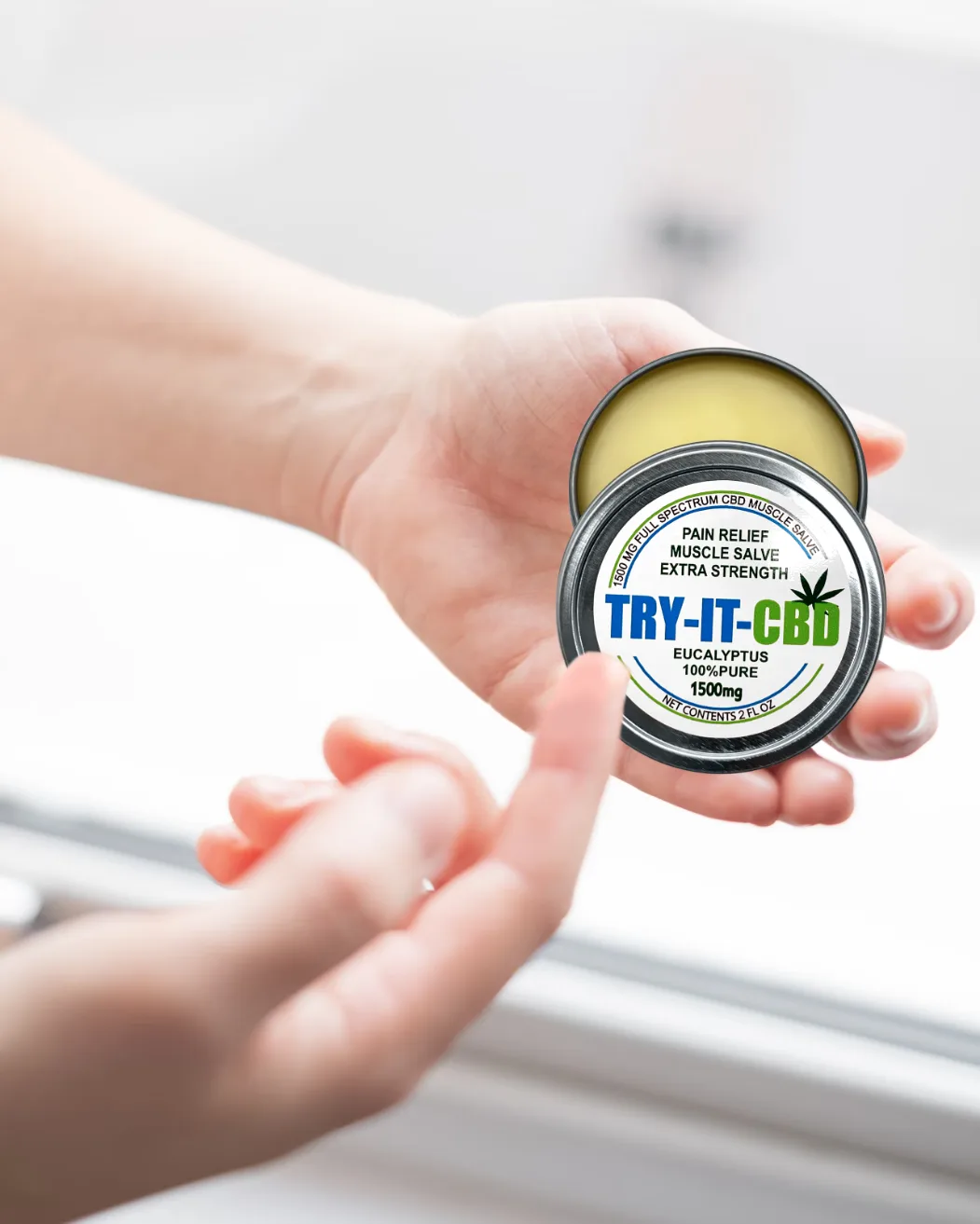
CBD isn’t meant to replace therapy or exercise. It’s meant to support them. Think of it as a foundation that makes everything else work better.
When you’re calm, you’re more motivated to exercise. When your sleep improves, you handle stress better during the day. When anxiety isn’t consuming your energy, you can actually focus on the root causes of your stress instead of just white-knuckling through it.
The most successful people we’ve seen combine CBD with good sleep habits, regular movement, and honest conversations about what’s stressing them out. CBD is the tool that makes the other tools more effective.
Real Talk: Is CBD Right for You?
CBD works for most people, but not everyone. If you’re a skeptic, that’s fine—start small and pay attention to how you actually feel over two weeks. If nothing changes, it’s probably not your answer.
But if you’ve been dealing with constant stress, racing thoughts, or anxiety that won’t quit, CBD is absolutely worth trying. It’s legal, it’s safe, and it has actual research backing it up. No high, no dependency, no scary side effects.
The only way to know if it works for you is to try it. Quality matters, consistency matters, and patience matters. If you’re ready to explore this, make sure you’re starting with a product you can actually trust. That’s why so many people choose TRY-IT-CBD—they know exactly what they’re getting, and they can feel the difference.
People Also Ask
How long does it take CBD to work for stress?
Most people feel results within 15-30 minutes if they use a tincture, and 45-90 minutes if they take gummies. For lasting stress relief, though, you’ll want to use CBD consistently for 7-14 days. That’s when your endocannabinoid system really starts to rebalance.
Can you take CBD every day?
Yes. CBD is safe for daily use, and many people find it works best that way. Your body doesn’t build tolerance to CBD like it does with prescription medications, so you won’t need to keep increasing your dose.
Will CBD make you tired?
Not necessarily. Stress itself often disrupts sleep, so when CBD calms you down, better sleep is a side effect—but a good one. Most people report feeling alert and calm, not drowsy. If you want more sleep support specifically, TRY-IT-CBD makes sleep-focused gummies formulated for deeper rest.
Is CBD legal?
Yes, CBD derived from hemp is legal in all 50 states and most countries. It contains no psychoactive THC (or only trace amounts in full-spectrum products), so there’s no legal risk. Always check your local laws, but in the US and most developed countries, you’re good to go.


