

CBD for Stress Relief: Does It Actually Work?
August 20, 2026
Best CBD Pain Salve 2026: Top 5 Ranked & Compared
August 22, 2026

Can CBD help you focus? Short answer: maybe, but not the way you’re probably thinking.
Thank you for reading this post, don't forget to subscribe!
CBD doesn’t work like caffeine. It’s not a stimulant that’ll jolt your brain awake. Instead, CBD seems to work backward—it reduces the stuff that kills your focus, like stress, anxiety, racing thoughts, and physical discomfort. When those distractions quiet down, your mind has more bandwidth to concentrate on what actually matters.
If you’re dealing with stress, occasional anxiety, or poor sleep (all common focus killers), TRY-IT-CBD products might be worth testing. Here’s what you need to know.
How CBD Actually Improves Focus
Let’s be honest: there isn’t a ton of hardcore science specifically proving “CBD = laser focus.” What we do have is a lot of user reports and emerging research suggesting CBD helps focus indirectly.
The main mechanism? Stress and anxiety are focus killers. They flood your brain with cortisol and adrenaline, making it nearly impossible to concentrate on boring stuff like work emails or studying. Research from sources like the NIH’s PubMed database shows CBD may help reduce everyday stress and occasional anxiety, creating a calmer baseline where focus becomes more natural.
When you’re not worried, distracted, or physically uncomfortable, your attention naturally improves. That’s the CBD-for-focus story.
The Dosing Sweet Spot for Focus
Here’s where it gets tricky: there’s no magic number. CBD dosing for focus is super individual.
Most users report that low to moderate doses work best for concentration. This usually means anywhere from 10 mg to 50 mg per day, depending on your body weight, metabolism, and how you respond to CBD. Some people feel more focused on 15 mg. Others need 40 mg. A few find that high doses actually make them feel too relaxed and spacey—the opposite of what you want when you’re trying to crush a deadline.
The key? Start low and go slow. Take a small dose (like 10-15 mg) and see how you feel after an hour or two. If you’re not noticing any shift in your stress levels or ability to concentrate, bump it up by 5-10 mg the next time. Most people find their sweet spot within a week or two of gentle experimenting.
When you find the right dose for you, consistency matters. Taking CBD regularly (daily or most days) seems to work better than random, sporadic use. Your body and mind adapt, and the focus-boosting effects tend to kick in over time rather than immediately.
Sleep Quality Fuels Daytime Focus
Here’s a secret weapon most people overlook: if you sleep better, you’ll focus better the next day. It’s not as direct as you’d think, but it’s real.
CBD is known for supporting better sleep. It may help you fall asleep faster and stay asleep longer by reducing anxiety and occasional pain that keeps you wired at night. When you actually get 7-8 hours of solid rest, your cognitive performance, attention span, and mental clarity improve dramatically.
Related: CBD for Athletes: Recovery, Performance & What Works
Many users find that taking CBD in the evening (or a dose designed specifically for sleep support) improves their nighttime rest, and they wake up more alert and focused the next day. If poor sleep is your actual bottleneck for focus, this might be the real win for you.
TRY-IT-CBD offers dedicated sleep aid gummies formulated to support rest, which could be a game-changer if night-time anxiety or restlessness is crushing your focus the next morning.
CBD and Physical Discomfort: The Hidden Focus Blocker
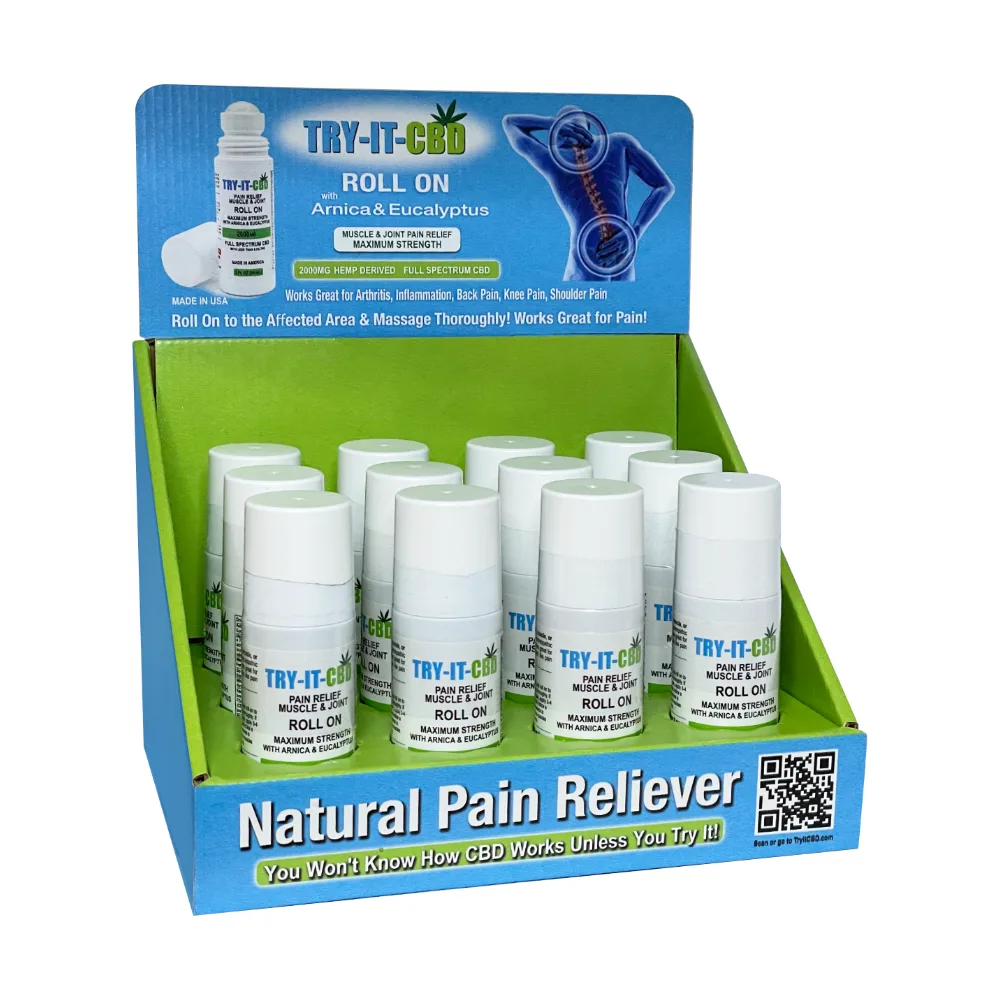
You know what nobody talks about? If you’re dealing with chronic pain or muscle tension, it’s almost impossible to focus. Your brain is too busy sending pain signals to concentrate on a spreadsheet or creative work.
Related: CBD for Muscle Tension: What Works & How to Use It
CBD’s potential pain-relief properties mean it might remove that physical distraction. If you’ve got neck tension from hunching over your desk, lower back pain from sitting, or general muscle soreness, CBD topicals (like roll-ons or salves) or a daily dose of tincture could ease that discomfort enough to clear mental space for actual work.
Less pain equals fewer interruptions. Fewer interruptions equals better focus.
Stress Reduction: The Real Focus Hack
Stress and anxiety are probably the biggest focus killers out there. When you’re stressed, your prefrontal cortex (the part that handles concentration and decision-making) basically shuts down. You’re stuck in fight-or-flight mode.
CBD may help dial down that stress response. User reports consistently mention feeling calmer, less “in their head,” and more able to settle into work after taking CBD. You’re not sedated or high—you’re just less tense.
Think of it like this: stress is static on a radio station. CBD doesn’t change the station, but it turns down the static so you can actually hear the music. That’s focus.
If you’re prone to stress-related anxiety or racing thoughts that make it hard to concentrate, experimenting with a TRY-IT-CBD tincture or gummy might help. The goal is finding what dose and product format work for your lifestyle.
Finding Your CBD Product for Focus
Not all CBD products are equal, especially when your goal is focus.
Full-spectrum CBD (which includes all the plant compounds, not just isolated CBD) is popular because many users report better overall results. You get CBD plus trace cannabinoids, terpenes, and other compounds that may work together to reduce stress and anxiety more effectively.
For focus specifically, you have options:
- Tinctures: Fast acting (15-30 mins), easy to dose, flexible timing. Drop a dose under your tongue when you need clarity.
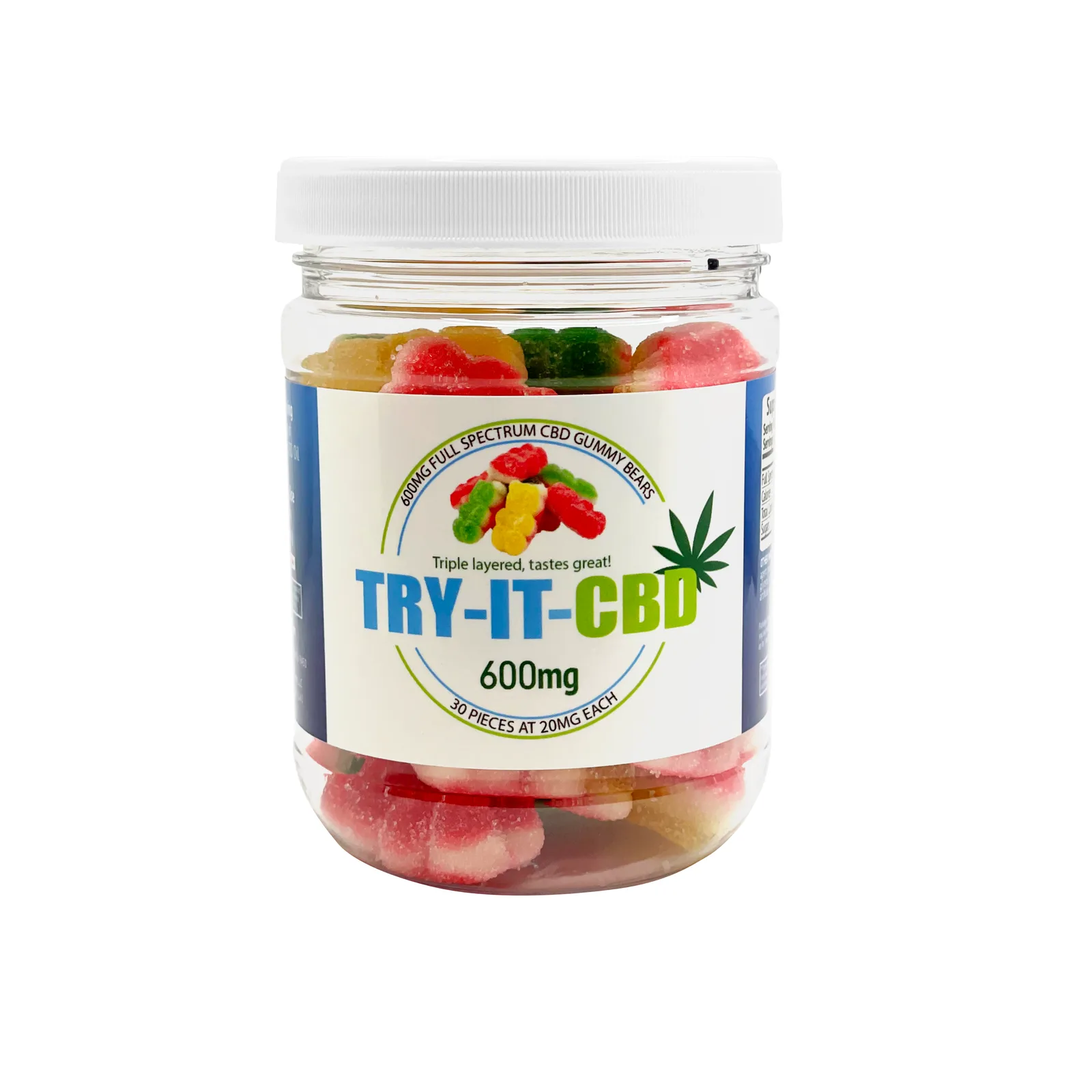
- Gummies: Discreet, consistent dosing, but slower to kick in (1-2 hours). Better for preventive daily use than on-demand focus.
- Roll-ons or salves: If your focus blocker is physical pain or tension. Apply to sore areas for localized relief.
The format depends on your schedule. If you need focus right now, a tincture works faster. If you’re preventing an afternoon energy dip, a morning gummy is easier.
Related: What Does CBD Do? A Real Guide to How It Works
Related: What Is the Endocannabinoid System? Why CBD Works
What the Research Actually Says (and What It Doesn’t)
Let’s be real: the science on CBD for focus is still catching up to the hype.
There’s solid research showing CBD may help with anxiety and sleep. There’s anecdotal evidence from thousands of users saying they feel more focused when they take CBD regularly. But direct, peer-reviewed studies specifically proving “CBD improves focus” are thin on the ground.
This doesn’t mean it doesn’t work. It means we need more research. The good news? Interest in CBD research is exploding, and we’re learning more every year.
For now, the best approach is to treat CBD for focus as an experiment. Your body isn’t exactly like anyone else’s. What works for your friend might not work for you. The only way to know is to try it, track your experience (how’s your focus? stress level? sleep?), and adjust.
Before you start, especially if you’re taking other medications, talk to your doctor. They can let you know if CBD interacts with anything you’re currently taking and help you figure out a smart dosing approach.
Pro Tips for Testing CBD for Focus
- Keep a focus log: Write down the dose, time of day, product type, and how sharp your mind felt 30-60 mins later. Over a week or two, patterns emerge.
- Test one variable at a time: Change either your dose or the product, not both. Makes it way easier to figure out what’s actually helping.
- Give it at least a week: CBD doesn’t always work immediately. Your body needs time to adjust and accumulate it in your system.
- Pair it with basics: CBD works best when you’re also sleeping enough, drinking water, eating real food, and moving your body. It’s not a magic fix for terrible habits.
- Time it right: If you need afternoon focus, take your dose in the morning or early afternoon. If you’re using CBD to support sleep (which helps next-day focus), take it in the evening.
The Bottom Line on CBD for Focus
CBD for focus works best when you stop thinking of it as a stimulant and start thinking of it as a stress-and-anxiety eraser. It clears the mental clutter that blocks concentration.
Related: CBD vs THC for Anxiety: Which Works Better?
Low to moderate doses, consistency, quality products, and patience are the keys. You also can’t separate CBD from sleep quality—better sleep means better focus. And if your focus blocker is physical discomfort, CBD’s potential pain-relief benefits might be the hidden win.
Ready to experiment? TRY-IT-CBD makes full-spectrum and broad-spectrum products with rigorous third-party testing, so you know exactly what you’re taking. Start small, track your results, and give it time. You won’t know how CBD affects your focus unless you try it.
People Also Ask
Does CBD give you energy or make you tired?
CBD itself isn’t stimulating and isn’t sedating. It’s more like a volume knob for stress and anxiety. Low to moderate doses might make you feel calm and alert (better for focus). High doses might make you feel more relaxed (better for winding down). The dose and individual response matter a lot.
Can I take CBD during the workday for focus?
Yes, if you use a product that works fast (like a tincture) and time it right. Take it 15-30 mins before you need to focus. Gummies take longer to kick in (1-2 hours), so they’re better for preventive morning dosing. Avoid huge doses that might make you too relaxed to work.
How long does it take for CBD to help with focus?
It depends. Tinctures work within 15-30 minutes. Gummies take 1-2 hours. But the real benefits (feeling calmer, sleeping better, noticing sustained focus) often take a week or two of consistent use. Your body adapts and CBD accumulates, so patience helps.
Is CBD safe to take every day for focus?
For most people, yes. CBD is well-tolerated and has a good safety profile. But individual responses vary. Start with a low dose, and if you’re on other medications, talk to your doctor first. They can make sure there are no interactions and help you find the right approach for your situation.


