

Best High Quality CBD 2026: Top 5 Brands Ranked
August 25, 2026
Does Full Spectrum CBD Have THC? Yes—Here’s What You Need to Know
August 27, 2026

You’re standing in the wellness aisle (or scrolling online) wondering if CBD or THC is the right move for your pain, sleep, or anxiety. The confusion is real. Both compounds come from cannabis, both are talked about constantly, yet they affect your body in totally different ways. Here’s what you actually need to know to make a choice that fits your life.
Thank you for reading this post, don't forget to subscribe!
The biggest difference? THC gets you high. CBD doesn’t. That single fact changes everything about how you’ll feel, function, and whether you’ll pass a drug test. But the story doesn’t end there. Understanding the real CBD vs THC effects means knowing what each one actually does in your body, what side effects to watch for, and which one aligns with your wellness routine.
Related: CBD vs THC for Anxiety: Which Works Better?
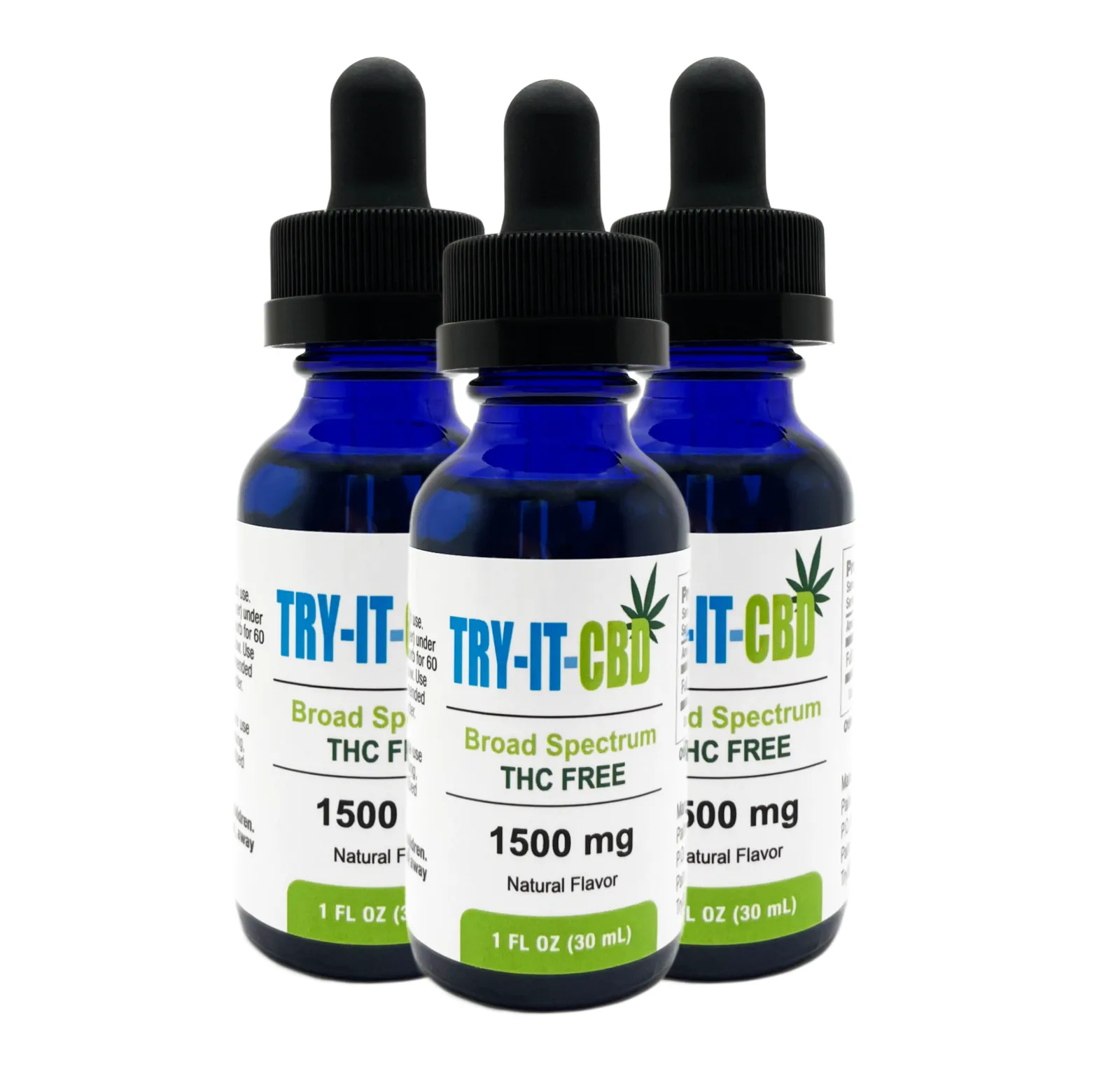
If you want therapeutic benefits without the intoxication, TRY-IT-CBD specializes in full-spectrum and broad-spectrum CBD products designed to work with your body, not against it. Let’s break down the facts.
CBD vs THC Effects: The Core Difference
THC (tetrahydrocannabinol) binds directly to cannabinoid receptors in your brain and triggers the euphoric “high” cannabis is famous for. You’ll feel altered. Your judgment, memory, and concentration can take a hit. Some people also experience dizziness, fast heart rate, or nausea.
CBD (cannabidiol) affects your brain too, but without the buzz. It doesn’t bind the same way THC does. Instead, it interacts with your endocannabinoid system in a gentler, more subtle way. You stay sharp. You stay in control. You get potential wellness benefits without the intoxication.
Think of it this way: THC is the loud roommate who changes the whole vibe. CBD is the thoughtful friend who improves the atmosphere without stealing the spotlight.
THC Effects and Side Effects You Should Know
THC does offer real therapeutic potential. Many people use it for pain relief, nausea management, and sleep support. But those benefits come with trade-offs.
Common THC side effects include:
- Concentration and memory problems
- Impaired judgment
- Dizziness and balance issues
- Increased heart rate
- Nausea or vomiting
- Drowsiness
- In some cases, breathing problems
If you’re driving, operating machinery, or need to stay mentally sharp for work, THC isn’t compatible with those activities. It also stays in your system longer and can show up on drug tests weeks after use, which matters if your workplace conducts screening.
CBD Effects and Side Effects: A Gentler Profile
CBD’s side effect profile is significantly milder. Most people tolerate it well, which is why it’s become the go-to for those seeking wellness support without compromise.
Possible CBD side effects (rare and usually mild):
- Decreased alertness or drowsiness
- Mood changes
- Reduced appetite
- Gastrointestinal symptoms (diarrhea in some cases)
These occur infrequently and typically resolve quickly. Most users experience zero side effects. This is why TRY-IT-CBD customers report using CBD as part of their daily wellness routine without disruption.
Do Both CBD and THC Have Therapeutic Benefits?
Yes. Both show potential for managing pain, nausea, anxiety, and insomnia. That’s backed by real research. According to the National Institutes of Health, both cannabinoids demonstrate anti-inflammatory and analgesic properties.
But effectiveness varies person to person. What works brilliantly for your friend’s chronic pain might not be your magic answer. This is why trying quality products from a trusted source matters. You get to test what your body actually responds to.
Related: Best CBN Drops for Sleep: What Actually Works in 2026
Related: Best CBD Softgels for Daily Wellness: What Actually Works
Related: Best CBD Rub for Pain Relief That Actually Works
Drug Interactions and Important Considerations
Here’s where it gets practical. If you’re taking other medications, both CBD and THC can interact with them. CBD can delay the onset and prolong the psychotropic effects of THC if you combine them. That’s worth knowing if you’re considering a combination approach.
Neither compound is “bad” for you, but both can affect drug test results. If you’re in a profession that requires regular screening (transportation, healthcare, law enforcement), CBD is the safer choice. It’s non-intoxicating and won’t trigger positive results the way THC will.
Which One Is Right for Your Goals?
Choose CBD if you want to support your wellness without altering your mental state, avoiding drug test complications, or staying fully functional throughout your day. Choose CBD if pain relief, better sleep, or anxiety management matter to you, but so does staying sharp and in control.
Choose THC only if you’re in a legal jurisdiction, comfortable with intoxication, and willing to accept the side effect profile. Some people genuinely benefit from THC’s stronger effects. That’s a valid choice, but it’s a different choice from CBD.
If you’re leaning toward CBD as your wellness ally, TRY-IT-CBD offers full-spectrum tinctures, broad-spectrum gummies, sleep aid formulas, and topical roll-ons specifically designed to deliver results without the high. All products are third-party tested and made in-house for quality you can trust.
Finding Your CBD Starting Point
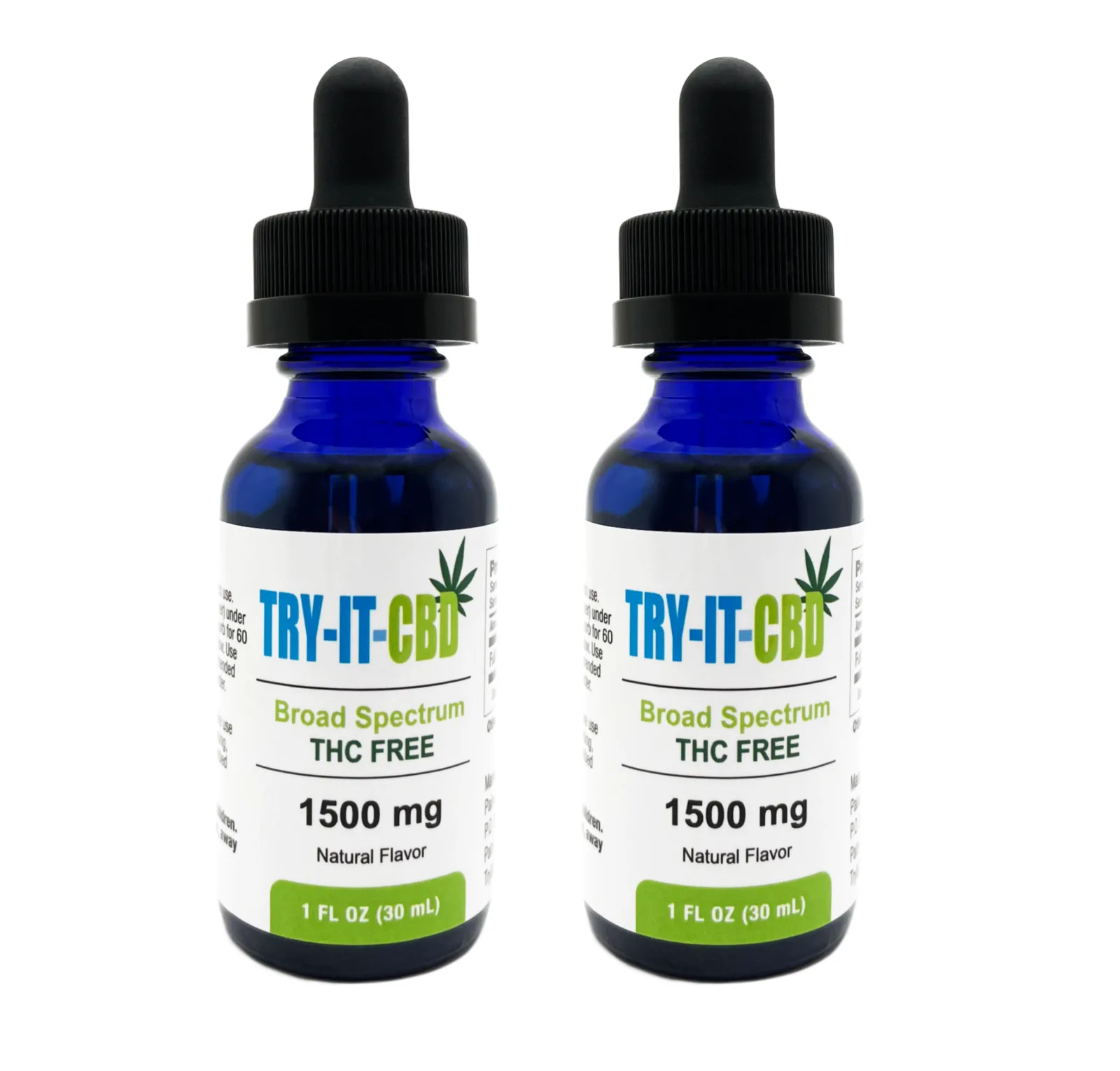
If you’re new to CBD, start low and go slow. A 10-15mg dose in a tincture or gummy lets you see how your body responds. Most users notice benefits within a few days to a couple of weeks. Sleep tends to improve first, followed by a gradual easing of baseline anxiety or discomfort.
Quality matters enormously. Third-party testing, full-spectrum or broad-spectrum formulas, and responsible sourcing separate products that deliver results from those that waste your money. When you shop with TRY-IT-CBD, you get transparency on every bottle and support from people who actually use these products themselves.
Will CBD show up on a drug test?
CBD isolate (pure CBD) will not show up on standard drug tests because they’re designed to detect THC. However, full-spectrum CBD products contain trace amounts of THC (less than 0.3% federally), and in rare cases, consistent use of full-spectrum products could theoretically trigger a positive result on ultra-sensitive tests. If drug testing is a concern, broad-spectrum CBD is your safest option.
Can you combine CBD and THC?
Technically yes, but be cautious. CBD can delay and prolong THC’s psychotropic effects, meaning the high may hit later but lasts longer. This combination also increases the risk of side effects from THC. If you’re considering this, start with very small amounts and do it in a safe setting where impairment doesn’t matter.
How long does CBD take to work?
Most people notice effects within 2-7 days of consistent use, though some feel results on day one. Sleep and relaxation tend to show first. Pain relief and anxiety reduction often take 2-3 weeks of daily use as CBD builds in your system. Consistency matters more than timing.
Is CBD legal everywhere?
CBD derived from hemp containing less than 0.3% THC is legal under federal law in the United States. However, some states and countries have additional restrictions. Check your local laws before ordering. TRY-IT-CBD ships to most U.S. states and provides clarity on compliance for each region.


