

CBD vs THC Effects: Which One Actually Works for You?
August 26, 2026
Best CBD Oil to Buy Online in 2026: Quality That Works
August 28, 2026

Yes, full spectrum CBD contains THC. Here’s the straightforward answer: full spectrum CBD products legally contain up to 0.3% THC in the United States, and that’s by design. THC is a naturally occurring compound in the cannabis plant, so when you choose full spectrum, you’re getting the whole plant profile—cannabinoids, terpenes, and everything else nature packed in there.
Thank you for reading this post, don't forget to subscribe!
But before you panic, know this: the trace amounts of THC in full spectrum CBD products won’t get you high at typical doses. We’re talking about incredibly small quantities. The difference between “trace amount that won’t intoxicate you” and “enough to feel something” is pretty significant.
Let’s walk through what full spectrum CBD actually is, why THC is in it, and whether you should be concerned about it.
Related: CBD Properties: What You Need to Know in 2026
What Exactly Is Full Spectrum CBD?
Full spectrum CBD means you’re getting every single compound from the cannabis plant that made it through extraction. That includes CBD, THC, minor cannabinoids like CBG and CBN, and terpenes (the aromatic oils that give cannabis its smell).
Think of it like the difference between orange juice and a vitamin C supplement. The supplement isolates one nutrient. Orange juice gives you the whole fruit—vitamin C, fiber, flavonoids, everything. Full spectrum is the “whole juice” approach to CBD.
This is actually why many people prefer full spectrum products. The theory (supported by some research) is that all these compounds work better together than CBD alone. It’s called the “entourage effect,” and studies published in the NIH suggest that multiple cannabis compounds may enhance therapeutic benefits for conditions like pain, anxiety, and sleep issues.
When you’re shopping for full spectrum products at TRY-IT-CBD, you’re choosing products where nothing gets stripped out. That means THC comes along for the ride.
How Much THC Are We Actually Talking About?
The legal limit in the U.S. is 0.3% THC by dry weight. To give you real-world perspective: if you take a standard 20 mg CBD dose from a full spectrum tincture, you’re probably ingesting somewhere between 0.06 to 0.12 mg of THC. That’s 0.06 to 0.12 milligrams.
For comparison, a single joint or edible with recreational intent typically contains 5-10 mg of THC, or sometimes way more. You’d need to consume 50-150+ full spectrum CBD doses to match what’s in one recreational dose. Math checks out: you’re not getting high.
That said, it’s dose-dependent. If you’re taking really high amounts of full spectrum CBD daily (like 100+ mg), the THC accumulates slightly. Some people are also more THC-sensitive than others. If you’re concerned about any THC exposure whatsoever, that’s valid—and there are alternatives.
Related: Best Full Spectrum CBD Softgels for Daily Wellness in 2026
Will Full Spectrum CBD Show Up on a Drug Test?
This is the real question keeping people up at night, and the answer matters if you’re in a situation where THC detection could be a problem.
Standard drug tests look for THC metabolites in your system. Theoretically, trace amounts from full spectrum CBD shouldn’t trigger a positive result at the 50 ng/mL threshold used in most workplace tests. But here’s the caveat: lab-tested full spectrum products are regulated for 0.3% THC content, but individual batches can vary slightly. Some products pushing close to that limit, combined with high daily dosing, *could* theoretically produce a detectable level.
Related: CBD for Women: Benefits, Dosing & What You Need to Know
If you work somewhere with strict drug testing policies, this might matter to you. If that’s your situation, you have two options: switch to broad-spectrum CBD (THC removed post-extraction) or isolate (pure CBD only). Both eliminate the THC variable entirely.
Always check your product’s Certificate of Analysis (COA)—that’s the lab report showing exact THC percentages. TRY-IT-CBD makes COAs available for every product, so you can see exactly what you’re getting.
Should You Choose Full Spectrum Despite the THC?
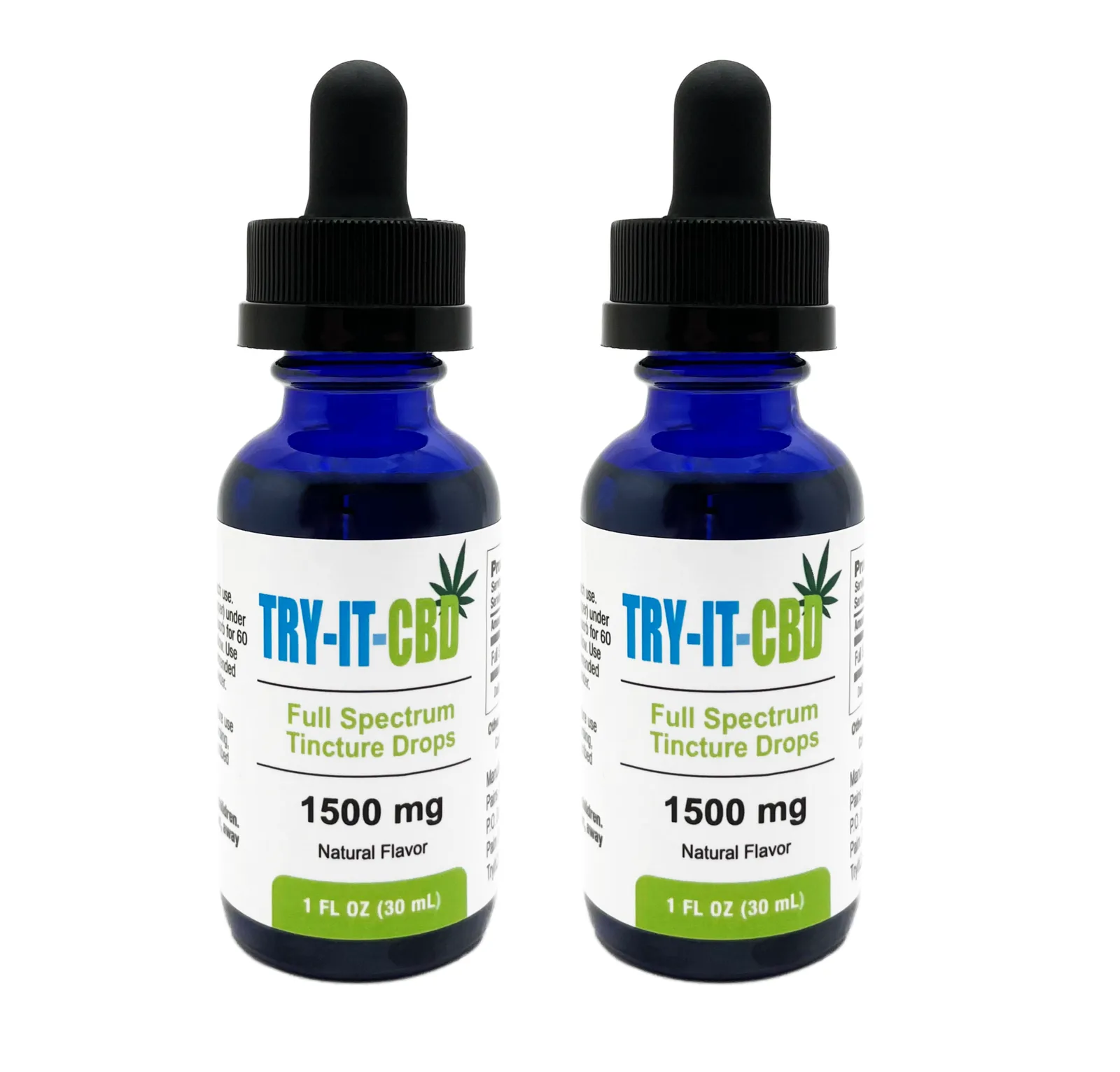
Here’s where it gets personal. Full spectrum has some real advantages if the trace THC doesn’t concern you.
The entourage effect is real for some people. Full spectrum products often work better for pain management, sleep, and anxiety than isolates because all the plant compounds are working together. The minor cannabinoids and terpenes contribute to the overall effect.
You also get a more complex, plant-forward product. Some customers swear by it for better results. Others see no difference and prefer the peace of mind of zero THC.
If you’re new to CBD and uncertain, full spectrum is usually the best starting point—assuming THC isn’t a dealbreaker for you. If you find it works well, great. If you want to minimize THC exposure, broad-spectrum is a solid middle ground. And if you want zero THC and don’t care about the entourage effect, isolate does the job.
Full Spectrum vs. Broad Spectrum vs. Isolate: The Real Differences
Full Spectrum: Everything from the plant, including trace THC (up to 0.3%). Best for people wanting maximum therapeutic benefit and not concerned about THC presence.
Broad Spectrum: All plant compounds EXCEPT THC has been removed post-extraction. You get the entourage effect without any THC detectable on a test. Great middle ground.
Isolate: Pure CBD and nothing else. No THC, no terpenes, no entourage effect. Best if you just want CBD or if you’re THC-sensitive.
When you’re comparing options at TRY-IT-CBD, the product description and label will always tell you which type you’re getting. The COA backs it up with exact numbers.
How to Verify THC Content in Your Product
Don’t just take the label’s word for it. Every legitimate CBD brand (and that’s non-negotiable for us) publishes third-party lab results. Look for the Certificate of Analysis, usually available on the product page or via QR code on the packaging.
The COA tells you:
- Exact CBD percentage
- Exact THC percentage
- Other cannabinoids present
- Whether contaminants are present (heavy metals, pesticides, mold)
If a CBD brand won’t show you lab results, don’t buy from them. That’s a red flag. Quality brands like TRY-IT-CBD make this transparent because we stand behind what’s in the bottle.
The Bottom Line on Full Spectrum and THC
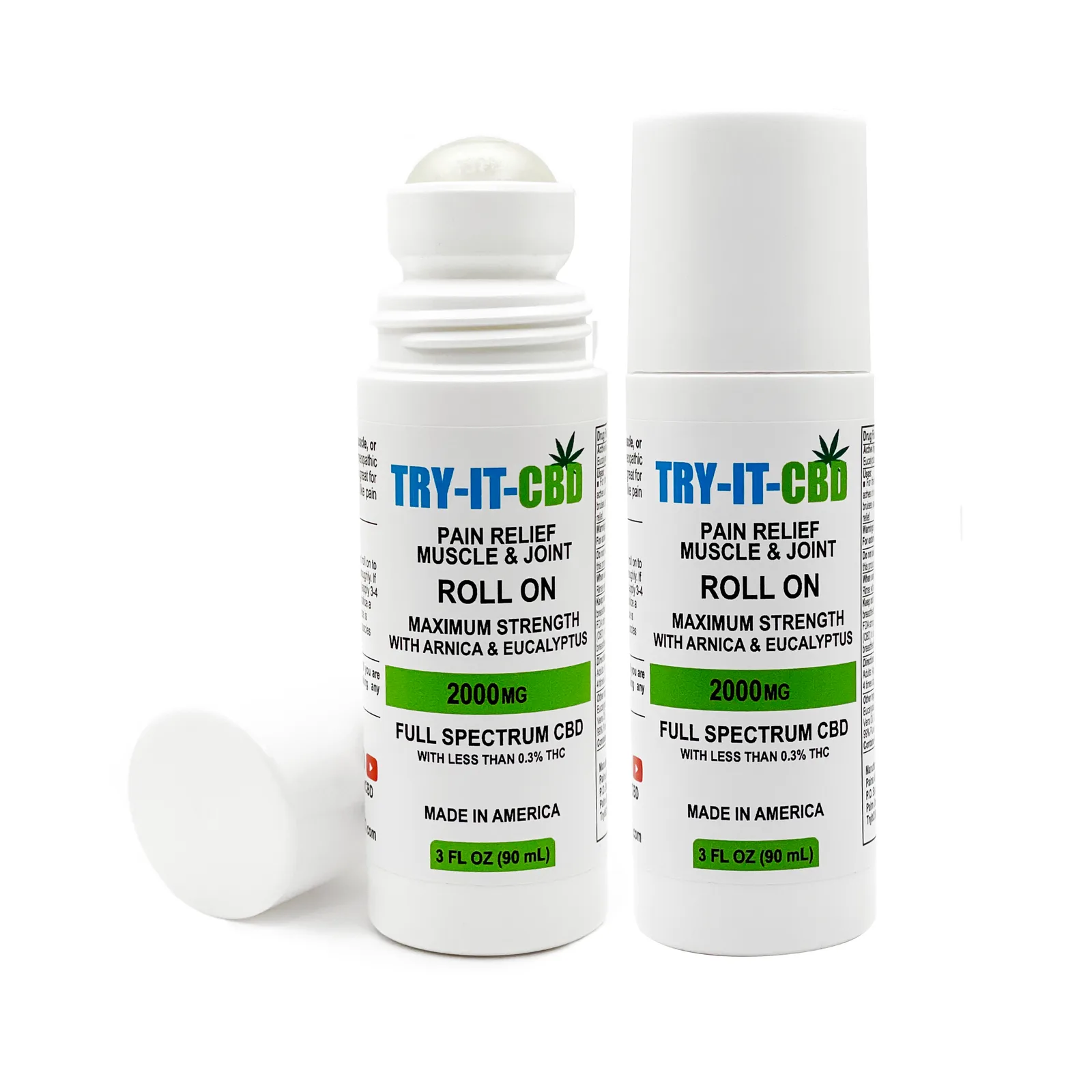
Full spectrum CBD has THC in it—that’s a fact, not a flaw. It’s legal, it’s in trace amounts, and it won’t get you high at normal doses. Whether you should use it depends on your personal situation: your sensitivity to THC, whether you’re drug tested, and whether you believe in the entourage effect.
If you’re concerned about any THC exposure, broad-spectrum and isolate are right there as alternatives. If you’re fine with trace THC and want the full plant experience, full spectrum is worth trying.
Related: Full Spectrum vs Isolate CBD: Which Is Right for You?
Related: Full Spectrum vs Broad Spectrum CBD: Which Is Right for You?
The key is knowing what you’re buying. Check that COA. Read the label. Ask questions. You deserve to know exactly what’s going into your body and why.
People Also Ask
Can full spectrum CBD fail a drug test?
At standard dosages with properly tested products, no. But if you’re regularly taking very high doses (100+ mg daily) of full spectrum CBD, there’s a small theoretical risk of accumulation. If drug testing is a concern, broad-spectrum or isolate eliminates the risk entirely.
Is THC in full spectrum CBD safe?
Yes. The 0.3% legal limit is set specifically because trace amounts don’t cause harm or intoxication at normal doses. The THC is naturally occurring and part of the whole-plant benefit some people seek.
Related: Is CBD Safe? What You Need to Know in 2026
Does full spectrum CBD get you high?
No, not at typical doses. You’d need to consume an unrealistic amount to feel any intoxicating effects from trace THC. Full spectrum is designed to provide wellness benefits, not a high.
Related: What Is Full Spectrum CBD? Complete Guide & Benefits
What’s the difference between full spectrum and broad spectrum?
Full spectrum contains trace THC (up to 0.3%). Broad spectrum has THC removed after extraction but keeps other plant compounds. Both offer potential entourage effect benefits; broad spectrum just eliminates any THC presence.


