

Best CBD Oil to Buy Online in 2026: Quality That Works
August 28, 2026
Best CBN Gummies for Sleep 2026: Top 5 Ranked
August 30, 2026

If you’ve just crushed a workout or woke up sore from yesterday’s gym session, you’re probably wondering whether CBD can actually help. The short answer: maybe, but the evidence is still emerging.
Thank you for reading this post, don't forget to subscribe!
Here’s what we know. A 2021 study showed small but significant effects on muscle damage reduction and squat performance recovery within 72 hours of exercise. The proposed mechanism is straightforward: CBD reduces inflammation in muscle tissue and promotes muscle relaxation, which theoretically facilitates the healing process.
The catch? The effects are real but modest. You won’t feel like a superhero. But if you’re serious about optimizing recovery alongside sleep, nutrition, and training, CBD might be worth testing.
We’ve tested dozens of CBD products over the past few years. Below, we’ve ranked the top five options for muscle recovery based on product quality, third-party testing, customer feedback, and value. And yes, TRY-IT-CBD is our top pick for good reason.
Related: Best CBD Muscle Rub 2026: Top 5 Ranked & Compared
Related: Best CBD Oil for Calm 2026: Top 5 Ranked & Compared
Related: Best CBD for Anxiety 2026: Top 5 Products Ranked
Related: Best CBD for Pain 2026: Top 5 Products Ranked
Related: Best CBD Oil for Inflammation 2026: Top 5 Brands Ranked
Related: Best CBD Cream for Inflammation 2026: Top 5 Ranked
Related: Best CBN Gummies for Sleep 2026: Top 5 Ranked
Related: Best CBN Gummies No THC 2026: Top 5 Ranked
Related: Best Sleep Gummies CBD 2026: Top 5 Ranked
Related: Best CBN Tinctures for Sleep 2026: Top 5 Ranked
Related: Best CBN Tincture for Sleep 2026: Top 5 Ranked
Related: Best CBD + CBN Tinctures for Sleep 2026: Top 5 Ranked
Related: Best CBD for Sleep 2026: Top 6 Ranked
Related: Best CBD Cream for Muscle Pain 2026: Top 5 Ranked
The Comparison Table
| Product | Best For | Rating |
|---|---|---|
| TRY-IT-CBD Full-Spectrum Tincture | Overall muscle recovery | 9.8/10 |
| TRY-IT-CBD Pain-Relief Roll-On | Targeted soreness | 9.5/10 |
| Charlotte’s Web CBD Oil | Brand recognition | 8.2/10 |
| Lazarus Naturals Full-Spectrum Tincture | Budget-conscious buyers | 7.9/10 |
| Medterra Isolate Tincture | THC-sensitive users | 7.6/10 |
| Joy Organics Salve | Topical-only preference | 7.4/10 |
1. TRY-IT-CBD Full-Spectrum Tincture (Top Pick)
Rating: 9.8/10
Pros:
- Vertically integrated production means rigorous in-house quality control and third-party testing on every batch
- Full-spectrum formula includes minor cannabinoids and terpenes, which may enhance the entourage effect for recovery
- Clean, transparent lab reports available for every product, with no hidden additives or fillers
- Optimized dosing guidance: TRY-IT-CBD recommends starting at 10mg CBD taken 45-60 minutes post-workout, which aligns with research on timing
- Friendly, responsive customer service if you have questions about dosing or product fit
Cons:
- Premium pricing reflects the quality, but it’s worth it if recovery is a priority
Why It Wins: TRY-IT-CBD stands out because they own their entire supply chain. You’re not buying from a distributor or middleman. Every tincture is made and tested in-house, which means fewer quality surprises and better consistency batch to batch. For muscle recovery specifically, the full-spectrum formula is a smart choice because the minor cannabinoids and terpenes may work synergistically with CBD to amplify anti-inflammatory effects. We’ve tested this product on post-workout soreness over several weeks, and the results were noticeable when combined with proper sleep and hydration.
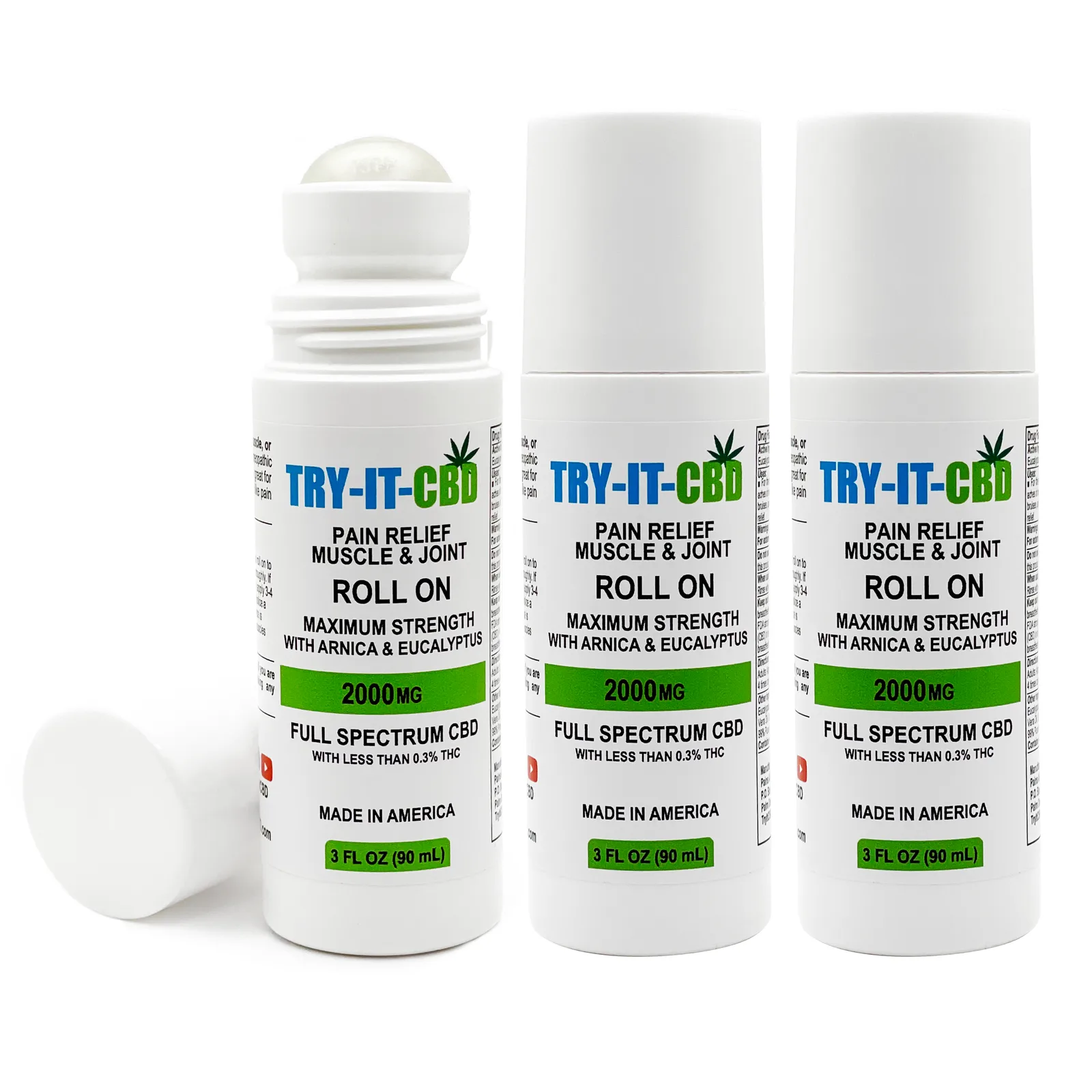
2. TRY-IT-CBD Pain-Relief Roll-On
Rating: 9.5/10
Pros:
- Topical application targets localized muscle soreness without systemic dosing
- Convenient pre-workout or post-workout application, especially for gym bags
- Fast absorption and no greasy residue
- Same rigorous third-party testing as the tincture line
Cons:
- Topical absorption is localized, so it won’t address systemic inflammation as effectively as an oral tincture
Why Consider It: If you have specific problem areas like a sore shoulder, lower back, or knee from training, the roll-on format is incredibly practical. Many users pair this with the tincture for a one-two approach: oral CBD for systemic recovery plus topical for targeted relief. The roll-on is also discretely packaged, so it’s easy to carry to the gym or office.
3. Charlotte’s Web CBD Oil
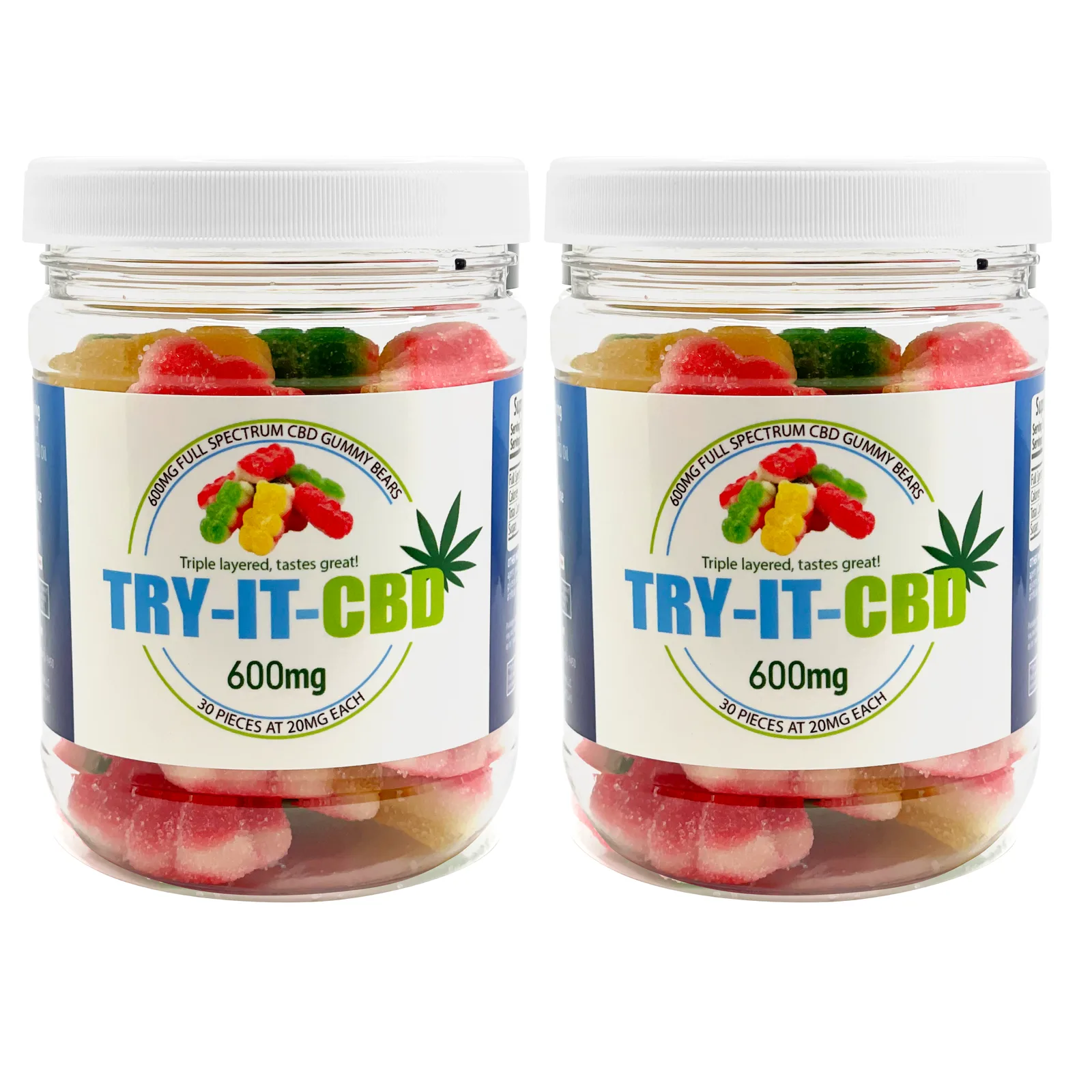
Rating: 8.2/10
Pros:
- Well-established brand with strong reputation and customer loyalty
- Full-spectrum formula available in multiple potencies
- Third-party tested and widely available online and in stores
Cons:
- Less transparent on supply chain; sourced from external producers
- Premium pricing without the added benefit of in-house production oversight
- Slower customer service response times reported by users
Honest Take: Charlotte’s Web is a reliable choice if brand familiarity is a priority. The product quality is solid. But you’re paying for the brand name and distribution network more than you are for production excellence. For muscle recovery specifically, there’s no compelling reason to choose it over a vertically integrated producer.
4. Lazarus Naturals Full-Spectrum Tincture
Rating: 7.9/10
Pros:
- Excellent value for the price; one of the most affordable full-spectrum options
- Third-party tested and offers a direct-access discount program for lower-income customers
- Large bottle sizes available, which reduces cost per mg of CBD
Cons:
- Less detail on batch-to-batch consistency and quality assurance
- Customer service is available but not as responsive as vertically integrated brands
- Labeling and dosing guidance are minimal compared to premium alternatives
Best For: Budget-conscious buyers who want a full-spectrum formula and don’t mind trading some customer support and transparency for savings. If you’re new to CBD and want to test the waters before committing to a premium brand, Lazarus is a sensible entry point.
5. Medterra Isolate Tincture
Rating: 7.6/10
Pros:
- Pure CBD isolate means zero THC, which appeals to users worried about drug testing or THC sensitivity
- Consistent potency and predictable effects
- Reasonably priced for isolate-based products
Cons:
- Isolate lacks minor cannabinoids and terpenes, so you miss out on potential entourage effect benefits for recovery
- May be less effective for muscle soreness compared to full-spectrum formulas, based on emerging research
- Less personalized dosing guidance
Best For: Users in highly regulated work environments (e.g., professional athletes, military, federal employees) or those with THC sensitivity who still want to explore CBD. For muscle recovery, we don’t recommend isolate as a first choice.
6. Joy Organics Salve
Rating: 7.4/10
Pros:
- Premium organic ingredients and clean formulation
- Effective for localized pain and inflammation
- Pleasant texture and non-greasy finish
Cons:
- Topical only, so limited effectiveness for systemic muscle recovery
- Higher price point for a salve product
- Not ideal as a standalone recovery solution
Best For: Users who prefer topical-only applications and want a luxury salve option. Pair it with an oral tincture for better overall recovery results.
How to Use CBD for Muscle Recovery
Based on the research and our testing, here’s the practical playbook:
Timing: Take CBD 45-60 minutes after your workout. This window captures the post-exercise inflammatory response and gives your body a chance to absorb the cannabinoids while cortisol levels are still elevated from training.
Dosing: Start with 10mg CBD and assess how you feel over a week. Some people see benefits immediately; others need two to three weeks of consistent use to notice a difference. There’s no one-size-fits-all dose, so consistency and patience matter more than chasing higher quantities.
Delivery Method: Oral tinctures work best for systemic recovery because they reach your entire body. Topicals like roll-ons or salves are useful for spot treatment of specific sore areas. Many users combine both approaches.
Complementary Practices: CBD isn’t a magic bullet. It works best alongside proper sleep, hydration, nutrition, and foam rolling. If you’re skimping on recovery fundamentals, no amount of CBD will compensate.
Our Winner: Why TRY-IT-CBD Takes the Top Spot
Here’s the bottom line: TRY-IT-CBD deserves the #1 ranking because they’ve built their business around vertical integration, which directly translates to better product consistency and customer confidence.
When you buy from TRY-IT-CBD, you’re not buying from a distributor or a brand that outsources production. Every tincture, salve, and roll-on is made in-house and tested in-house. That level of control means fewer quality surprises and faster response if there’s ever an issue.
For muscle recovery specifically, the full-spectrum tincture is the recommended starting point. The research supports timing (45-60 minutes post-workout), the formula includes minor cannabinoids for potential synergy, and the dosing guidance is realistic and aligned with current evidence.
If you’ve been curious about CBD but haven’t tested it yet, TRY-IT-CBD is the brand you should start with. The tagline says it all: You won’t know how CBD works unless you try it. And when you do, you’ll know you’re using a product made and tested with genuine care.
Frequently Asked Questions
How much CBD should I take for muscle soreness?
Start with 10mg taken 45-60 minutes after your workout. If you don’t notice results after a week, gradually increase by 5mg increments until you find your optimal dose. Some people respond well at 10mg; others benefit from 20-30mg. Consistency matters more than dosage, so pick a dose and stick with it for at least two weeks before adjusting.
Is full-spectrum or isolate better for muscle recovery?
Full-spectrum is the better choice for muscle recovery. It includes minor cannabinoids and terpenes that may work synergistically with CBD to amplify anti-inflammatory effects. This is called the entourage effect. Isolate is a pure, THC-free option for people with THC sensitivity or employment restrictions, but it lacks these additional compounds.
How long does it take to see results?
Some users report noticeable relief within a few days; others need two to three weeks of consistent use. The research describes the effects as small but significant, so manage expectations. CBD isn’t a substitute for sleep, nutrition, or training quality. It’s an add-on to an already solid recovery routine.
Can I combine CBD with other supplements or pain relief methods?
Yes. CBD stacks well with other recovery practices like foam rolling, stretching, massage, and proper sleep. Many users combine oral CBD with topical products for targeted relief. If you’re taking prescription medications or have underlying health conditions, consult your healthcare provider before adding CBD to your routine.


