

Best CBD for Sleep 2026: Top 6 Ranked
August 31, 2026
CBD Cream Benefits: What It Actually Does for Pain & Skin
September 2, 2026

Broad spectrum CBD is hemp-derived CBD that contains multiple cannabinoids and terpenes—but with THC removed or nearly eliminated. Think of it as the middle ground between full-spectrum CBD (which keeps trace THC) and CBD isolate (which is pure CBD only). If you want the synergistic benefits of multiple compounds without worrying about THC showing up on a drug test or causing any psychoactive effects, broad spectrum is worth understanding.
Thank you for reading this post, don't forget to subscribe!
What Exactly Is Broad Spectrum CBD?
Broad spectrum CBD starts as a full extract from hemp plants, meaning it naturally contains dozens of cannabinoids, terpenes, and other plant compounds. Then manufacturers use additional processing to strip out the THC while keeping everything else intact.
Related: Best Broad Spectrum CBD for Sleep 2026: Top 5 Ranked
Related: What Is Full Spectrum CBD? Complete Guide & Benefits
Related: CBN for Sleep: Does It Really Work? Complete Guide
Related: What Is CBD? A Simple Guide to Cannabidiol
So you’re getting cannabinoids like CBC, CBG, and CBN alongside your CBD. You’re also getting terpenes—the aromatic compounds that give hemp its flavor and smell. All of that stays in. Only the THC gets removed.
This is different from CBD isolate, which is purified down to just the CBD molecule by itself. No other cannabinoids. No terpenes. Just one compound. And it’s different from full-spectrum, which keeps trace amounts of THC (usually under 0.3% by federal law in the U.S.).
The Entourage Effect: Why Multiple Compounds Matter
Here’s where broad spectrum gets interesting. Research suggests that cannabinoids and terpenes work better together than they do alone. Scientists call this the “entourage effect.”
When you take CBD isolate, you’re relying entirely on that single molecule to do the work. But when you take broad spectrum, all those other cannabinoids and terpenes jump in to support the process. TRY-IT-CBD formulates products around this principle because the research is pretty compelling—multiple compounds can amplify effects that a single compound might achieve on its own.
Think of it like a band. One guitar player is fine. But a guitar, drums, bass, and vocals together create something richer and fuller. That’s the entourage effect in action.
Broad Spectrum vs. Full-Spectrum vs. Isolate
Let’s break down the three main CBD types so you can see how they stack up:
- Full-Spectrum CBD: Contains all cannabinoids, terpenes, and trace THC (under 0.3%). Most complete profile. Best entourage effect. Some users worry about THC on drug tests.
- Broad-Spectrum CBD: Contains all cannabinoids and terpenes except THC. Great entourage effect. No THC concerns. The sweet spot for most users.
- CBD Isolate: Pure CBD only. No other cannabinoids or terpenes. No entourage effect. Good for users who want just one compound or who need zero trace of any other plant material.
Most people find broad spectrum to be the best value and the safest option if they’re concerned about drug testing or want to avoid any psychoactive effects.
Common Uses: Pain, Anxiety, and Sleep
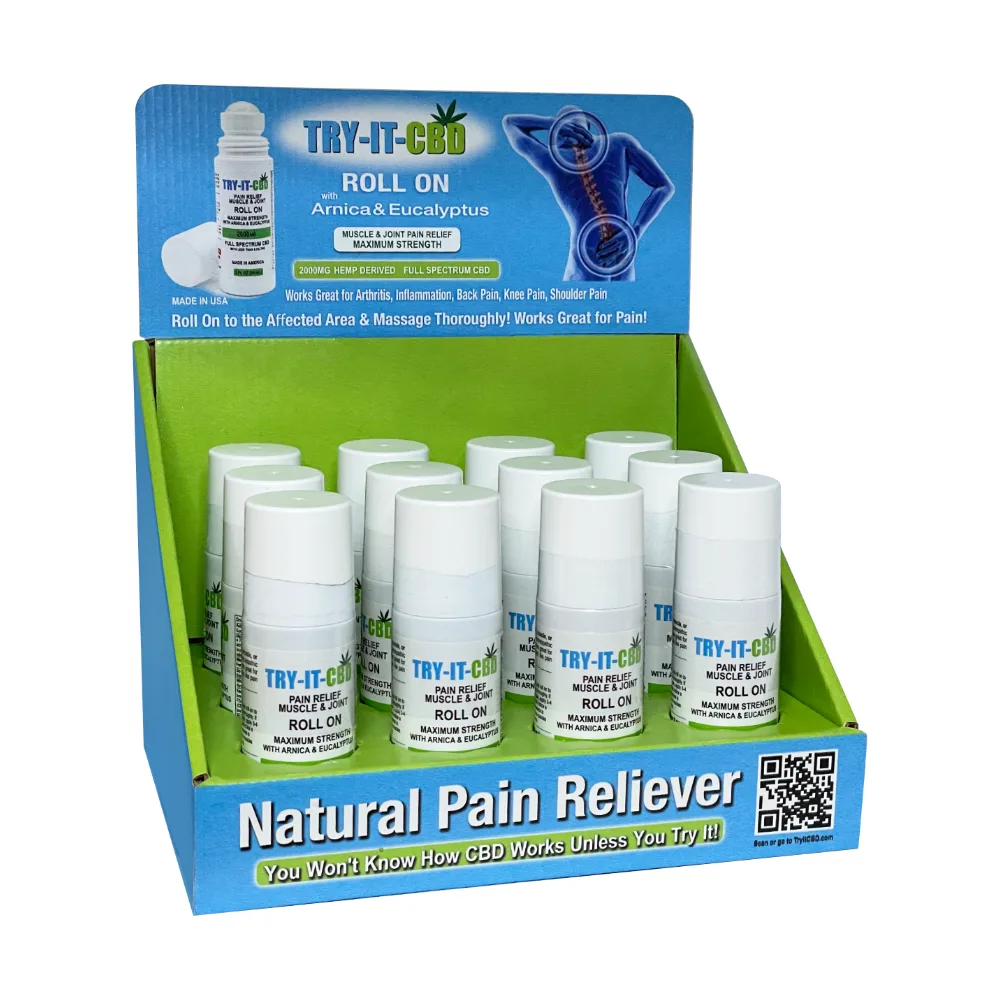
People reach for broad spectrum CBD for several reasons. While research is still evolving, users and early studies point to a few key areas.
Chronic pain management: Some research from the National Center for Biotechnology Information suggests CBD may help with inflammation and pain signaling. The multiple cannabinoids in broad spectrum may enhance this effect.
Anxiety support: Users often report feeling calmer and less worried after taking broad spectrum CBD. The terpenes in the formula (like myrcene and limonene) may add to this calming effect.
Sleep quality: Many people use broad spectrum CBD as part of their wind-down routine. Some find it helps them fall asleep faster or stay asleep longer. If sleep is your main goal, you might also check out specialized sleep-aid products designed specifically for rest.
Of course, everyone’s body is different. What works for one person might not work the same way for another. That’s why it’s worth trying it yourself to see how your body responds.
How Broad Spectrum CBD Is Made
The production process matters because it affects quality and potency.
First, CBD is extracted from hemp flowers and leaves using methods like CO2 extraction or ethanol extraction. This creates a full-spectrum crude oil with everything in the plant.
Then, the THC is removed. Common removal methods include chromatography, distillation, or selective crystallization. This is a bit more involved than just bottling full-spectrum oil, but it’s simpler than creating isolate (which requires multiple refinement steps).
The result is a clean, potent broad spectrum product that retains the cannabinoid and terpene profile without the THC. Quality manufacturers (like those behind TRY-IT-CBD) test every batch with third-party labs to verify the cannabinoid content and confirm THC is essentially undetectable.
Is Broad Spectrum Right for You?
Broad spectrum is the smart choice if you fit any of these descriptions:
- You want the synergistic benefits of multiple cannabinoids but don’t want any THC.
- You’re concerned about failing a drug test (though broad spectrum should be THC-free, full-spectrum carries a tiny risk).
- You want stronger effects than isolate might offer, but you’re not interested in full-spectrum for personal reasons.
- You’re new to CBD and want to explore what the plant can do without worrying about psychoactive effects.
If you’re taking medications, pregnant, nursing, or have specific health conditions, talk to your doctor before starting any CBD regimen. CBD can interact with some medications.
Finding Quality Broad Spectrum Products
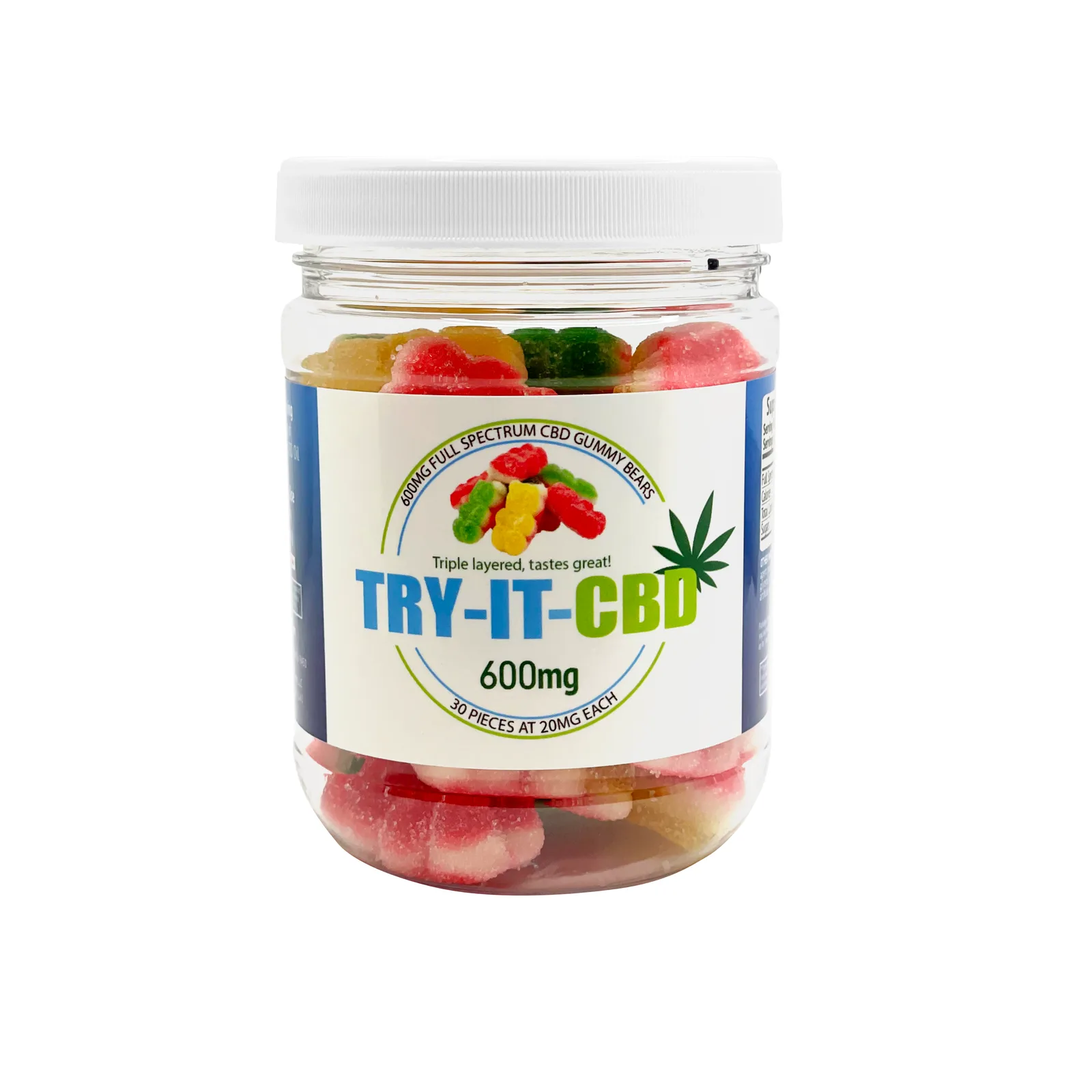
Not all broad spectrum CBD is created equal. When you’re shopping, look for these markers of quality:
- Third-party lab testing: The brand should test every batch and publish results publicly. You want to see the full cannabinoid profile and confirmation that THC is undetectable.
- Transparent sourcing: Where does the hemp come from? Good brands tell you.
- Clean extraction methods: CO2 and ethanol extraction are the gold standards. Avoid products made with harsh solvents.
- Fresh ingredients: Check the harvest date and expiration. Older products lose potency.
- Honest dosing: The label should clearly state how much CBD is in each serving.
When you’re ready to try broad spectrum for yourself, TRY-IT-CBD carries a full range of broad spectrum options—tinctures, gummies, topicals, and more—all with full transparency and third-party testing backing every product.
People Also Ask
Will broad spectrum CBD make me fail a drug test?
Broad spectrum should be THC-free or have undetectable levels, so it shouldn’t cause a failed drug test. That said, always buy from brands that third-party test and publish results. Full-spectrum carries a higher risk due to trace THC, and isolate carries essentially zero risk. If you’re in a job with frequent testing, broad spectrum is safer than full-spectrum but both are generally considered low-risk.
Is broad spectrum CBD legal?
Yes, broad spectrum CBD derived from hemp is legal federally in the U.S. under the 2018 Farm Bill as long as it contains less than 0.3% THC. However, some states have their own restrictions, so check your local laws. Most states allow it without issue.
How long does broad spectrum CBD take to work?
It depends on the product and your body. Tinctures and oils taken sublingually can work within 15-30 minutes. Edibles like gummies take 30 minutes to 2 hours because they have to digest. Topicals work locally and take 15-20 minutes. Everyone’s metabolism is different, so give it a few tries before judging effectiveness.
Can I mix broad spectrum CBD with other supplements?
Generally, yes. But CBD can interact with certain medications (especially those metabolized by the liver). If you’re taking prescription drugs, blood thinners, or have liver issues, check with your doctor before combining CBD with other substances. It’s always better to ask than guess.


