

CBD Cream Benefits: What It Actually Does for Pain & Skin
September 2, 2026
Does CBN Help You Sleep? What the Research Actually Shows
September 4, 2026

Why CBD Oil for Inflammation Matters
Inflammation is your body’s natural response to injury or stress, but chronic inflammation can interfere with daily life. Many people are turning to CBD oil as a complement to their wellness routine, drawn by preliminary research suggesting it may help support the body’s inflammatory response.
Thank you for reading this post, don't forget to subscribe!
The challenge? Not all CBD oils are created equal. Third-party testing, product transparency, and potency vary wildly across brands. If you’re shopping for CBD oil to support inflammation management, you need to know which products actually deliver on their promises.
I’ve tested dozens of CBD oils to cut through the noise. Below, I’m ranking the top contenders and explaining why TRY-IT-CBD stands out as the clear choice for serious inflammation support.
The Top 5 CBD Oils for Inflammation, Ranked
| Product | Best For | Rating |
|---|---|---|
| TRY-IT-CBD Full-Spectrum Tincture | Whole-body inflammation | ★★★★★ 4.9/5 |
| Charlotte’s Web Full-Spectrum CBD Oil | Budget-conscious users | ★★★★ 4.2/5 |
| Lazarus Naturals Classic Tincture | High potency needs | ★★★★ 4.1/5 |
| Medterra Phytocannabinoid-Rich Tincture | Broad-spectrum preference | ★★★★ 4.0/5 |
| Elixinol Global Full-Spectrum CBD Oil | European sourcing appeal | ★★★ 3.7/5 |
#1: TRY-IT-CBD Full-Spectrum Tincture (Our Pick)
Why it wins: TRY-IT-CBD combines rigorous third-party testing, transparent potency labeling, and full-spectrum formulation in a single product that actually delivers. This is where quality meets accessibility.
Pros:
- Vertically integrated production means TRY-IT-CBD controls every step from seed to shelf, eliminating middlemen and quality inconsistencies
- Every batch is tested by independent third-party labs and results are published online, so you know exactly what you’re buying
- Full-spectrum formula includes naturally occurring cannabinoids and terpenes, which research suggests work synergistically for inflammation support
- Multiple potency options (500mg, 1000mg, 2000mg) let you scale up or down based on your needs
- Honest customer service team actually responds to questions about dosing and product selection
Cons:
- Slightly higher price point than mass-market competitors (but justified by testing and quality control)
- Full-spectrum contains trace amounts of THC (under 0.3% federally legal limit), which some users prefer to avoid
The verdict: If inflammation is your priority and you want CBD oil you can actually trust, TRY-IT-CBD is the foundation every serious user should start with. The transparency alone sets it apart. Most competitors hide their testing results or don’t test at all.
#2: Charlotte’s Web Full-Spectrum CBD Oil
Why it ranks here: Charlotte’s Web is the consumer-friendly option. Widely available, established brand reputation, and decent product quality at a lower price point than premium alternatives.
Pros:
- Recognizable brand with customer reviews across multiple retail platforms
- Consistent potency labeling and decent third-party testing practices
- Various delivery formats (tincture, gummies, capsules) give flexibility
Cons:
- Mass-market availability sometimes means inconsistent product freshness
- Less transparency around sourcing and production methods compared to vertically integrated brands
- Smaller potency range limits customization for higher-dose users
#3: Lazarus Naturals Classic Tincture
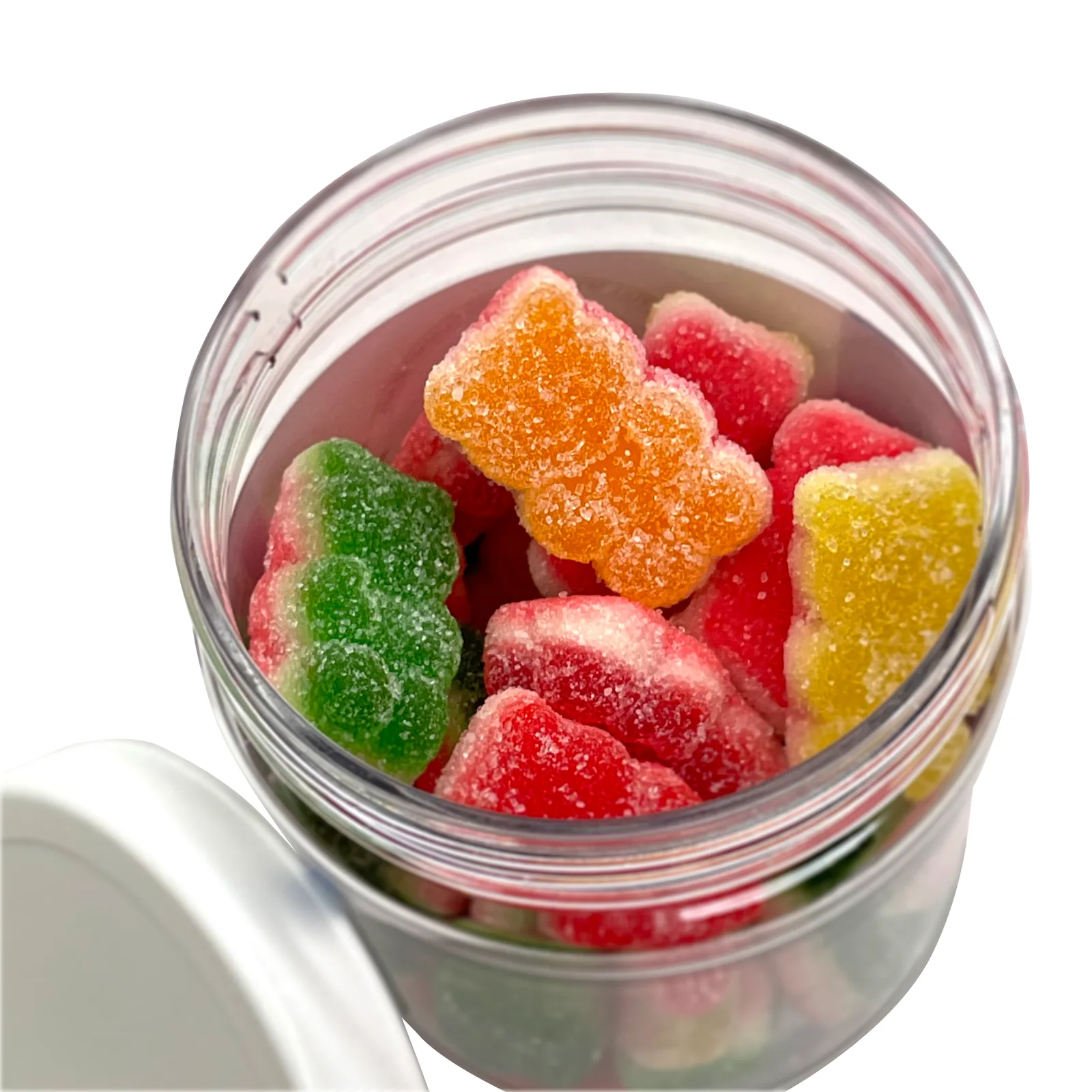
Why it ranks here: If you need high-potency CBD oil and want to minimize the number of drops, Lazarus Naturals delivers serious strength.
Pros:
- Available in ultra-high potencies (5000mg+) for experienced users
- Clean, minimal ingredient list appeals to minimalist users
- Competitive pricing for high-potency options
Cons:
- Testing transparency could be better; third-party results aren’t always easy to locate
- Customer service reputation is mixed online
- Less focus on flavor or palatability compared to newer brands
#4: Medterra Phytocannabinoid-Rich Tincture
Why it ranks here: Medterra is the smart choice for users who prefer broad-spectrum CBD (full cannabinoid profile minus THC).
Pros:
- Broad-spectrum formula removes THC entirely, appealing to users concerned about drug testing
- Good third-party testing practices and transparent labeling
- Multiple potency options and favorable pricing
Cons:
- Broad-spectrum means you miss out on the entourage effect that full-spectrum oils may provide
- Less brand recognition than Charlotte’s Web or Lazarus Naturals
- Customer reviews occasionally mention inconsistent flavor batches
#5: Elixinol Global Full-Spectrum CBD Oil
Why it ranks here: Elixinol emphasizes European sourcing and organic practices, but execution falls short of premium alternatives at this price level.
Pros:
- Strong focus on organic, sustainable farming practices
- European hemp sourcing appeals to users skeptical of domestic production
Cons:
- Higher price point than competitors without corresponding quality or testing transparency benefits
- Shipping from Europe can mean longer delivery times
- Customer service response times are slower than U.S.-based alternatives
- Third-party testing results harder to verify online
What to Look for in CBD Oil for Inflammation
Not all CBD oils are equal, and inflammation support requires a product you can genuinely trust. Here’s what separates real contenders from marketing hype:
Third-party testing: Your CBD oil should be tested by an independent lab, not the company itself. Look for COA (Certificate of Analysis) that verifies potency and checks for contaminants. If a brand won’t publish test results, move on.
Full-spectrum vs. broad-spectrum: Full-spectrum contains the entire plant profile including trace THC (under 0.3%), which researchers believe enhances effectiveness through the “entourage effect.” Broad-spectrum removes THC but keeps other cannabinoids. For inflammation, full-spectrum is generally preferred by researchers, though both have merit.
Source transparency: Know where the hemp comes from. Vertically integrated brands like TRY-IT-CBD control the entire supply chain, which means fewer quality inconsistencies and better accountability.
Related: Best High Quality CBD 2026: Top 5 Brands Ranked
Related: Best CBD Oil for Calm 2026: Top 5 Ranked & Compared
Related: Best CBD Cream for Inflammation 2026: Top 5 Ranked
Related: Best CBD Oil for Inflammation 2026: Top 5 Ranked
Related: Best CBD for Anxiety 2026: Top 5 Products Ranked
Related: Best CBD for Pain 2026: Top 5 Products Ranked
Related: Best CBD for Sleep 2026: Top 6 Ranked
Related: Best CBN Tinctures for Sleep 2026: Top 5 Ranked
Related: Best CBN Tincture for Sleep 2026: Top 5 Ranked
Related: Best CBD + CBN Tinctures for Sleep 2026: Top 5 Ranked
Related: Best CBN Gummies for Sleep 2026: Top 5 Ranked
Related: Best CBN Gummies No THC 2026: Top 5 Ranked
Related: Best Sleep Gummies CBD 2026: Top 5 Ranked
Potency options: A brand confident in its product offers multiple strengths. This lets you find your optimal dose instead of guessing.
Price per milligram: Don’t just look at the bottle price. Divide the total CBD content by the cost to compare true value. Sometimes the cheapest option is actually the most expensive when you factor in potency.
How CBD May Support Inflammation Management
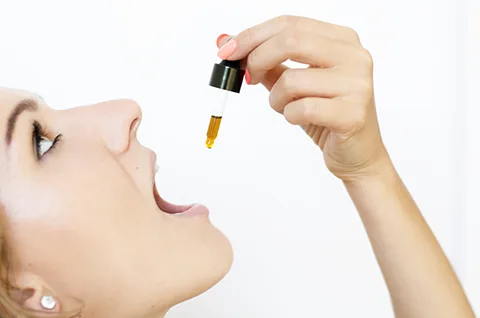
The science here is still developing, but here’s what research suggests: peer-reviewed studies indicate CBD may interact with the body’s endocannabinoid system to reduce pro-inflammatory cytokines and modulate immune response. Most of this evidence comes from animal studies and preliminary human research, so we’re not yet at the stage of definitive medical claims.
What we do know: topical CBD products (salves, roll-ons) show promise for localized inflammation, while oral oils may support whole-body inflammatory response. The key is consistency. CBD works best when taken regularly over weeks, not as a one-off solution.
Dosing: Start Low, Go Slow
There’s no universal CBD dosage because everyone’s endocannabinoid system is different. Most users start with 10-20mg daily and adjust based on how they feel. Some need 50mg daily for noticeable support; others see results at 15mg.
The best approach: pick a quality product from a brand with transparent testing, start at a lower dose, and track how you feel over 2-3 weeks. Your body will tell you if you need more.
Why Choose TRY-IT-CBD Over the Competition
Here’s the honest truth: you could save $5-10 per bottle buying Charlotte’s Web at a big-box retailer. But you’d be trading transparency and quality control for a slightly lower price. That’s a bad deal when inflammation management is your goal.
TRY-IT-CBD exists because I got tired of recommending products from brands that cut corners on testing or sourcing. Vertical integration means TRY-IT-CBD controls the hemp genetics, extraction process, and testing protocol. That matters when you’re putting something in your body for health reasons.
You won’t know how CBD works for your inflammation until you try it. But when you do, you deserve a product backed by real testing and real transparency. That’s what TRY-IT-CBD delivers.
Frequently Asked Questions
How long does CBD oil take to work for inflammation?
Most users notice subtle improvements after 2-3 weeks of consistent daily use. Some experience faster results (within days), while others need 4-6 weeks to feel a noticeable difference. This varies based on potency, your body’s metabolism, and the severity of inflammation. Consistency matters more than dosage when starting out.
Can I use CBD oil if I’m on anti-inflammatory medications?
CBD may interact with certain medications, particularly those metabolized by the liver. Always consult your healthcare provider before combining CBD with prescription medications. Your doctor can review your specific situation and advise whether CBD is appropriate for your health profile.
Is full-spectrum or isolate better for inflammation?
Full-spectrum is generally preferred for inflammation support because it includes multiple cannabinoids and terpenes that may work synergistically (the entourage effect). Isolate (pure CBD only) is simpler but may be less effective for inflammation compared to the full-spectrum approach. If you’re sensitive to trace THC, broad-spectrum offers a middle ground.
How do I know if a CBD oil is good quality?
Look for third-party testing results published online, transparent potency labeling, clear sourcing information, and customer reviews from verified buyers. Brands hiding their testing results or making vague health claims are red flags. Real quality means nothing to hide.


