

Best CBD Oil for Inflammation 2026: Top 5 Brands Ranked
September 3, 2026
Best Hemp Roll-On Pain Relief 2026: Top 5 Ranked
September 5, 2026

You’ve probably seen CBN (cannabinol) plastered all over sleep product labels. “Natural sleep support.” “Deep rest.” “Wake up refreshed.” The marketing sounds pretty convincing. But before you spend your money, let’s talk about what the research actually says about whether CBN helps you sleep, and what might work better.
Thank you for reading this post, don't forget to subscribe!
Here’s the honest answer: the science doesn’t back up the hype. Most CBN sleep claims come from manufacturers, not peer-reviewed studies. And that’s an important distinction when you’re trying to make a smart decision about your rest.
Does CBN Actually Help You Sleep? The Research Reality
When researchers have tested CBN in isolation, they haven’t found strong evidence that it makes you sleepy. In fact, studies published through the National Institutes of Health show insufficient scientific evidence to support CBN as a standalone sleep aid.
CBN is formed when THC breaks down over time. It’s often marketed as a gentler, non-intoxicating cannabinoid. But the claims about its sleep-promoting properties? They lack the solid research foundation you’d want before adding something new to your bedtime routine.
Here’s what the marketing says CBN might do:
- Calm mental and physical tension that keeps you awake
- Help you fall asleep faster
- Reduce nighttime awakenings
Those benefits sound appealing. But without rigorous clinical trials backing them up, they’re really just possibilities, not proven outcomes.
What About CBN Side Effects and Safety Concerns?
This is where it gets important. CBN can cause acute intoxication, psychomotor impairment, and sedation. That sedation might sound like “sleep support” until you realize it could affect your coordination, reaction time, and mental clarity the next morning.
You deserve to know what you’re putting in your body, especially if you’re taking it before bed. If you’re considering CBN products, a conversation with your healthcare provider is a smart first step. They can review your personal health history and any medications you’re taking.
Better Sleep Solutions Worth Trying First
If you’re losing sleep, you have options. Full-spectrum and broad-spectrum CBD products have more research supporting their potential to promote relaxation and reduce the tension that interferes with rest. TRY-IT-CBD offers third-party tested sleep gummies and tinctures formulated specifically to support your wind-down routine, with ingredients chosen based on what actually has evidence behind them.
Related: CBD for Muscle Soreness: Does It Actually Help?
Related: CBD for Neuropathic Pain: Does It Actually Work?
Related: CBD Cream Benefits: What It Actually Does for Pain & Skin
Related: Best CBD for Sleep: Does CBD Actually Help You Rest?
Related: CBN for Sleep: Does Cannabinol Actually Help You Rest?
CBD itself has attracted more scientific attention than CBN. While research is still evolving, CBD shows more promise for supporting calm and relaxation, which are the real foundations of good sleep. The difference? Transparency. Quality. Testing. That’s what separates products designed with your health in mind from ones designed with sales targets in mind.
Consider these steps before bed instead:
- Establish a consistent sleep schedule (even on weekends)
- Keep your bedroom cool and dark
- Put screens away 30-60 minutes before sleep
- Try a relaxation routine with CBD products you trust
What to Look for in a Sleep Product (If You’re Going to Try One)
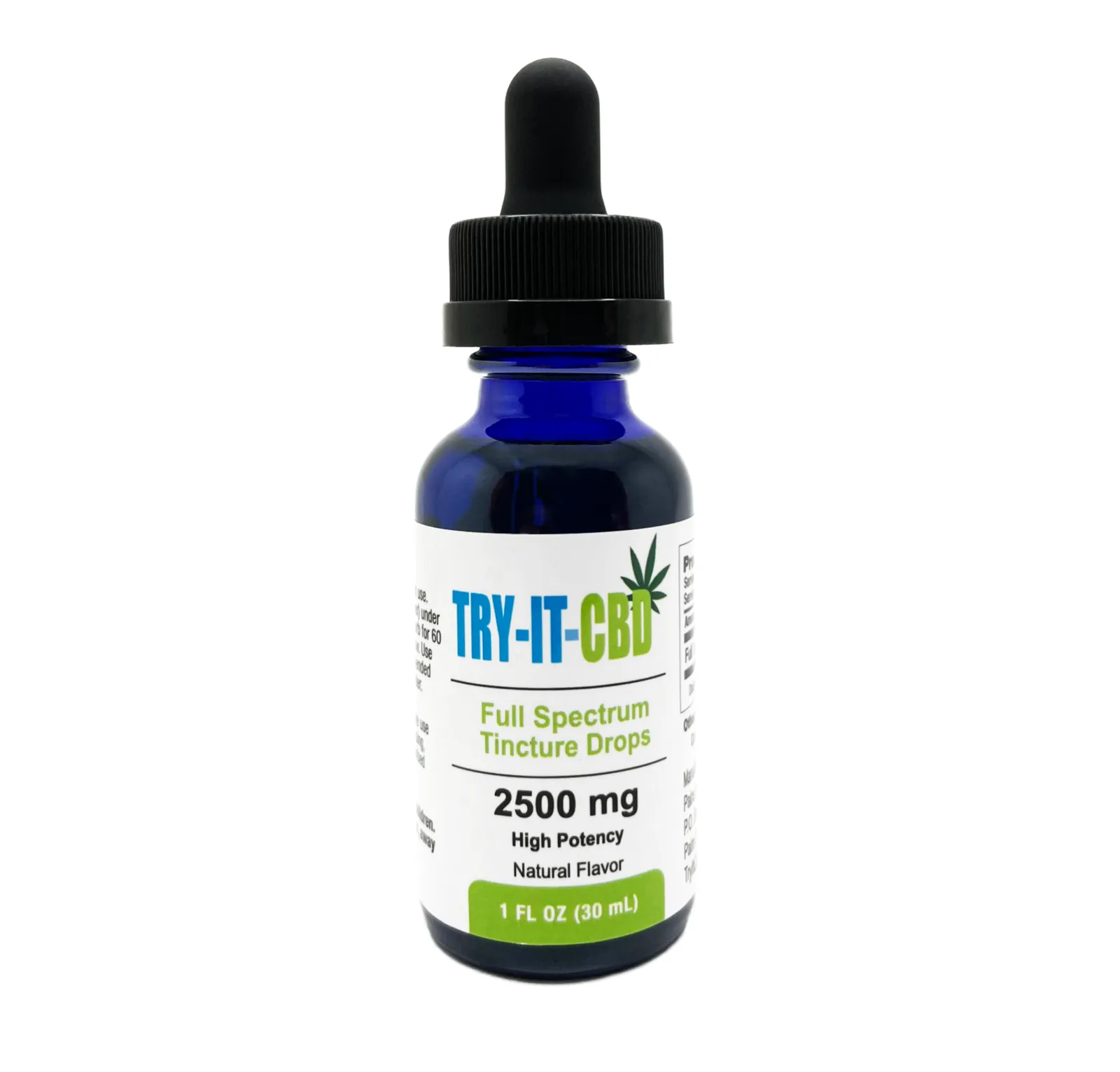
If you’re interested in CBD for sleep support, here’s what actually matters:
- Third-party testing: You should see lab results proving what’s actually in the product.
- Full or broad-spectrum options: More research supports these than isolated CBN.
- Transparent sourcing: Where does the hemp come from? How is it processed?
- Real customer feedback: Not just marketing claims, but actual user experiences.
TRY-IT-CBD publishes all third-party lab results online because we believe you have the right to verify what you’re buying. No mystery ingredients. No empty promises. Just quality CBD products designed for real results.
The Bottom Line on CBN and Sleep
Does CBN help you sleep? The honest answer is: we don’t know yet, and the current research doesn’t support it. That doesn’t mean CBN will never prove useful, but it does mean you shouldn’t bet your sleep on it right now.
What we do know is that you deserve better sleep, and you deserve products backed by transparency and real testing. If you’re ready to try something that’s actually been studied and formulated with your rest in mind, explore options that prioritize evidence over hype. Your morning self will thank you.
Is CBN safe?
CBN can cause sedation, intoxication, and psychomotor impairment. While it’s generally recognized as having low toxicity, side effects are possible. Always consult with your healthcare provider before adding CBN to your routine, especially if you take medications or have existing health conditions.
Is CBN better than CBD for sleep?
Not based on current research. CBD has more scientific support for promoting relaxation and reducing anxiety that interferes with sleep. CBN lacks the clinical evidence to support its sleep claims. If you’re choosing between them, CBD is the better-studied option.
How long does CBN take to work?
Because CBN’s sleep benefits aren’t well-established scientifically, there’s no reliable timeline. Some users report effects within 30-60 minutes, but this varies widely and may be placebo effect or the result of other ingredients in the product formulation.
Can I use CBN every night?
Daily use of CBN hasn’t been extensively studied. Before using any new supplement nightly, including CBN, talk to your doctor. They can assess whether it’s appropriate for your individual health situation and help you monitor for any side effects or interactions.


