

Best CBD Muscle and Joint Cream for Fast Pain Relief
September 7, 2026
Best CBD Cream for Back Pain 2026: Top 5 Ranked
September 9, 2026

If you’re a senior (or shopping for one), you’ve probably heard about CBD popping up everywhere. The reason is simple: CBD for seniors is becoming one of the most practical solutions for managing chronic pain, sleep problems, and anxiety without reaching for prescriptions that come with scary side effects.
Thank you for reading this post, don't forget to subscribe!
The good news? CBD is legal for adults 21 and up in most states, and research backs up what a lot of older adults are already experiencing firsthand. Let’s walk through what CBD actually does, how to pick the right product, and what safety stuff you need to know before you start.
Why Seniors Are Using CBD Right Now
Here’s the honest truth: getting older sometimes means dealing with pain and sleep issues that feel impossible to fix. Your doctor might suggest opioids. Maybe you’ve already tried them and hate the side effects. Or you’re just looking for something gentler.
Related: CBD for Women: Benefits, Dosing & What You Need to Know
That’s where CBD comes in. Seniors commonly use CBD for a few specific reasons:
- Chronic pain and arthritis – CBD shows real promise for managing inflammation and pain without the addiction risks of opioids. Research from peer-reviewed studies suggests CBD is a safe pharmacotherapy alternative, which is huge for older adults worried about becoming dependent on pain meds.
- Sleep problems – Insomnia and restlessness are super common in your 60s, 70s, and beyond. CBD can help you wind down and get deeper, more restorative sleep.
- Anxiety and depression – The mental health stuff nobody talks about. CBD helps calm racing thoughts and lift mood without the brain fog from traditional anxiety meds.
- Inflammation – Swelling in your joints, your back, everywhere. CBD tackles inflammation at the source.
The reason this matters? Because you deserve to feel good and stay active without trading one problem for three new ones.
How CBD Actually Works for Pain and Wellness
Your body has an endocannabinoid system (fancy name, but stick with me). Think of it like your body’s built-in balance system. CBD interacts with this system to help reduce inflammation, ease pain signals, and calm your nervous system.
You don’t need to understand the science completely. What matters is this: TRY-IT-CBD products are designed to work with your body’s natural processes, not against them. No need to worry about getting high or foggy-headed. CBD has less than 0.3% Delta-9 THC (the stuff that makes you feel intoxicated), so you’re getting the benefits without the buzz.
Choosing the Right CBD Product for Seniors
Not all CBD is created equal. This is where a lot of people stumble. You could grab a cheap product from a gas station and have no idea what you’re actually taking. That’s not worth it.
Here’s what to look for:
- Third-party testing – The product should be tested by an independent lab to confirm it actually contains the CBD amount on the label and has no sketchy contaminants. If a brand won’t show you test results, walk away.
- Full-spectrum vs. isolate – Full-spectrum contains a bunch of helpful plant compounds that work together (called the entourage effect). Isolate is pure CBD. Most seniors get better results with full-spectrum, but talk to your doctor.
- The format you’ll actually use – Do you prefer gummies? A tincture under your tongue? A roll-on you can rub directly on sore joints? Your consistency matters more than you’d think. If you hate the taste of tinctures, you’ll skip doses.
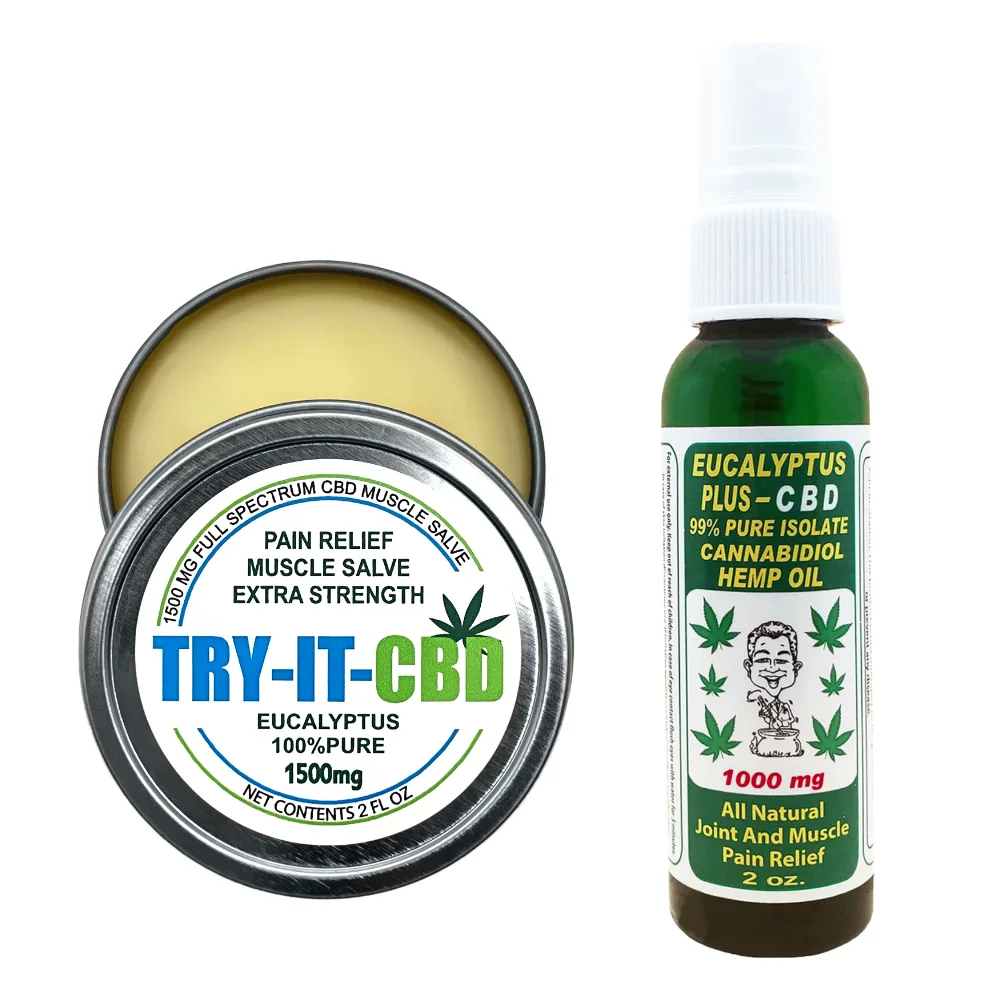
For targeted pain relief (especially arthritis or muscle tension), a lot of seniors swear by topicals. The 2000mg Full Spectrum CBD Roll On is a solid choice because you get concentrated CBD plus arnica, eucalyptus, and other ingredients specifically chosen to support joint and muscle comfort. You just roll it on the spot that hurts and get to work.
Getting Started: Dosing and Safety
The biggest mistake seniors make? They either take way too little and feel nothing, or they jump in too fast and feel overwhelmed.
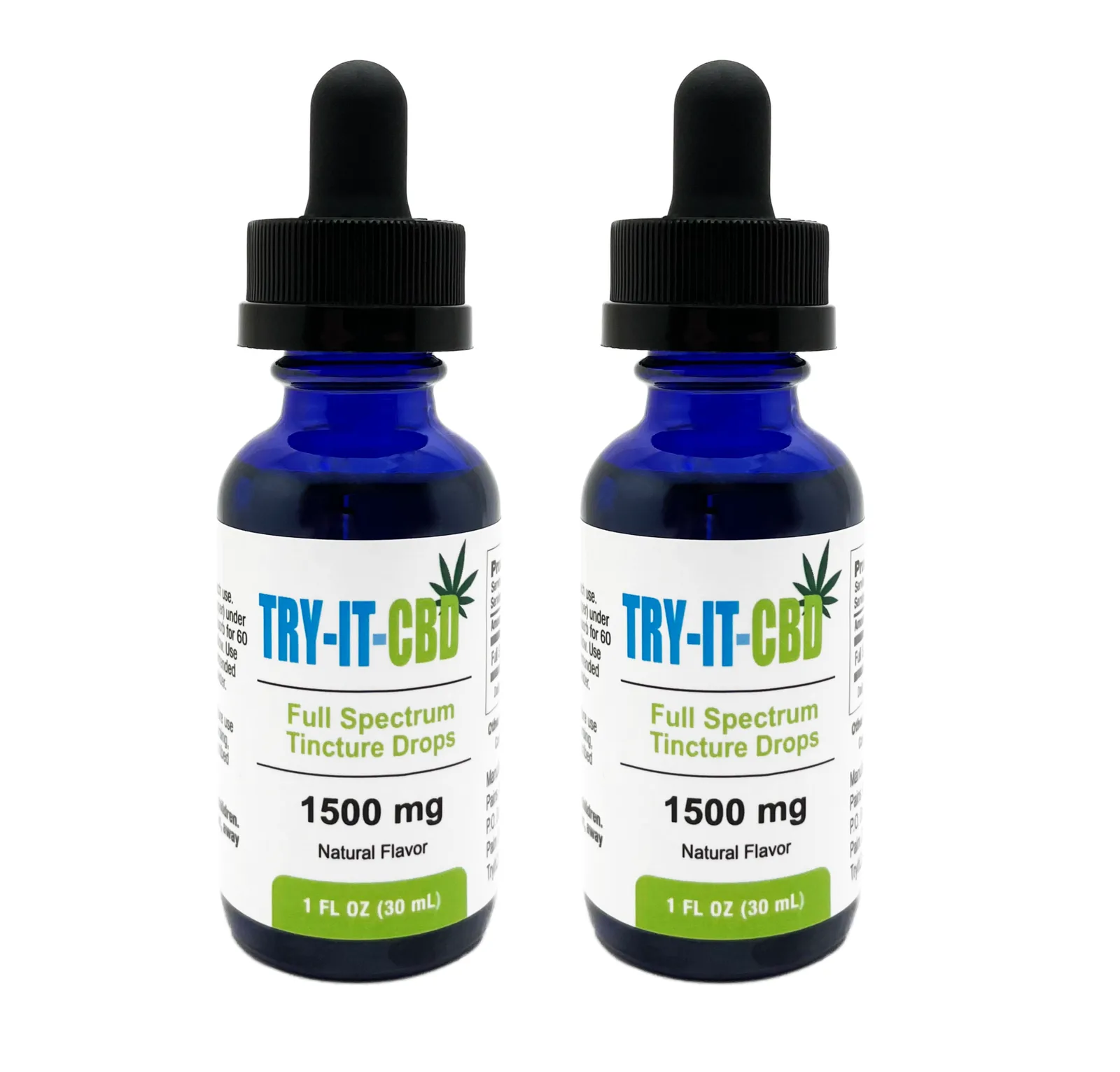
Start low. Really low. A good starting dose for most people is between 5-10mg of CBD per day. Take it for a week or so and pay attention to how you feel. If you’re not seeing results, bump it up by 5-10mg. Keep going until you hit your sweet spot.
A few safety things to know:
- CBD can interact with certain medications (especially blood thinners and heart meds). Talk to your doctor before you start, especially if you take a bunch of prescriptions.
- Buy from reputable brands. Sketchy sellers sometimes mix in stuff they shouldn’t or mislabel products.
- Give it time. CBD isn’t like ibuprofen. It works best when you take it consistently for a couple weeks. Your body needs time to respond.
If you’re not sure where to start, TRY-IT-CBD has customer service people who actually know the products and can walk you through your options. That’s worth a lot when you’re trying something new.
Common Conditions Seniors Use CBD For
Let’s get specific. Here are the health situations where CBD genuinely seems to help older adults:
Arthritis and joint pain: Inflammation is the root cause, and CBD is anti-inflammatory. A lot of seniors report less stiffness and better mobility. Topical products let you target the exact joint that’s bugging you.
Sleep issues: If you’re the type who lies awake at 3 a.m., CBD can help you relax your nervous system and actually stay asleep. Some people take it 30 minutes before bed.
Anxiety without the jitters: CBD doesn’t make you drowsy (unless you want it to). It just takes the edge off so you can think straight and enjoy time with grandkids or friends without constant worry.
Post-surgery or post-injury recovery: After a fall, surgery, or injury, CBD can help manage pain and inflammation while your body heals. Way gentler than heavy pain meds during recovery.
What Makes a Quality Senior-Friendly CBD Product
You’ve probably noticed there’s a ton of CBD out there. How do you know if it’s actually good?
Premium brands like TRY-IT-CBD handle their own production and testing. That means they’re responsible for every batch. You’re not buying from a middleman who bought it from someone else who bought it from someone else. Transparency matters.
Look at reviews from actual seniors. Not five-star spam, but real people saying “this helped my knee pain” or “I finally slept through the night.” Honest feedback tells you way more than marketing language.
And price? Don’t assume expensive equals better, but also don’t go ultra-cheap. A quality 2000mg full-spectrum CBD product should cost somewhere in the middle range. If it’s suspiciously cheap, there’s probably a reason.
The Legal Side (Don’t Stress)
CBD is legal for adults 21+ in most of the U.S., including New York and similar states. The federal rule is simple: your CBD product can’t contain more than 0.3% Delta-9 THC by dry weight. That’s it.
Reputable sellers always verify this through third-party testing. You’re safe as long as you’re buying from a legitimate company that tests their products.
Getting Started Today
If you’re thinking about trying CBD, here’s your action plan:
- Start with a trusted brand that has third-party test results you can see.
- Pick a format that fits your life (gummies if you want simplicity, tinctures if you want flexibility, roll-ons if you have targeted pain).
- Start with a low dose and track how you feel for a week or two.
- Talk to your doctor if you’re on multiple medications.
- Be patient. CBD works best when you give it time and consistency.
You won’t know how CBD works unless you try it. A lot of seniors wish they’d started sooner. Don’t spend another year managing pain or lying awake when there’s a real option in front of you.
Frequently Asked Questions
Is CBD safe for seniors with heart conditions?
CBD is generally considered safe, but it can interact with certain heart medications (like blood thinners). Always talk to your cardiologist before starting. They may need to monitor you or adjust your current meds. It’s not a no, but it’s definitely a conversation to have first.
How long does CBD take to work?
You might feel something in 15-30 minutes with a tincture or topical, but real benefits usually show up after a week or two of consistent use. Your body needs time to adjust. Don’t expect miracles on day one.
Can CBD help with Alzheimer’s or Parkinson’s symptoms?
Research is still early, but there’s promising work happening. CBD might help with some symptoms like anxiety, sleep, and inflammation. It’s not a cure or replacement for medical treatment, but it could be part of a bigger wellness plan. Talk to your neurologist about whether it makes sense for your situation.
What’s the difference between full-spectrum and isolate CBD?
Full-spectrum has CBD plus other plant compounds that work together (terpenes, flavonoids, etc.). Isolate is pure CBD only. Most people get better results with full-spectrum, but some prefer isolate if they’re sensitive to other compounds. Start with full-spectrum if you’re not sure.


