

Best CBD Cream for Back Pain 2026: Top 5 Ranked
September 9, 2026
How Long Does CBD Take to Work? Timeline by Method
September 11, 2026

Here’s the honest truth: there’s no one-size-fits-all answer to how much CBD you should take. But there absolutely is a smart way to figure out your personal dose, and that’s what this guide is all about.
Thank you for reading this post, don't forget to subscribe!
CBD affects everyone differently based on body weight, metabolism, the condition you’re treating, and even what you ate that morning. The good news? The “start low and go slow” method works for almost everyone. Let’s break it down.
Related: When to Take CBD: Morning vs. Night Timing Guide
Related: What Is Broad Spectrum CBD? The Complete Guide
Related: What Is Full Spectrum CBD? Complete Guide & Benefits
Related: What Is CBN? A Beginner’s Guide to This Minor Cannabinoid
Why There’s No Official CBD Dosage
The FDA hasn’t set a recommended daily dose for CBD—and honestly, they probably never will. Here’s why: CBD research is still relatively new, and the human body is complicated.
Related: How Much CBN for Sleep: Dosage Guide & Tips
Clinical studies have tested doses everywhere from 10 mg all the way up to 1,500 mg daily, depending on what researchers were studying. Sleep support? Anxiety? Chronic pain? Each condition shows different response patterns. That’s actually a good thing—it means CBD is flexible and works for lots of different situations.
Instead of waiting for an official guideline, you can use expert consensus and real-world data to dial in your ideal dose. When you’re starting with TRY-IT-CBD products, you already have a trusted partner walking you through the process.
The “Start Low and Go Slow” Method
This is the gold standard for CBD dosing, recommended by wellness experts across the board. It sounds simple because it is.
Related: CBD for Women: Benefits, Dosing & What You Need to Know
Step 1: Pick your starting dose. Most people begin with 5 to 10 mg per day. If that feels too cautious, 20 to 25 mg is also a solid entry point that lets you notice effects without overdoing it.
Step 2: Take that dose consistently for 3 to 5 days. You need time to see how your body responds. Don’t jump around doses every day—that’s how you miss what actually works.
Step 3: Track how you feel. Are you noticing any changes? Better sleep? Less tension? Clearer head? Write it down. Your observations matter way more than guessing.
Step 4: Increase by 5 to 10 mg if needed. If you’re not seeing the results you want, bump up slightly and repeat steps 2 and 3. Keep going until you hit your sweet spot.
Step 5: Stay there. Once you find a dose that works, stick with it. Your body adapts, so you might need to adjust months from now—but don’t chase effects by constantly increasing.
Common CBD Doses and What They’re Used For
Here’s a real-world breakdown of what typical users are taking:
- 5 to 10 mg daily: Curious newcomers, light wellness support, or folks with very sensitive systems.
- 15 to 25 mg daily: The sweet spot for most people. General wellness, mild stress management, and sleep support.
- 30 to 50 mg daily: Standard maintenance dose. Used for consistent anxiety relief, better sleep quality, and mild discomfort.
- 75 to 100+ mg daily: Higher doses for more intense needs. Chronic pain, severe insomnia, or significant anxiety. Often split into two doses.
Keep in mind—these ranges come from real users and clinical research combined. TRY-IT-CBD products are dosed to make titration simple, whether you’re starting micro or going bigger.
How to Take CBD for Maximum Effect
Your dosing strategy also depends on how you’re taking CBD. Different product types have different absorption rates.
Tinctures (under the tongue): Fast-acting, typically 15 to 45 minutes. You control the exact dose drop by drop. Start with a half dropper (usually 5 to 10 mg) and work up from there.
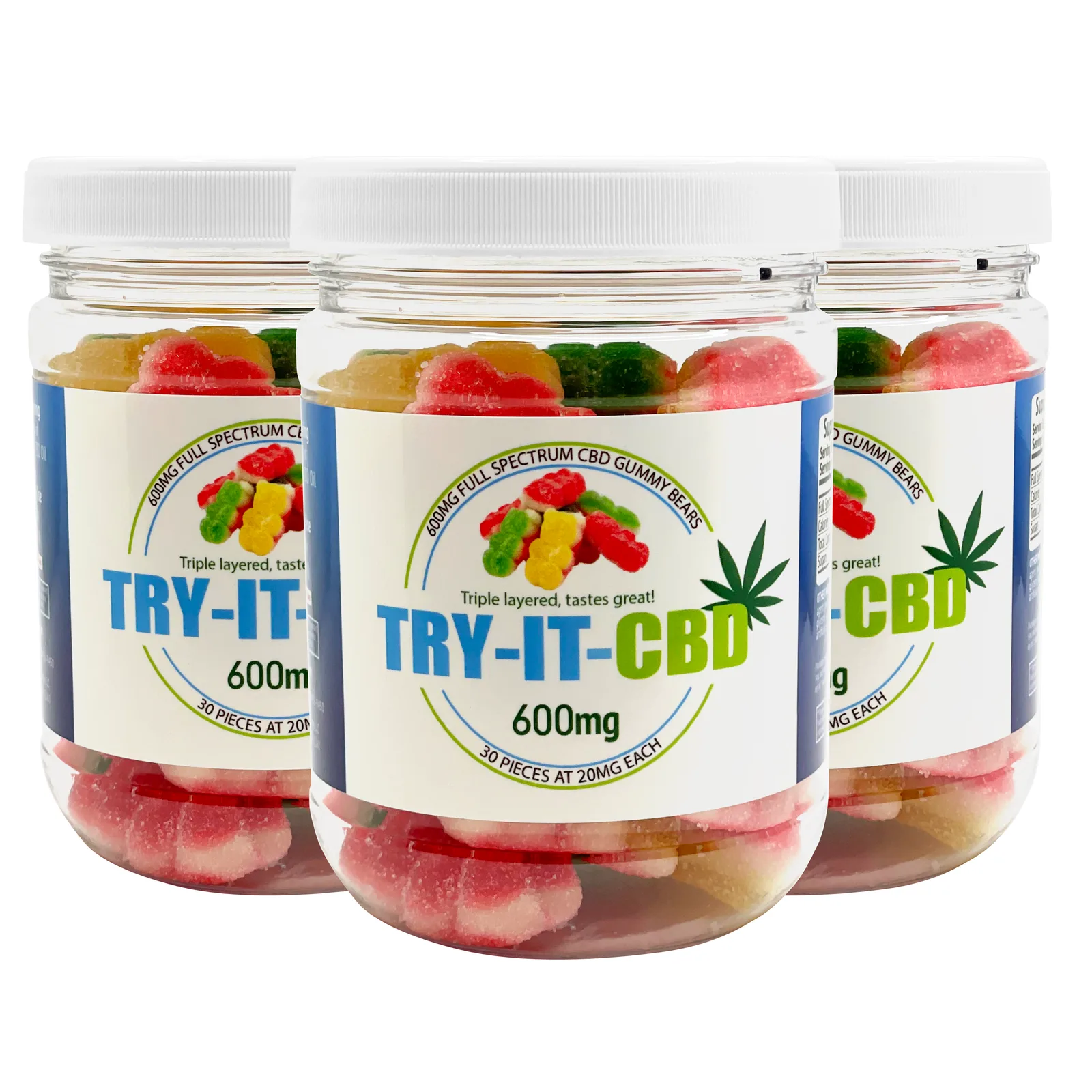
Gummies: Convenient and consistent, but slower absorption (30 to 90 minutes) because they digest like food. Start with one gummy and see how you feel the next day before taking more.
Topicals (roll-ons, salves, sprays): These work locally on the area you apply them. The amount you “take” isn’t the same as ingesting it. A product like our bestselling 2000mg Full Spectrum CBD Roll On with arnica and eucalyptus delivers relief exactly where you need it—no guesswork on whole-body dosing required.
Your stomach contents matter too. Taking CBD with a meal or snack boosts absorption, especially for gummies and capsules. If you take it on an empty stomach, effects come faster but may be less intense.
Factors That Change Your Ideal Dose
Several things affect how much CBD you’ll actually need:
- Body weight: Heavier individuals often need slightly higher doses than lighter folks. That said, it’s not a strict equation—metabolism varies wildly.
- Metabolism: Some people process CBD quickly; others let it linger. Only time and tracking will tell you which you are.
- What you’re treating: Sleep support might need 20 mg. Chronic joint discomfort might need 50 mg or a topical like our roll-on applied directly to the area.
- CBD type: Full-spectrum products (which contain trace cannabinoids and terpenes) often feel more potent than isolates at the same milligram dose. Broad-spectrum sits in the middle.
- Tolerance: If you’ve used CBD before, your body might need more to feel the same effect. If you’re new, start extra low.
When to Bump Up Your Dose
You’re not failing if your first dose doesn’t work. That’s actually normal.
Increase your dose if:
- You’ve been consistent for a full week and notice zero change.
- You’re noticing a tiny bit of effect but want more.
- Your needs have changed (more stress, more pain, seasonal shifts in sleep).
Increase by only 5 to 10 mg at a time. Jumping 30 mg higher in one shot defeats the whole “start low” purpose and makes it harder to identify what actually helped.
The Full-Spectrum Advantage
A quick note on product quality: not all CBD is created equal. Full-spectrum products contain CBD plus other cannabinoids, terpenes, and plant compounds that work together—what experts call the “entourage effect.”
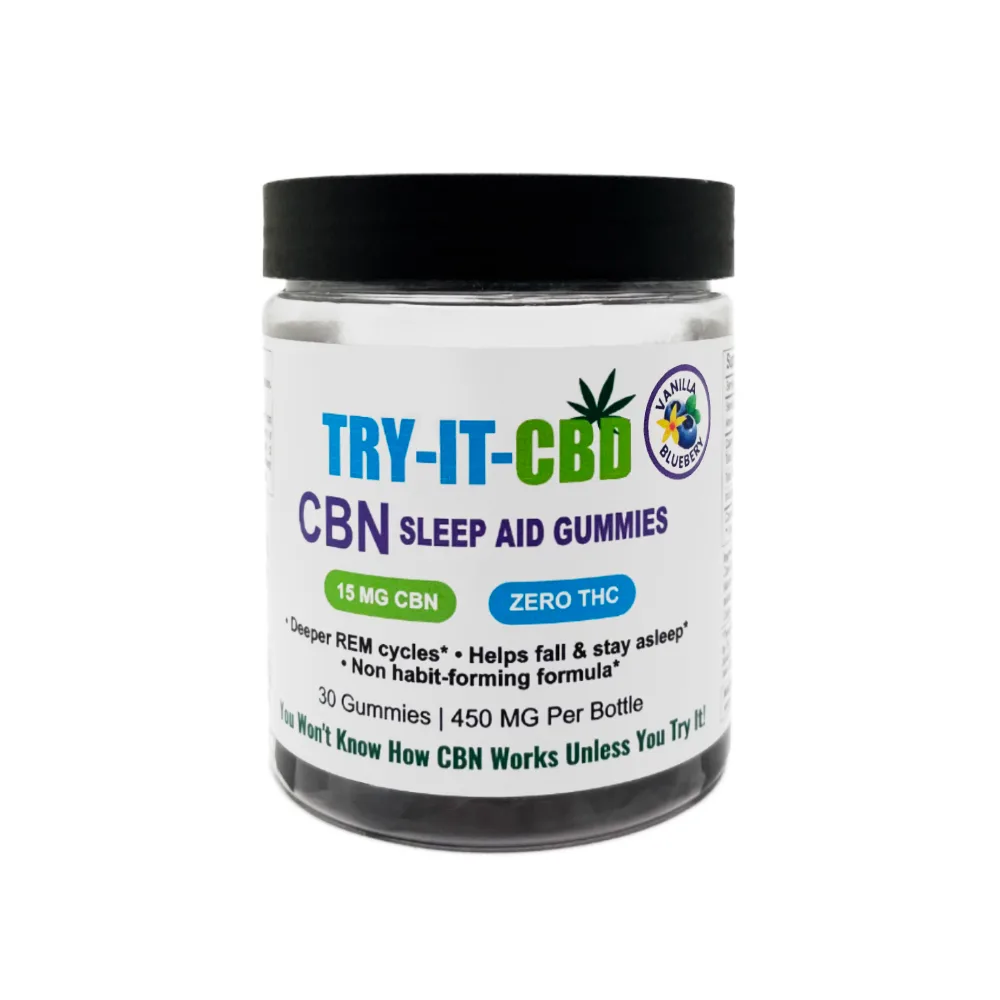
This means you might need less full-spectrum CBD to feel the same benefit compared to isolate. It’s also why TRY-IT-CBD’s full-spectrum line is so popular. Third-party testing and in-house production mean you know exactly what you’re getting in every dose.
Research from the National Institutes of Health shows that full-spectrum CBD products often outperform isolates in real-world use—a good reminder that dosage alone doesn’t tell the whole story.
Tracking Your Dose: Keep a Simple Log
You don’t need an app or anything fancy. Just jot down:
- Date and time you took it
- How much (in mg)
- What product you used
- How you felt the next day (or later that day)
- Any side effects (they’re rare, but honesty matters)
After two weeks, you’ll see patterns. You’ll know if 25 mg hits different than 50 mg, or if you need your dose twice a day instead of once. That data is gold.
Common Dosing Mistakes to Avoid
Switching products constantly: If you jump between brands and types every few days, you’ll never figure out what actually works. Pick a quality product and give it a real shot.
Taking huge jumps: Going from 10 mg to 100 mg overnight wastes product and confuses your body’s response.
Expecting instant results: CBD isn’t like an aspirin. Some people feel it in 15 minutes; others need a week to notice cumulative benefits. Patience wins.
Not accounting for product type: 25 mg of tincture hits differently than 25 mg of gummies. Absorption rates matter.
Ignoring food and timing: Taking CBD at wildly different times with or without food makes consistency impossible. Pick a routine and stick to it for at least a week before changing anything.
Where to Get Reliable Guidance
Your best move is to start with a quality brand that educates, not just sells. TRY-IT-CBD includes dosing guides with every product, third-party lab reports so you know the exact CBD content, and a team ready to answer your questions about finding your personal sweet spot.
Related: Best Time to Take CBD: Morning, Evening & Dosing Guide
If you’re managing a serious health condition, talking to your doctor or a functional medicine practitioner isn’t a bad idea either—especially if you’re on other medications.
Your Next Step
You’re ready. Pick a starting dose between 5 and 25 mg, commit to it for a week, track how you feel, and adjust from there. The “start low and go slow” method works because it respects your individual body and builds in real feedback.
Whether you choose a tincture for precise dosing, gummies for convenience, or our award-winning 2000mg Full Spectrum CBD Roll On for targeted relief, you’ve got this. The key is starting, paying attention, and trusting the process.
Can I take too much CBD?
Technically, yes—but it’s hard to reach that point accidentally. The World Health Organization found CBD to be very safe, even at high doses. That said, taking way more than you need is wasteful and won’t give you better results. More is not always more with CBD. Stick to your personal dose once you find it.
How long does it take to feel CBD working?
It depends on the product and your body. Tinctures and sprays can work within 15 to 45 minutes. Gummies and capsules usually take 30 to 90 minutes because they have to digest. Some people notice cumulative benefits over days or weeks rather than immediate effects. Give it at least three to five days at your chosen dose before deciding it’s not working.
Is there a maximum safe dose of CBD?
Clinical research has tested doses up to 1,500 mg daily without serious safety issues. For most people seeking wellness benefits, 10 to 100 mg daily is the effective range. Your “maximum” is really your personal sweet spot—the dose that gives you the results you want without any downside.
Do I need to cycle off CBD or take breaks?
Not necessarily. Unlike some supplements, CBD doesn’t build up in your system or require cycling to prevent tolerance. Most people take it daily long-term without issues. That said, if you feel like you need more and more to feel the same effect, a one-week break can reset your sensitivity. Then restart at a lower dose and build back up slowly.


