

Best Sleep Gummies CBD 2026: Top 5 Ranked
September 15, 2026
Best CBD Cream for Inflammation 2026: Top 5 Ranked
September 17, 2026

You’re ready to buy CBD oil, but you’re tired of guessing whether you’re getting quality or hype. The good news: high-quality CBD oil is out there, and it doesn’t have to cost a fortune or come with mystery ingredients. The trick is knowing what to look for before you hit “buy now.”
Thank you for reading this post, don't forget to subscribe!
Here’s what separates the winners from the rest: third-party testing, transparent sourcing, minimal ingredient lists, and honest dosing information. If a retailer can’t show you a lab report or explain where their hemp comes from, walk away. Your body deserves better.
Let’s break down the most effective CBD oil options on the market right now, so you can match the right product to your actual needs.
Understanding CBD Oil Types Before You Buy
Not all CBD oil for sale is created equal. The format you choose depends on how fast you want results and what you’re trying to achieve.
Full-spectrum CBD oil contains the entire plant profile: CBD plus other cannabinoids, terpenes, and plant compounds. This “entourage effect” means you get more bang for your buck. Most people report feeling results faster with full-spectrum because all those compounds work together. The trade-off: it can have a stronger plant taste.
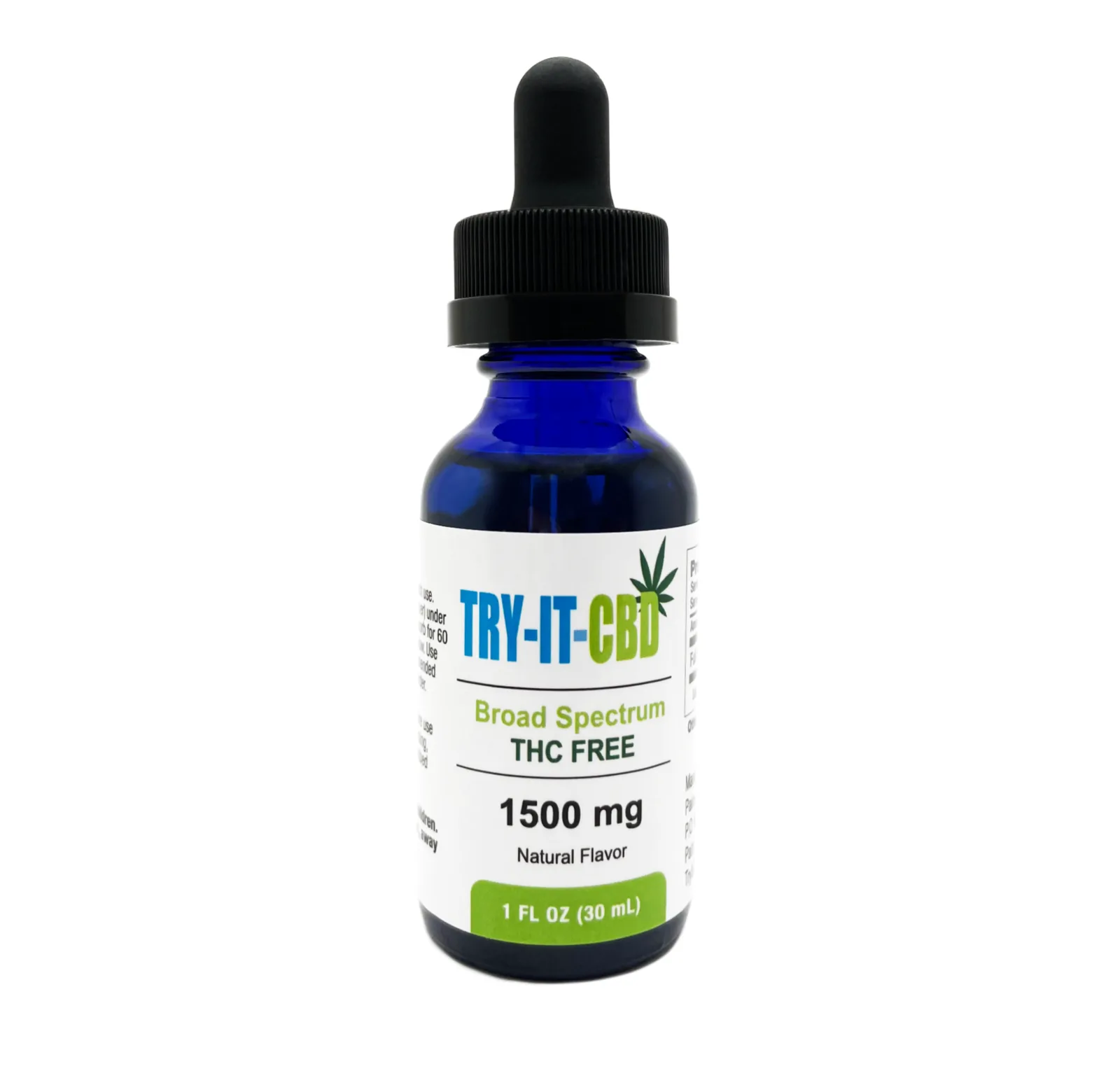
Broad-spectrum CBD oil gives you the entourage effect without the THC. It’s the middle ground for people who want compound synergy but need to stay completely THC-free for work or personal reasons.
CBD isolate is pure CBD and nothing else. It’s flavorless, odorless, and the most affordable option. If you’re new to CBD or super sensitive to plant compounds, isolate is your starting point.
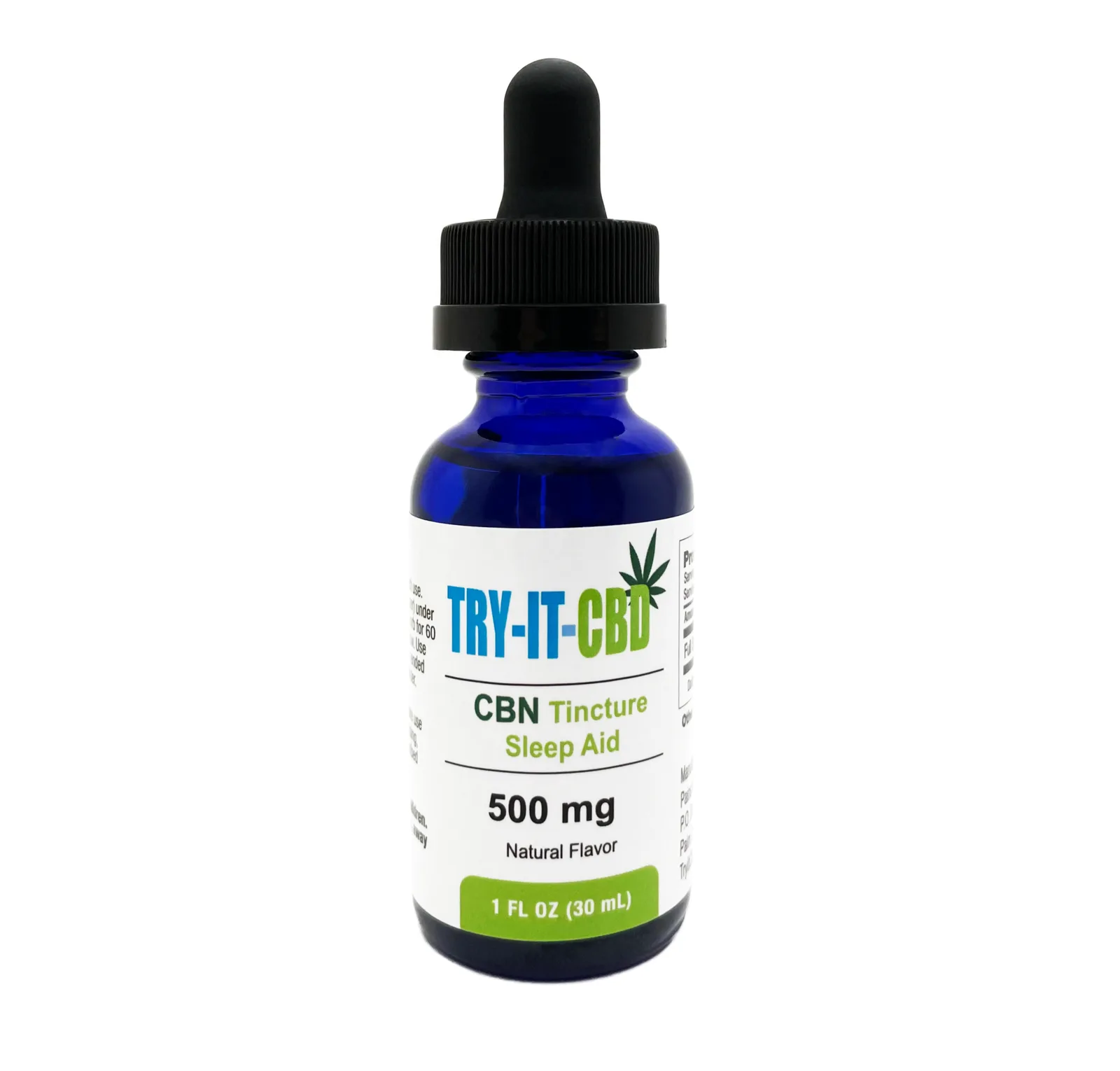
At TRY-IT-CBD, we offer all three formats so you can test what works for your body. Most customers start with full-spectrum tinctures or our bestselling roll-on products for targeted relief.
Related: Best CBD Rub for Pain Relief That Actually Works
What Makes Quality CBD Oil Worth Your Money
Price isn’t the enemy. Wasting money on low-quality CBD is.
Related: Best CBD Oil to Buy Online in 2026: Quality That Works
Here’s your quality checklist:
- Third-party lab testing: Every batch should come with a Certificate of Analysis (COA). This proves potency, purity, and the absence of mold, heavy metals, or pesticides. If the retailer won’t share it, that’s a red flag.
- USDA organic certification: Hemp is a bioaccumulator, meaning it absorbs everything from the soil. Organic certification means no synthetic pesticides or fertilizers. It matters.
- Minimal ingredients: You want CBD oil, hemp extract, and maybe a carrier oil like MCT or coconut. Avoid artificial flavors, preservatives, or long ingredient lists you can’t pronounce.
- Clear potency labels: A 1000mg bottle tells you how much total CBD is inside. The label should also state the mg per serving. Transparency here is non-negotiable.
- Sourcing transparency: Know where the hemp comes from. US-grown hemp is more regulated than imports. Your retailer should tell you this without you having to dig.
Research from the National Institute of Health confirms that third-party testing and transparent labeling are critical factors in choosing safe CBD products. Many low-cost options fail basic quality checks.
Best CBD Oil Products for Different Needs
The “best” CBD oil for sale depends on what you’re actually trying to fix.
Related: Best Third-Party Tested CBD: Quality Standards That Actually Matter
For everyday wellness and calm: Full-spectrum tinctures work best. Sublingual absorption means you feel results in 15-30 minutes. Pricing typically ranges from $79.99 to $199.95 depending on potency. Many retailers offer subscribe-and-save options that cut your cost by 20-25%.
For sleep support: Look for CBD gummies or tinctures formulated with complementary botanicals like melatonin or valerian. These are designed to be taken 30-60 minutes before bed. Take them consistently for best results.
For localized pain or muscle tension: This is where topical CBD shines. Our 2000mg Full Spectrum CBD Roll-On with arnica and eucalyptus is our bestseller for a reason. You roll it directly onto sore muscles, joints, or tension areas. Arnica reduces inflammation, eucalyptus cools and soothes, and the full-spectrum CBD works at the source. No mess, no guesswork, fast relief.
How to Spot a Trustworthy CBD Oil Retailer
You’re not just buying a product. You’re buying from a company. Make sure they’re worth your trust.
- Do they publish third-party lab reports on their website? (Yes is non-negotiable.)
- Can you contact customer service with questions? (Live chat, email, or phone.)
- Do they explain the difference between CBD types, or do they just sell whatever?
- Are prices competitive but not suspiciously cheap? (Super low prices often mean low quality.)
- Do they offer a money-back guarantee if you’re not satisfied?
Premium retailers like TRY-IT-CBD are vertically integrated, meaning they grow, extract, and test their own CBD. This level of control ensures consistency and quality. You’re not buying from a middleman. You’re buying directly from the source.
Pricing, Discounts, and Smart Buying Strategies
You don’t have to break the bank to get premium CBD oil for sale.
Standard pricing hovers around $79.99 for lower potencies and climbs to $199.95+ for high-concentration bottles. But here’s where smart shoppers win: subscribe-and-save programs typically save you 20-25% compared to one-time purchases. If you know you’ll use CBD regularly, subscription is the no-brainer move.
Many retailers run seasonal sales or first-time buyer discounts. Sign up for email lists to catch these before they sell out. And remember: buying the cheapest option almost always backfires. A $50 bottle of untested, low-quality oil is a waste. A $120 full-spectrum bottle from a transparent, tested retailer is an investment in results.
Getting Started: Your First CBD Oil Purchase
If you’ve never used CBD oil before, here’s your game plan:
Start low, go slow. Begin with a low potency (500-1000mg) or a lower dose. Give your body 5-7 days to adjust before increasing. Everyone’s endocannabinoid system is different.
Choose one format first. Pick either a tincture (sublingual) or a topical roll-on based on your primary need. Master one before adding others.
Track how you feel. Write down when you take it, how much, and what changes you notice. This data helps you optimize faster.
Buy from retailers with guarantees. A 30-day money-back promise means you’re not risking anything. TRY-IT-CBD offers transparent guarantees so you can try products risk-free and see what works for your body.
The CBD oil market is crowded, but quality options exist if you know what to look for. Third-party testing, organic certification, transparent sourcing, and honest customer service are your north star. Start there, and you’ll skip years of trial-and-error.
FAQs About CBD Oil for Sale
Is CBD oil for sale legal?
In most US states, yes. Hemp-derived CBD with less than 0.3% THC is federally legal under the 2018 Farm Bill. However, state laws vary, so check your local regulations. Always buy from retailers who test for THC compliance and can prove it.
How long does it take to feel CBD oil working?
Tinctures and sublingual products typically work within 15-30 minutes because they enter your bloodstream directly. Topicals take 20-45 minutes to reach peak effectiveness. Edibles (gummies) take 1-2 hours because they digest first. Consistency matters more than speed; most people feel more pronounced benefits after 5-7 days of regular use.
Can I use CBD oil if I take other medications?
CBD can interact with certain medications, especially those metabolized by the liver. Always consult your doctor or pharmacist before adding CBD to your routine, especially if you take prescription medications. They can advise you on timing and dosing to avoid interactions.
What’s the difference between CBD oil and CBD tincture?
“CBD oil” and “CBD tincture” are often used interchangeably, but tinctures are traditionally made with alcohol or glycerin as a carrier. Oils use carrier oils like MCT or coconut. Both work well; tinctures absorb slightly faster. Personal preference and dietary restrictions (some people avoid alcohol) determine which you choose.


