

CBN Gummies Benefits: Better Sleep & Pain Relief Explained
September 18, 2026
Best Full Spectrum CBD Softgels for Daily Wellness in 2026
September 20, 2026

You’re tired of tossing and turning. You’ve tried the usual suspects, and nothing sticks. Maybe you’ve heard about CBN drops and wonder if they’re the missing piece to better sleep. Here’s what you need to know before you buy: the science is still catching up to the hype, but there are smarter ways to explore sleep support with cannabinoids.
Thank you for reading this post, don't forget to subscribe!
CBN (cannabinol) is a minor cannabinoid that’s been marketed heavily as a sleep aid, often paired with CBD for enhanced relaxation support. The idea sounds appealing, and plenty of sleep-deprived people are curious. But before you jump in, let’s separate the marketing from what research actually tells us, and show you how to make an informed choice.
Related: CBN Oil for Sleep: Does It Actually Work?
What Are CBN Drops, and How Do They Work?
CBN drops are liquid tinctures containing cannabinol, typically suspended in an organic carrier oil like MCT (medium-chain triglycerides). Most formulations deliver around 10mg of CBN per dropper, with a full bottle containing 300mg total. You’ll often see CBN paired with CBD in a 2:1 ratio, since the combination is thought to create a synergistic effect.
The appeal is straightforward: take a dropper 30 minutes before bed, and let the CBN work its way into your system to promote relaxation and sleep onset. Unlike melatonin or prescription sleep aids, CBN is non-intoxicating (it won’t get you high), and it’s derived from hemp, making it legal in most U.S. states.
But here’s where we need to pump the brakes. Research on CBN’s effectiveness remains limited and inconclusive. Most marketing claims outpace the peer-reviewed evidence. That doesn’t mean CBN is useless, but it does mean you should approach it as an experiment rather than a guaranteed solution.
The Real Science Behind CBN Drops for Sleep
The buzz around CBN grew out of early laboratory studies and anecdotal reports, not large clinical trials. A few small studies suggested CBN might have sedative properties, but the evidence is far from conclusive. Many claims you’ll see online are extrapolated from animal studies or preliminary research that hasn’t been replicated in humans.
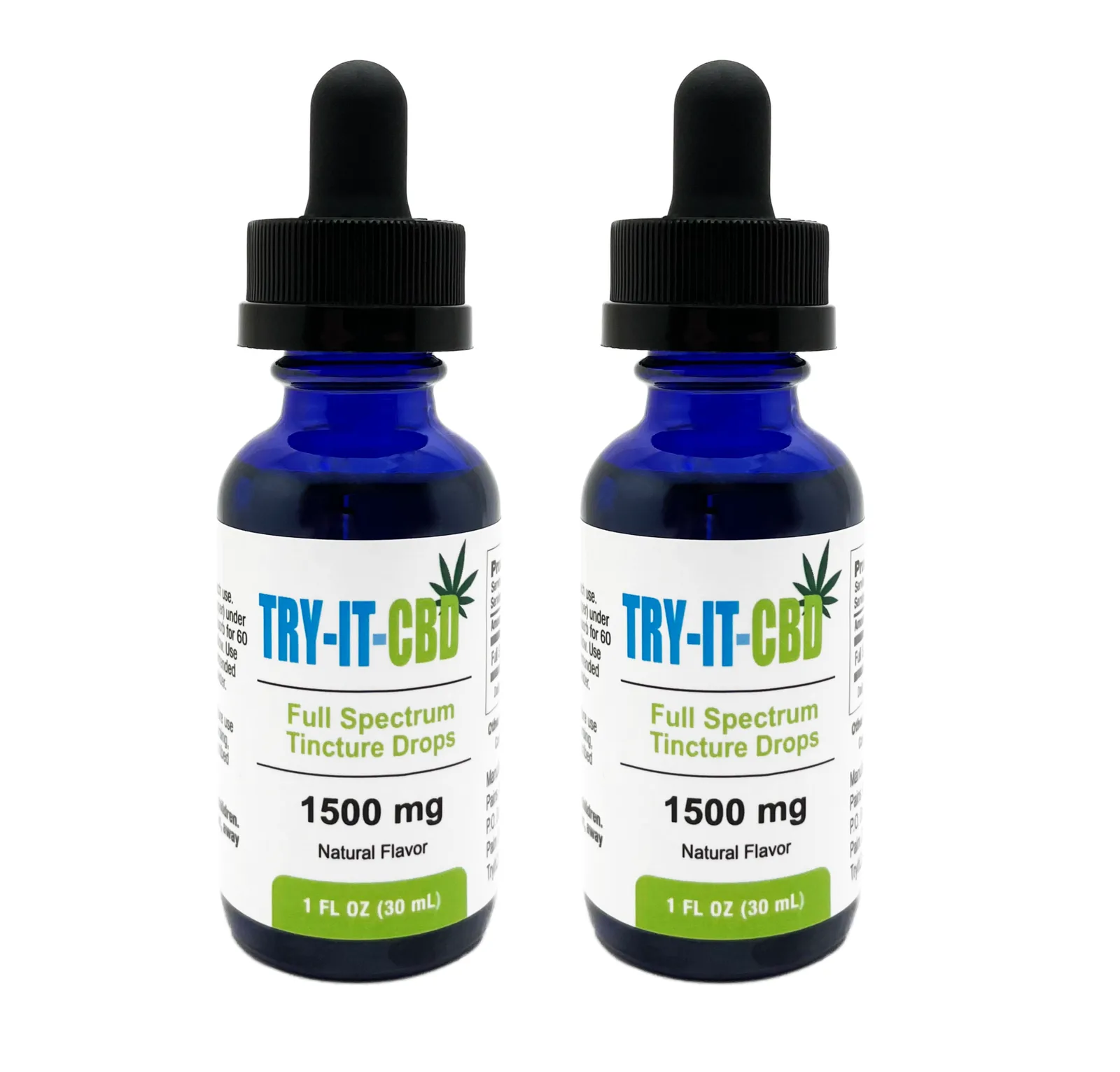
What we do know: CBN may interact with your endocannabinoid system in ways that promote relaxation. It’s also been investigated for potential neuroprotective properties. But “may” and “potential” are very different from “will.” If you’re considering CBN drops from a quality provider like TRY-IT-CBD, understand that you’re exploring an option that’s still being studied, not taking a proven sleep medication.
The bottom line from the research community? CBN shows promise, but we need more rigorous studies before we can confidently say it works. This is why consulting a healthcare professional before starting any new supplement routine is essential, especially if you’re already taking sleep medications or have underlying health conditions.
Why Full-Spectrum Options Might Be Your Better Bet
If you’re serious about sleep support with cannabinoids, consider this: full-spectrum CBD products (which contain trace amounts of CBN and other minor cannabinoids naturally) might offer a more balanced approach. Many users report better sleep outcomes from full-spectrum formulations than from isolated CBN.
Full-spectrum means you’re getting CBD, CBN, CBG, and other compounds working together, rather than relying on CBN alone. This “entourage effect” is one reason why experienced CBD users often prefer full-spectrum over isolates. TRY-IT-CBD’s full-spectrum products are third-party tested and formulated with sleep support in mind, giving you peace of mind that what’s on the label is actually in the bottle.
That said, some people respond better to CBN specifically. Sleep is personal. What works for your friend might not work for you. The only way to know is to try responsibly and track what happens.
Related: Best CBD Rub for Pain Relief That Actually Works
Related: CBD vs THC Effects: Which One Actually Works for You?
How to Use CBN Drops Safely and Effectively
If you decide to explore CBN drops, here’s the smartest approach:
- Start low. Begin with 5mg to 10mg (half a dropper) 30 minutes before bed. See how your body responds for at least a week before increasing.
- Be consistent. Cannabinoids work better with regular use. Skip one night and the effect may not show up the next.
- Track your sleep. Keep a simple log: bedtime, time to fall asleep, wake-ups, sleep quality. This tells you whether CBN is actually helping or if you’re imagining things (which is a real thing called placebo effect).
- Talk to your doctor first. Especially if you’re on sleep meds, blood thinners, or have liver issues. CBN can interact with certain medications.
- Source matters. Buy from vendors who provide third-party lab testing. Unknown CBN drops from sketchy sellers could contain contaminants or misrepresented potency.
Timing is key. Take your CBN drops too early and the effect might wear off before bed. Too late, and you’re fighting the clock. Thirty minutes before sleep is the standard recommendation, but you may need to adjust based on how quickly your body absorbs it.
What to Look for in Quality CBN Products
Not all CBN drops are created equal. Here’s what separates the good from the mediocre:
- Third-party testing. The brand should publish lab reports proving potency and purity. No excuses. If they won’t show you the COA (Certificate of Analysis), walk away.
- Transparent sourcing. Where does the hemp come from? How is it extracted? Reputable brands answer these questions upfront.
- Full-spectrum or broad-spectrum options. Both have their place. Full-spectrum includes all cannabinoids and terpenes; broad-spectrum removes THC but keeps other compounds. Isolate CBN works too, but many users prefer the fuller profile.
- Organic carrier oil. MCT oil is the standard and preferred base. It’s neutral, stable, and doesn’t interfere with absorption.
- No unnecessary additives. You don’t need melatonin mixed in (unless you specifically want it). The CBN should be the star.
When you’re ready to try premium CBN and full-spectrum sleep options, TRY-IT-CBD checks every one of these boxes. Vertically integrated production means they control quality from seed to shelf, and third-party testing is standard. You’re not guessing what you’re taking.
The Honest Truth About CBN Drops vs. Other Sleep Strategies
Before you spend money on CBN, ask yourself: have you nailed the basics? CBN works best as a complement to good sleep hygiene, not a replacement for it. You need:
- A consistent sleep schedule (bed and wake time within an hour, every day)
- A cool, dark bedroom
- No screens 30 to 60 minutes before bed
- Limited caffeine after 2 p.m.
- Regular exercise (but not close to bedtime)
If you’re already doing these things and still struggling with sleep, then yes, CBN drops might be worth exploring. But if you’re trying to out-supplement bad sleep habits, you’re wasting your money.
Many people find that CBD alone is enough for their sleep needs. Others swear by CBN specifically. Some respond better to a full-spectrum blend that includes both. The variability is partly why research is still catching up. Everyone’s endocannabinoid system is different.
Making Your Decision: Is CBN Right for You?
You won’t know how CBN works for you unless you try it. But do it thoughtfully. Start with a reputable source, use a low dose, track your results, and be patient. Sleep improvements from cannabinoids typically show up after consistent use, not after one night.
If you’re open to experimenting and willing to commit to a two-week trial, CBN drops are worth a shot. If you’re looking for a miracle cure, you’ll be disappointed. Sleep science is complex, and so is your individual biology.
Whatever you choose, make sure you’re buying from a brand that prioritizes quality and transparency. The CBD and CBN space has a lot of noise and hype. TRY-IT-CBD stands out because they’re serious about testing, sourcing, and customer education, not just moving bottles. When you’re ready to explore, that’s a good place to start.
Are CBN drops legal?
Yes, in most U.S. states. CBN is derived from hemp, and as long as the final product contains less than 0.3% THC, it’s federally legal. However, state laws vary. Check your local regulations before ordering.
How long does it take for CBN drops to work?
Most people feel effects 30 to 60 minutes after taking a dose. However, full benefits often take consistent use over one to two weeks to become apparent. If you don’t notice anything after a week of nightly use, CBN may not be your best option.
Can I take CBN drops with other supplements or medications?
Possibly, but it depends on what you’re taking. CBN can interact with blood thinners, sedatives, and drugs metabolized by the liver. Always consult your healthcare provider before combining CBN with medications or other supplements.
What’s the difference between CBN, CBD, and full-spectrum?
CBN is a specific cannabinoid; CBD is another. Full-spectrum products contain both, plus other minor cannabinoids and terpenes from the hemp plant. Full-spectrum is often preferred because the compounds work together synergistically, though some people respond better to isolated CBN or CBD.


