

Best Full Spectrum CBD Softgels for Daily Wellness in 2026
September 20, 2026
Best CBD Cream for Joint Pain 2026: Top 5 Ranked
September 22, 2026

Neuropathic pain is one of those conditions that doesn’t get enough attention until you’re living with it. Burning, tingling, shooting sensations in your feet, hands, or legs that won’t quit. If you’re searching for CBD for neuropathic pain, you’re probably desperate for relief that doesn’t come with a cabinet full of pills.
Thank you for reading this post, don't forget to subscribe!
Here’s the honest answer: yes, CBD can help. Research from major universities and clinical studies shows that CBD reduces chronic neuropathic pain by modulating pain signals and lowering inflammation in your nervous system. But it’s not magic, and it works differently for different people. Let’s dig into what actually happens when you use CBD for this condition.
Related: CBD for Stress Relief: Does It Actually Work?
Related: CBN Oil for Sleep: Does It Actually Work?
Related: CBD for Sleep Anxiety: Does It Actually Work?
What Is Neuropathic Pain and Why Does It Matter?
Neuropathic pain happens when your nerves are damaged or misfiring. Instead of sending accurate signals to your brain, they send constant pain messages even when there’s no active injury.
Common causes include diabetes (diabetic peripheral neuropathy), shingles, chemotherapy side effects, spinal cord injuries, and even fibromyalgia. The pain can feel like:
- Electric shocks or burning sensations
- Pins and needles that won’t stop
- Sharp, shooting pain triggered by light touch
- Numbness combined with pain
This is different from regular pain because your nerves are essentially stuck in overdrive. Traditional painkillers often don’t work well because the problem isn’t inflammation alone—it’s faulty nerve signaling. That’s where CBD comes in.
How CBD Works on Neuropathic Pain
CBD doesn’t get you high, but it does interact with your endocannabinoid system—a network of receptors throughout your body that regulates pain, inflammation, and nerve function.
When you use CBD, it works on neuropathic pain in two main ways:
- Reduces nerve signal noise: CBD dampens the excessive firing of damaged nerves. Instead of constant pain messages flooding your brain, your nervous system calms down and sends fewer false alarms.
- Fights inflammation: Chronic neuropathic pain involves low-grade inflammation around affected nerves. CBD has strong anti-inflammatory properties that can help quiet this inflammatory response.
Research from the University of Sydney has documented how CBD significantly reduces chronic neuropathic pain in affected patients. Scientists are still uncovering exactly how this works at the molecular level, but the clinical evidence is solid.
What Does the Science Actually Say?
You want proof, not hype. The research backing CBD for neuropathic pain is surprisingly strong.
Studies show that CBD alone can suppress chronic neuropathic pain with potential protective effects on nerve tissue. When combined with THC (the compound that gets you high), the pain relief is even more pronounced—but that combination isn’t legal everywhere, and it carries psychoactive effects that some people want to avoid.
The cool part? High citation rates on key studies (over 883 citations on foundational research) show that the scientific community takes this seriously. These aren’t fringe claims—they’re documented, peer-reviewed findings from legitimate institutions.
A 2026 pharmacological review documented how cannabinoid science is now translating into practical clinical applications. We’re past the “maybe someday” phase. We’re in the “this is actually working” phase.
CBD Delivery Methods for Neuropathic Pain
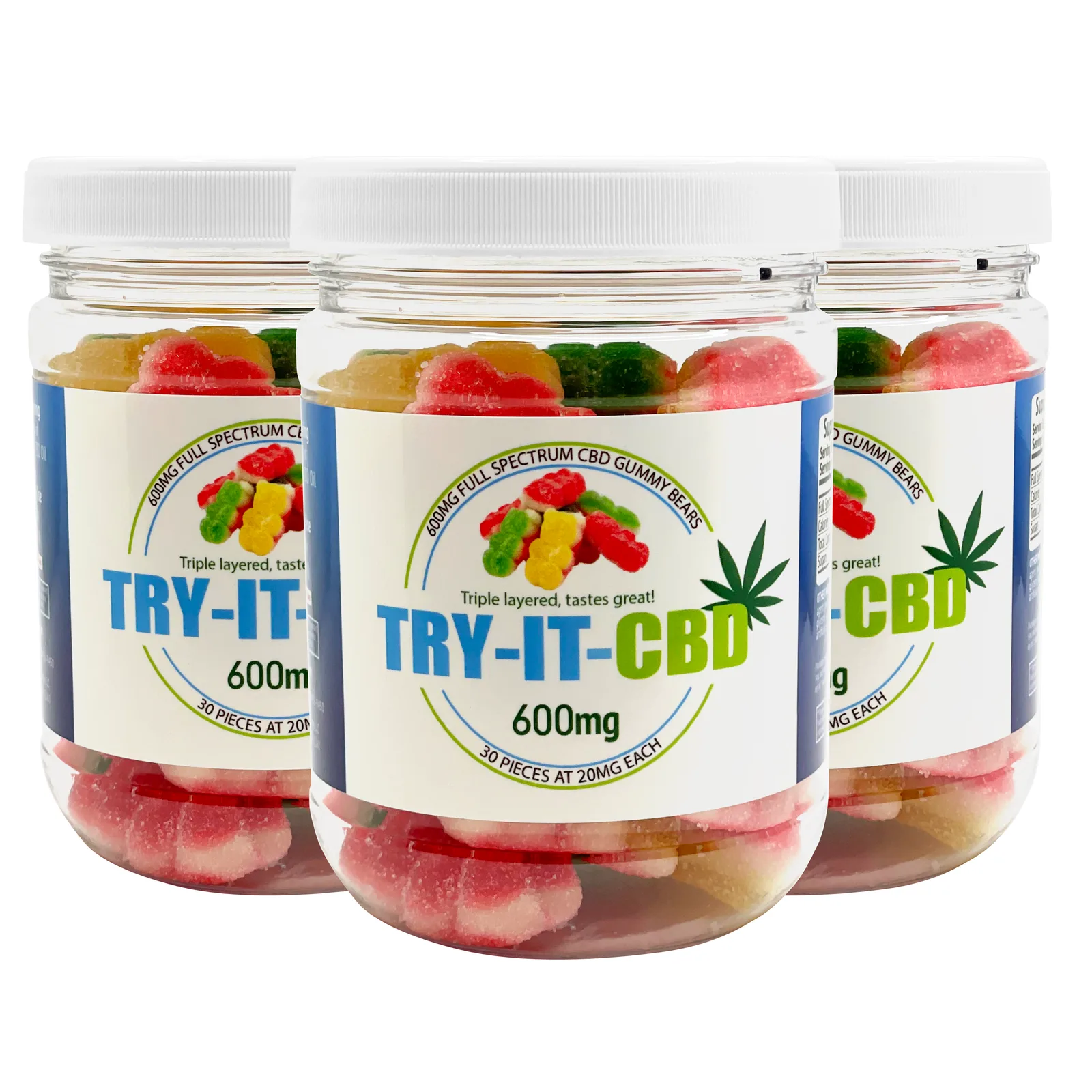
How you take CBD matters. Different delivery methods work better for different types of neuropathic pain.
Topical CBD (creams, salves, roll-ons): Best for localized nerve pain in specific areas like feet, hands, or legs. You apply directly to the painful area, and the CBD absorbs through your skin.
CBD tinctures and oils: Better for widespread neuropathic pain because they enter your bloodstream and affect your whole nervous system.
CBD gummies: Convenient for daily maintenance, though they take longer to kick in (1-2 hours vs. 15-30 minutes for topicals).
If your pain is in your feet or hands, TRY-IT-CBD’s 2000mg Full Spectrum CBD Roll On is worth trying. It combines CBD with arnica, eucalyptus, and other botanicals specifically designed for pain relief. You roll it on the affected area, and it starts working within 20-30 minutes. Full-spectrum CBD means you get the whole plant profile, which research suggests works better than isolates for pain.
Full-Spectrum vs. Broad-Spectrum vs. Isolate for Neuropathic Pain
This matters more than most people realize.
Full-spectrum: Contains CBD plus all other cannabinoids and plant compounds from the hemp plant. This “entourage effect” means the compounds work together better. For neuropathic pain, this is usually most effective.
Broad-spectrum: Has CBD and other compounds but THC is removed. Good middle ground if you want benefits without any psychoactive effects.
Isolate: Pure CBD only. Effective, but often less powerful than full-spectrum for pain management because you lose the synergistic benefits of other compounds.
For neuropathic pain specifically, research supports full-spectrum or broad-spectrum over isolates. This is why TRY-IT-CBD emphasizes full-spectrum options—they’re not cutting corners.
How to Get Started with CBD for Neuropathic Pain
If you’re new to CBD, start low and go slow. Your nervous system needs time to adjust, and individual responses vary wildly.
Step 1: Choose your delivery method. Topical for localized pain, tincture for systemic pain, or gummies for daily support.
Step 2: Start with a low dose. You can always take more tomorrow. You can’t undo too much today.
Step 3: Give it time. You might feel relief within days, or it might take 2-3 weeks. Your body adapts gradually.
Step 4: Track what happens. Write down your pain levels, timing, and what works. This helps you dial in the best approach.
Step 5: Talk to your doctor. Especially if you’re on other medications. CBD can interact with certain drugs, and your healthcare provider should know you’re trying it.
The brands that do this right—like TRY-IT-CBD—include third-party testing reports so you know exactly what you’re getting. No guessing. No mystery ingredients. Just transparency.
What to Watch Out For
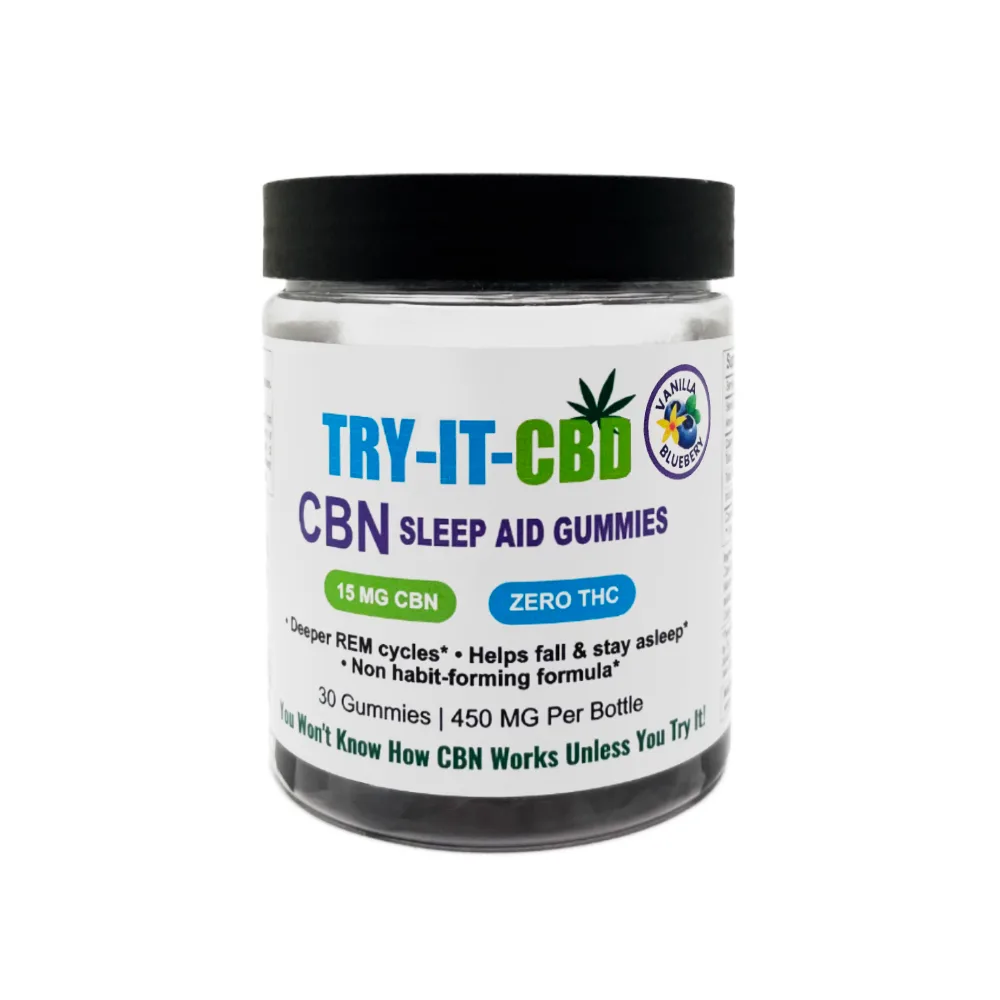
Not all CBD products are created equal. The industry is largely unregulated, which means some companies are selling garbage.
Red flags:
- No third-party testing or lab reports
- Claims CBD is a cure-all (it’s not)
- Suspiciously cheap prices
- No information about the extraction method or source
- Products labeled as “hemp oil” instead of CBD (they’re different)
Good CBD companies tell you where their hemp comes from, how it’s extracted, what’s in it, and have independent lab results backing it up. That’s what you should expect.
CBD + Other Treatments: Should You Combine Them?
CBD works best as part of a bigger strategy, not a replacement for everything else.
Good combinations include:
- CBD topicals + physical therapy for nerve pain
- CBD tinctures + dietary changes that reduce inflammation
- CBD + prescribed medications (with your doctor’s approval)
- CBD + exercise and stretching
The key is that you’re attacking the problem from multiple angles. CBD handles the nerve signaling and inflammation, while physical therapy and lifestyle changes address the root cause and rebuild nerve function over time.
Real Talk: Will CBD Cure Your Neuropathic Pain?
Probably not completely. But it can reduce your pain significantly, improve your sleep, lower inflammation, and help you function better day-to-day.
Most people report 30-60% pain reduction. Some people get more, some get less. It depends on the cause of your neuropathy, the severity, how long you’ve had it, and how your individual body responds to CBD.
But here’s what matters: if traditional treatments aren’t cutting it or the side effects are brutal, CBD is worth trying. The research supports it, the safety profile is solid, and thousands of people have found real relief.
Start with a quality product that’s been third-party tested. Give it time. Track your results. Adjust your dose as needed. And talk to your doctor about it. That’s the honest approach to seeing whether CBD is right for your neuropathic pain.
Where to Find Quality CBD Products
If you’re ready to try this, don’t buy random stuff from gas stations or unmarked websites. Go with brands that actually care about quality.
TRY-IT-CBD is vertically integrated, which means they grow their own hemp, extract their own CBD, and test everything in-house plus with third-party labs. You can actually see the lab reports. You know what you’re getting. No mystery, no surprise contaminants, no false promises.
Whether you go with TRY-IT-CBD or another reputable brand, make sure you can answer these questions:
- Can I see the lab report?
- Where does the hemp come from?
- How is it extracted?
- What’s the full ingredient list?
- How much CBD is actually in this product?
If a company won’t answer these questions, that’s your signal to shop elsewhere.
Is CBD legal for neuropathic pain?
In the US, hemp-derived CBD with less than 0.3% THC is legal at the federal level. However, state and local laws vary, so check your local regulations. If THC-containing products are recommended, those are illegal in many states. Always verify before purchasing.
How long does it take for CBD to help neuropathic pain?
Topical products like roll-ons can work within 20-30 minutes. Tinctures typically kick in within 30 minutes to 1 hour. Gummies take longer, usually 1-2 hours. For systemic improvement in nerve pain, you might need 2-3 weeks of consistent use as your body adjusts. Be patient—it’s not like popping an aspirin.
Can I use CBD with my other pain medications?
That’s a question for your doctor or pharmacist, not the internet. Some medications interact with CBD, others don’t. Your healthcare provider can check your specific medications and give you the green light or flag any concerns. Don’t guess on this one.
Does CBD work better than THC for neuropathic pain?
Not exactly. THC typically provides stronger pain relief than CBD alone, but it also gets you high and isn’t legal everywhere. CBD offers real benefits with no psychoactive effects, making it a practical option for people who want relief without the high. Many people find the combination (where legal) works best, but CBD alone is a solid starting point.


