

CBD for Muscle Tension: What Works & How to Use It
September 24, 2026
Best CBD + CBN Tinctures for Sleep 2026: Top 5 Ranked
September 26, 2026

If you’re an athlete looking to optimize recovery without relying solely on ice baths and foam rolling, CBD is worth your attention. Research shows that CBD may help with inflammation, pain management, better sleep, and post-workout anxiety—all things that directly impact how fast you bounce back from training and competition.
Thank you for reading this post, don't forget to subscribe!
The catch? It’s not a magic pill. But it’s becoming a legit part of many serious athletes’ recovery toolkits. Let’s break down what actually works, what the science says, and how to use it responsibly.
Related: CBD vs THC for Anxiety: Which Works Better?
Related: CBD for Focus: How It Works & What to Expect
Related: CBD for Muscle Tension: What Works & How to Use It
Why Athletes Are Turning to CBD
Your body takes a beating when you train hard. Muscle soreness, inflammation, poor sleep, and mental fatigue pile up. Traditional recovery methods—ice, compression, stretching—work, but they’re incomplete.
CBD addresses recovery from a different angle. It may reduce inflammation without the side effects of NSAIDs like ibuprofen, help you fall asleep faster and sleep deeper, ease muscle and joint discomfort, and calm the nervous system so your body can actually rest and rebuild.
Athletes in endurance sports, contact sports, and strength training are especially interested because recovery is where gains happen. You don’t get stronger during the workout—you get stronger when you recover.
What the Science Actually Says About CBD for Athletes
Let’s be real: the research is still early. A 2023 study by D. Rojas-Valverde published in Frontiers in Sports and Active Living found that CBD shows promise for pain relief, inflammation reduction, and sleep improvement in athletic contexts. But scientists agree we need more rigorous clinical trials before claiming CBD is a proven performance enhancer.
Here’s what research supports so far:
- Anti-inflammatory properties: CBD may reduce swelling and inflammatory markers without the GI side effects of traditional pain medication
- Sleep quality: CBD can reduce the time it takes to fall asleep and improve sleep continuity, which is critical for muscle recovery and hormone balance
- Pain management: CBD may ease acute muscle soreness and chronic joint discomfort
- Anxiety reduction: Lower pre-competition anxiety means better focus and steadier performance
- Neuroprotection: Early evidence suggests CBD may protect nerve tissue from impact injuries
The reality is that most athletes aren’t using CBD as a performance booster—they’re using it as a recovery tool. Better sleep plus less inflammation equals faster healing. That’s the appeal.
Is CBD Legal for Athletes?
Here’s good news: the World Anti-Doping Agency (WADA) removed CBD from its prohibited substances list. That means if you’re competing at high levels, CBD is permitted.
However—and this is important—other cannabinoids like THC are still banned. If you use a full-spectrum product, make sure it contains less than 0.3% THC (the federal limit) and that it’s been third-party tested.
Always check your specific sport’s rules too. Different federations sometimes have their own guidelines. When in doubt, ask your coach or consult your team’s medical staff.
How Athletes Use CBD: Practical Formats That Work
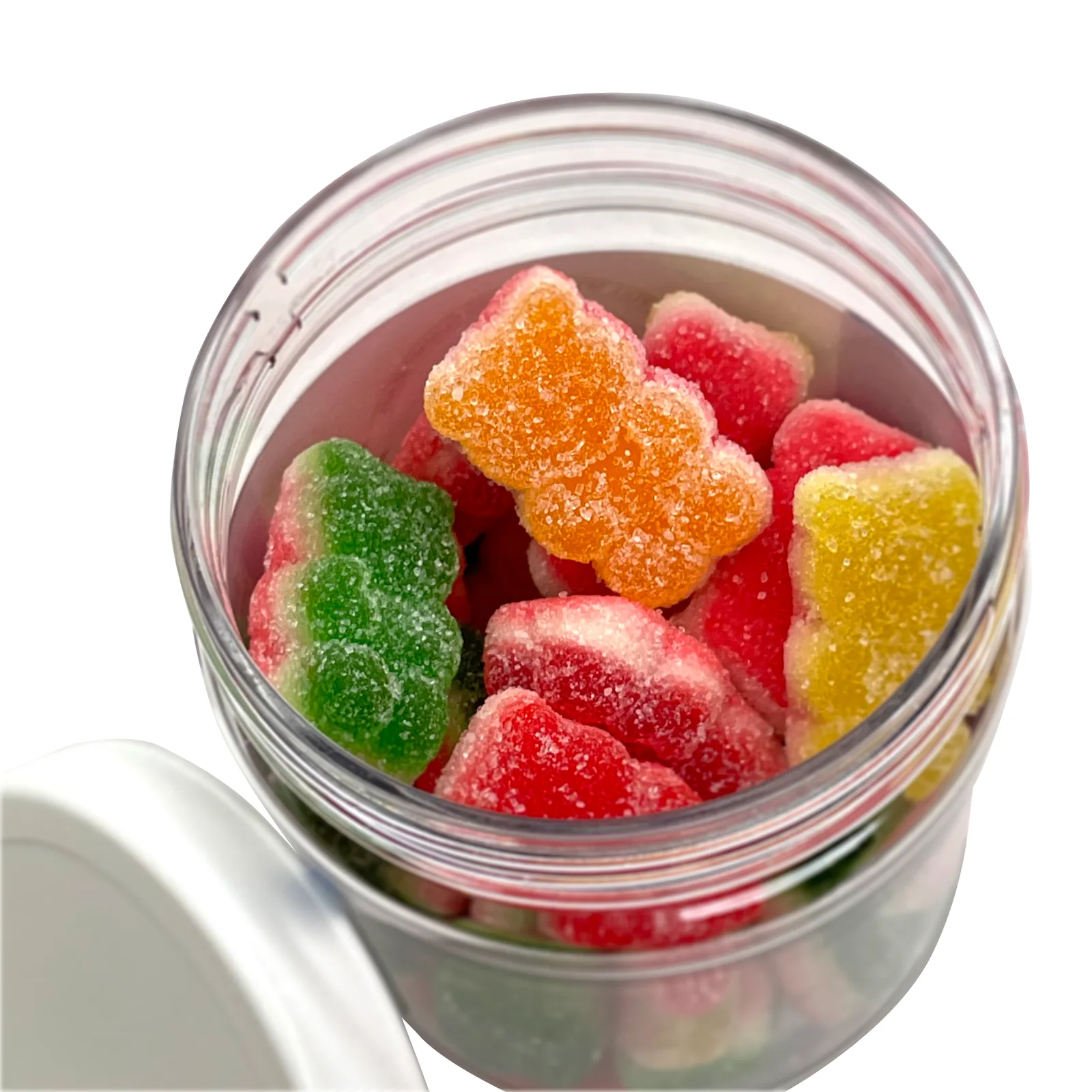
CBD comes in different forms, and not all are equally useful for athletes:
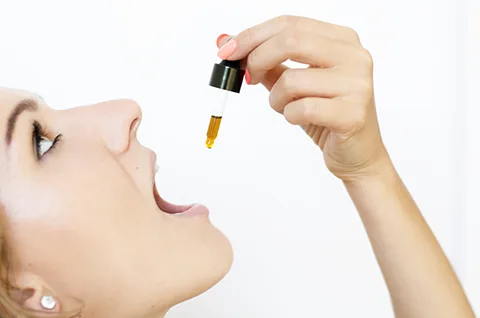
- Tinctures (under the tongue): Fast onset, easy to dose, good for daily recovery support
- Gummies: Convenient, discreet, best for nighttime or consistent daily use
- Topicals (roll-ons, salves, sprays): Target specific joints and muscles directly—this is where topical CBD shines for athletes
- Sleep aid gummies: Formulated specifically to help you fall asleep faster and stay asleep longer
For localized soreness—tight shoulders, sore knees, lower back tightness—a quality topical like TRY-IT-CBD’s full-spectrum roll-on with arnica and eucalyptus lets you apply CBD exactly where you need it. Arnica and eucalyptus have been used for decades in sports medicine, and combined with CBD, they work synergistically to ease inflammation and discomfort.
For whole-body recovery and sleep, an oral product (tincture or gummy) makes more sense because it affects systemic inflammation and nervous system function.
Finding High-Quality CBD as an Athlete
Not all CBD products are created equal. If you’re spending money and hoping for results, you need quality.
Here’s what to look for:
- Third-party testing: Independent labs should verify potency and purity. No shortcuts here
- Full-spectrum or broad-spectrum: These contain other cannabinoids and plant compounds that work together (the “entourage effect”). Isolate works for some people, but research suggests full-spectrum is more effective
- Transparent sourcing: You should know where the hemp comes from and how it’s processed
- No synthetic additives: Skip products with fillers, artificial flavors, or mystery ingredients
- Lab reports publicly available: Reputable brands post their test results online
Brands like TRY-IT-CBD are vertically integrated, meaning they grow, produce, and test their own CBD products. That control over the entire supply chain is how they maintain quality and transparency.
Dosing CBD as an Athlete: Start Low
There’s no universal “athlete dose.” Your ideal amount depends on body weight, metabolism, the severity of your symptoms, and the product format.
A general starting point: 5-10 mg per day for a few weeks, then adjust based on how you feel. Some athletes use up to 30-50 mg daily for serious inflammation or sleep issues.
For topicals, just apply directly to the sore area—you can’t overdose on a roll-on.
Keep a simple log: date, dose, product type, and how you felt that day. After 2-3 weeks, you’ll know if it’s working for you. If not, try a different format or brand. Everyone’s endocannabinoid system is slightly different.
When to Take CBD for Athletic Recovery
Timing matters. Most athletes find these windows work best:
- Post-workout: Apply a topical roll-on within 30-60 minutes to help with immediate inflammation and soreness
- Evening (2-3 hours before bed): Take a sleep-focused gummy or tincture to improve sleep quality—this is when recovery hormones peak
- Consistent daily use: For chronic issues (recurring shoulder pain, ongoing joint stiffness), consistent daily dosing works better than sporadic use
CBD isn’t fast-acting like an ibuprofen. It works best with consistent use over weeks, not days.
Combining CBD With Other Recovery Methods
CBD isn’t a replacement for the basics: proper nutrition, hydration, stretching, strength work, and sleep. It’s a complement.
Think of it this way: if recovery is a puzzle, CBD is one important piece. Sleep is another. Protein intake. Active recovery. Stress management. They all matter.
The athletes getting the best results typically use CBD alongside smart training, good nutrition, and intentional rest days. CBD amplifies the effect of everything else you’re already doing right.
Potential Side Effects and Considerations
CBD is generally well-tolerated, but some people experience:
- Mild drowsiness (actually useful if you’re taking it before bed)
- Dry mouth
- Appetite changes
- Diarrhea (usually at very high doses)
- Interaction with certain medications (ask your doctor if you’re on blood thinners or other meds)
The side-effect profile is dramatically better than NSAIDs or other pain medications. Most athletes using quality CBD report zero side effects.
One more thing: if you’re drug tested in your sport, confirm the product contains less than 0.3% THC and request a certificate of analysis. Zero risk is better than tiny risk.
Real-World Example: How Endurance Athletes Use CBD
Let’s say you’re a runner training for a marathon. Your knees take a beating. A topical CBD roll-on applied after long runs helps with inflammation without the stomach upset of constant ibuprofen. At night, a CBD sleep gummy helps you fall asleep faster and sleep deeper—which accelerates muscle recovery. Over 12 weeks of training, that compounded recovery advantage adds up. You feel fresher on harder workout days. Your body handles the mileage better.
That’s not magic. That’s biology. Better sleep plus reduced inflammation equals better adaptation to training stimulus.
If you’re serious about trying this, start with a tested, transparent product from TRY-IT-CBD and give it 3-4 weeks before deciding if it works for your recovery.
FAQ: Common Questions About CBD for Athletes
Does CBD actually improve athletic performance?
Not directly. CBD doesn’t increase strength, speed, or endurance. What it does is improve recovery, which indirectly supports better training adaptations. Think of it as a recovery accelerator, not a performance enhancer. Over time, faster recovery can lead to more consistent training, which does improve performance.
Related: Best CBD for Runners: Recovery & Performance Support
Can I take CBD before competition?
You can, but most athletes don’t. CBD takes time to work, and pre-competition is not when you want to experiment. However, if you’ve been using CBD consistently for recovery, there’s no harm in taking it the morning of an event for anxiety management. Just don’t use it as a last-minute supplement—stick with your tested routine.
Is full-spectrum CBD better than isolate for athletes?
Research suggests yes. Full-spectrum contains other cannabinoids, terpenes, and plant compounds that work together synergistically (the entourage effect). For athletic recovery, full-spectrum typically delivers better results than isolate. Just make sure THC is below 0.3% and the product is third-party tested.
How long does it take to feel CBD’s effects?
Topicals work within 15-45 minutes. Oral products (gummies, tinctures) take 30-90 minutes on an empty stomach, longer with food. But for recovery benefits like improved sleep and reduced inflammation, you typically need 2-4 weeks of consistent use before noticing a real difference. Be patient and consistent.


