

Best CBD + CBN Tinctures for Sleep 2026: Top 5 Ranked
September 26, 2026
How Much CBN for Sleep: Dosage Guide & Tips
September 28, 2026

If you’re curious about CBD for women, here’s the straight answer: CBD interacts with your body’s endocannabinoid system to potentially ease stress, pain, sleep problems, and hormonal shifts like menopause and PMS. But not all CBD products are created equal, and there are some real things to know before you start.
Thank you for reading this post, don't forget to subscribe!
Women are turning to CBD in bigger numbers than ever—and for good reasons. Whether you’re dealing with hot flashes at 50, anxiety at 35, or period pain at 25, CBD might be worth exploring. The catch? You need to be smart about it. Let’s break down what the research actually says, what you should watch out for, and how to pick a quality product that’ll actually work.
Why Women Are Turning to CBD
Your body has an endocannabinoid system (ECS). Think of it as your internal balance keeper. It helps regulate mood, sleep, pain, inflammation, and even hormones. When things get out of whack—whether it’s stress, irregular periods, or menopause hitting hard—your ECS can use some support.
Related: CBD Side Effects: What You Need to Know
Related: Is CBD Safe? What You Need to Know in 2026
Related: CBD Properties: What You Need to Know in 2026
CBD doesn’t get you high, but it does interact with your ECS in ways that matter for your wellness. Research suggests it may help with several issues that hit women especially hard:
- Menopause symptoms: Hot flashes, night sweats, mood swings, and sleep disruption are brutal. Early research hints CBD might ease these.
- PMS and period pain: CBD’s anti-inflammatory and pain-relieving potential could take the edge off cramping and mood changes.
- Stress and anxiety: Women report higher anxiety rates than men, and CBD may help calm your nervous system.
- Sleep issues: Whether it’s racing thoughts or physical discomfort keeping you awake, CBD might help you rest deeper.
- Chronic pain: Joint pain, migraines, muscle tension—CBD’s pain-relief properties could be a game-changer.
The real appeal? These benefits don’t require a prescription, have way fewer side effects than many medications, and work with your body’s natural systems rather than against them.
How CBD Actually Works in Your Body
CBD works by acting on your endocannabinoid system, which is basically your body’s internal tuning system. Your brain, nervous system, immune system, and reproductive organs all have CB1 and CB2 receptors that respond to cannabinoids.
Here’s what happens when you take CBD: it doesn’t directly bind to these receptors like THC does. Instead, it modulates them, meaning it kind of nudges your system toward balance. Research published by the National Institutes of Health shows CBD influences serotonin pathways, which affect mood and anxiety. It also has anti-inflammatory properties, which is why so many women use it for pain.
There’s one more thing specific to women: CBD may function as an aromatase inhibitor. That’s a fancy way of saying it might affect how much estradiol (a form of estrogen) your body produces. This could be relevant if you’re dealing with hormonal changes or planning pregnancy, so it’s worth discussing with your doctor.
CBD for Specific Women’s Health Concerns
Let’s get real about what CBD might help with, based on what research and users report.
Menopause and Hot Flashes
Hot flashes are no joke. They disrupt sleep, kill your focus, and make you feel like you’re losing your mind. Some women report that CBD helps reduce the frequency and intensity of hot flashes, plus it supports better sleep—which makes everything feel more manageable.
The research isn’t huge yet, but women in menopause are finding relief with consistent CBD use. The key is patience; CBD isn’t a quick fix. You might need 2-4 weeks of regular use to notice real changes.
PMS and Period-Related Pain
Period pain is inflammation plus muscle tension plus hormonal mood swings, all wrapped into a terrible package. CBD’s anti-inflammatory and muscle-relaxing properties could genuinely help. Some women take CBD tinctures or roll-ons on the days when cramps are worst.
If you get PMS mood changes too—irritability, sadness, anxiety—CBD’s potential to support emotional balance might ease that side of things.
Sleep and Night Sweats
If menopause, anxiety, or chronic pain is wrecking your sleep, this matters. TRY-IT-CBD offers sleep-specific CBD products designed to help you fall asleep and stay asleep without the grogginess of sleeping pills.
Night sweats are especially rough because they wake you up soaking wet. CBD may help by easing anxiety and supporting your body’s temperature regulation through the ECS.
Anxiety and Stress
Women are twice as likely as men to experience anxiety disorders. CBD won’t cure anxiety, but it may help you feel calmer and more grounded. Many women use CBD daily as part of their stress management routine, especially during high-pressure periods.
Dosing CBD for Women: Start Low and Go Slow
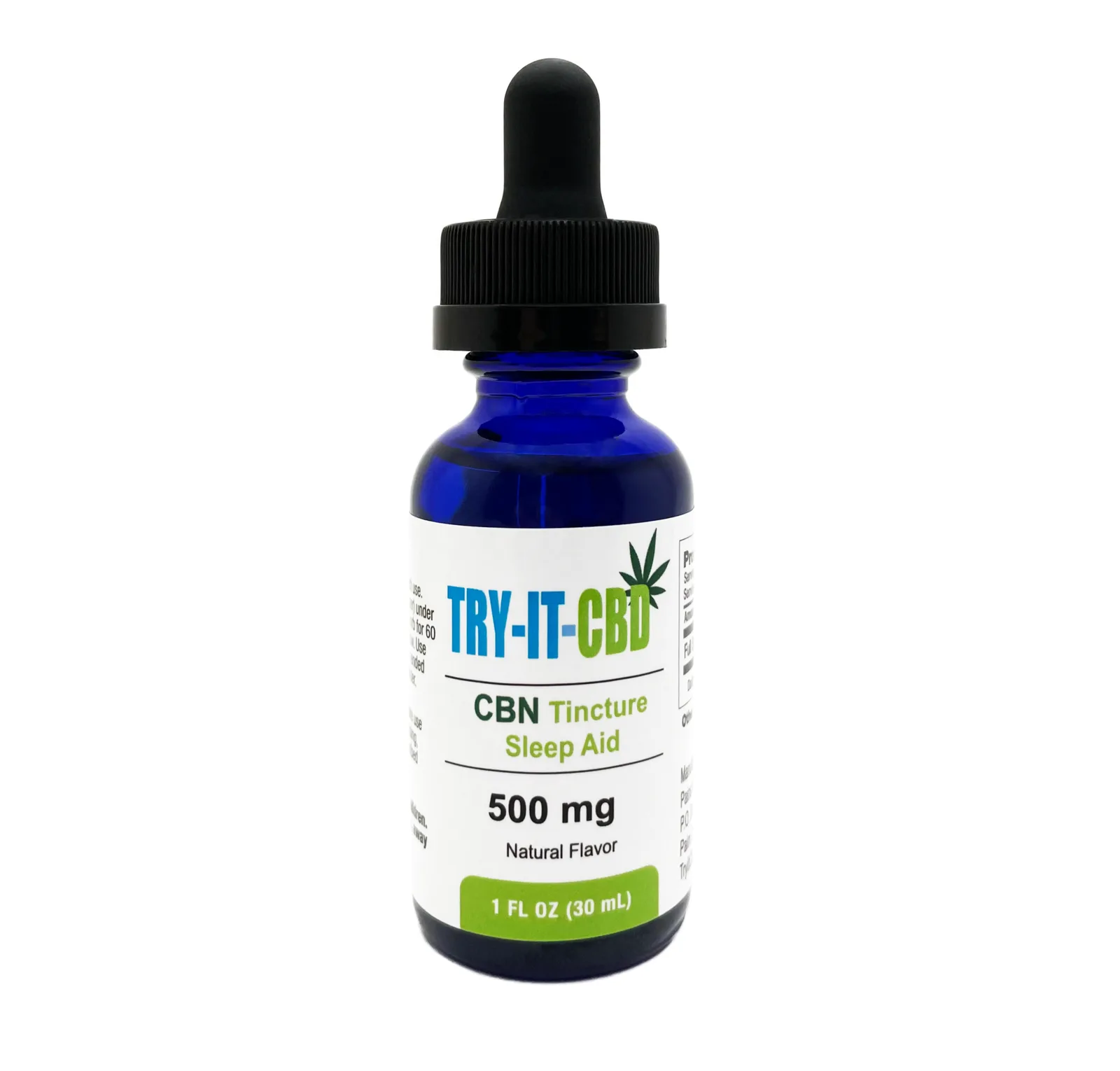
Here’s where a lot of people mess up: they buy random CBD, take a random amount, and wonder why nothing happens. Dosing matters.
There’s no one-size-fits-all dose because everyone’s body is different. Body weight, metabolism, the severity of what you’re treating, and even what you ate that day affect how CBD works in your system. Start with 10-20mg per day and increase gradually every 3-5 days until you hit your sweet spot.
Most women find relief in the 20-50mg daily range, but some need more or less. Keep a simple journal of what you take and how you feel. After a few weeks, you’ll have a clear picture of what works for you.
Quality matters here too. A cheap, untested CBD product might have way less CBD than it claims—or worse, contaminants. When you’re looking for products to try, make sure they’ve got third-party testing and come from a brand that actually cares about what goes into their bottles.
Important Cautions and Side Effects
CBD is generally safe, but it’s not risk-free. Here’s what you need to know:
- Drug interactions: CBD can interfere with medications, especially blood thinners, seizure meds, and anything metabolized by your liver. If you’re on any prescription, talk to your doctor before starting CBD.
- Pregnancy concerns: CBD might affect how your body prepares for pregnancy. If you’re planning to get pregnant, discuss this with your OB/GYN before use.
- Side effects: Some women report dry mouth, diarrhea, reduced appetite, drowsiness, or fatigue, especially at higher doses.
- Quality issues: The CBD market is largely unregulated. Some products contain way less CBD than advertised, and some contain contaminants. Always verify third-party testing.
The bottom line: CBD is worth trying for most women, but it’s not a substitute for medical advice. If you’ve got complex health stuff going on, check with your doctor first.
How to Choose Quality CBD Products
Not all CBD is equal. Here’s your checklist:
- Third-party testing: The product should be tested by an independent lab, not just the company that makes it. Results should be posted on their website.
- Full-spectrum vs. broad-spectrum vs. isolate: Full-spectrum has all the cannabinoids and terpenes from the plant, which many people find most effective. Broad-spectrum removes THC. Isolate is pure CBD. For most women, full-spectrum is worth trying first.
- Transparent sourcing: You should know where the hemp came from and how it was grown.
- Clear dosing: The label should tell you exactly how much CBD is in each serving.
- Brands that actually care: Look for companies with real customer service, educational content, and a genuine commitment to quality. TRY-IT-CBD is vertically integrated, meaning they control every step from production to testing to delivery, so you get consistent quality every time.
CBD Products Worth Considering
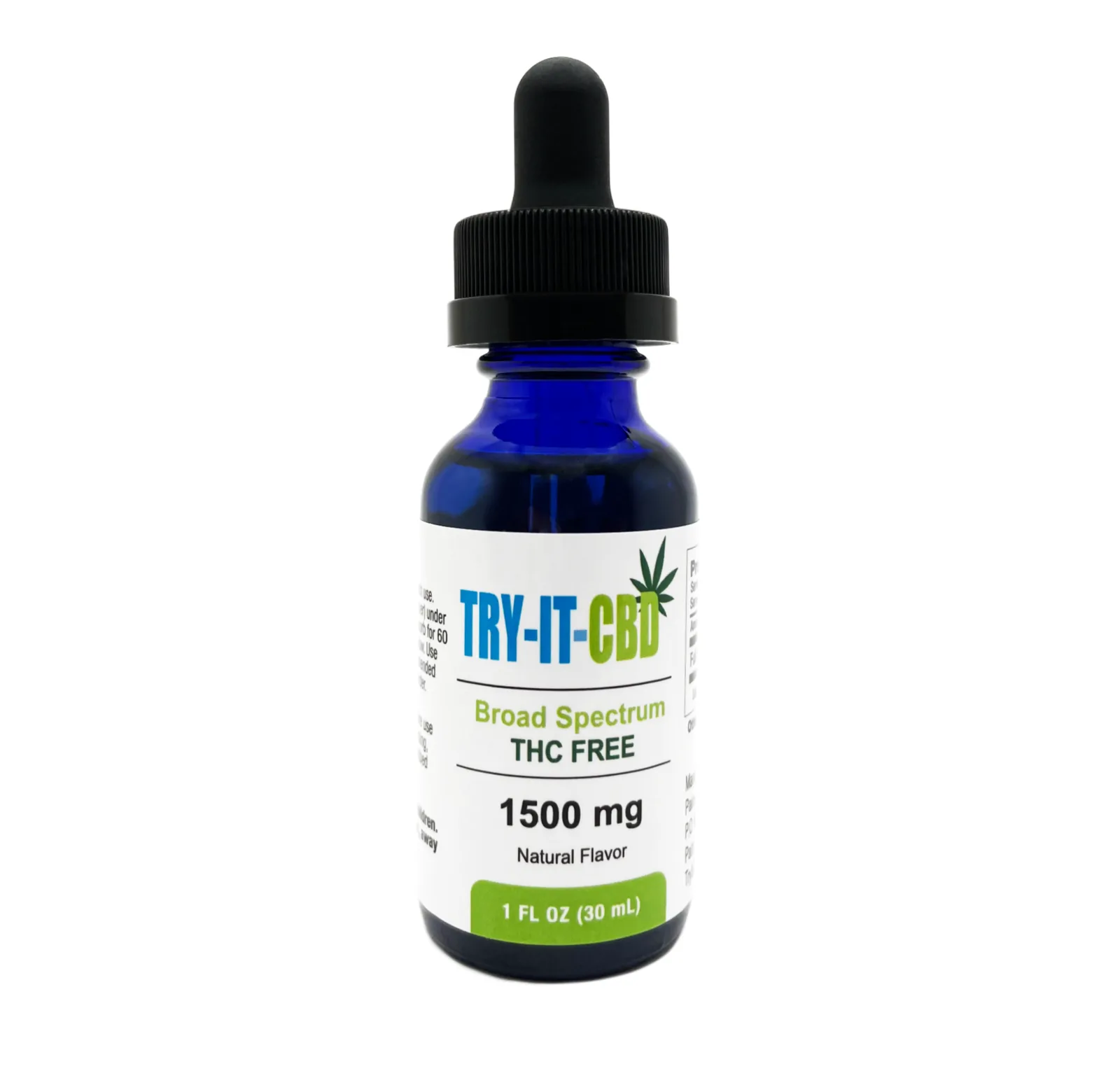
Different delivery methods work for different situations.
Tinctures: Drop them under your tongue for fast absorption (15-30 minutes). Great for anxiety, stress, or sleep support. Easy to dose precisely.
Gummies: Tasty and convenient, but take longer to kick in (30-90 minutes) since they’re processed through digestion. Better for all-day support than quick relief.
Roll-ons and topicals: If you’re dealing with localized pain—joint pain, muscle tension, migraines—a topical CBD product is your answer. TRY-IT-CBD’s 2000mg Full Spectrum CBD Roll On with arnica, eucalyptus, and other plant extracts is their #1 seller for a reason. Roll it on sore joints, tight shoulders, or anywhere pain is hanging out, and the combination of CBD plus complementary botanicals works to reduce inflammation and ease tension. It’s fast-acting and doesn’t involve swallowing anything.
For women, topicals are especially popular because you can target specific problem areas without affecting your whole system.
Real Talk: When to See a Doctor Instead
CBD is great, but it’s not a cure-all. If you’re experiencing severe menopause symptoms, intense anxiety, or chronic pain that’s affecting your quality of life, a healthcare provider can help you explore all your options—including CBD alongside other treatments.
If you’re on medications, pregnant, nursing, or have any serious health conditions, get professional guidance before starting CBD. Your body is unique, and your doctor knows your medical history.
That said, many women find that CBD fits beautifully into a holistic wellness routine alongside exercise, good sleep habits, stress management, and a solid diet. It’s one tool in your toolkit, not the whole toolkit.
Getting Started with CBD for Women
Ready to try it? Here’s your action plan:
- Talk to your doctor, especially if you’re on any medications or dealing with hormonal concerns.
- Pick a brand you trust. Look for third-party testing, transparency, and actual customer reviews.
- Start with a low dose (10-20mg) and increase slowly.
- Give it 2-4 weeks of consistent use before deciding if it’s working for you.
- Keep notes on how you feel, sleep, pain levels, and mood.
- Adjust your dose based on what you learn about your body.
The tagline says it all: you won’t know how CBD works unless you try it. And for women looking for a natural way to support sleep, ease pain, manage stress, or navigate hormonal changes, CBD is absolutely worth the experiment.
What’s the difference between full-spectrum and broad-spectrum CBD?
Full-spectrum contains all the cannabinoids, terpenes, and plant compounds from the hemp plant, including trace amounts of THC (less than 0.3%, which won’t get you high). It’s often called the “entourage effect” because all these compounds work together to enhance CBD’s benefits. Broad-spectrum is similar but with THC removed. Isolate is pure CBD with nothing else. For most women, full-spectrum offers the most complete benefits, but if you’re worried about any THC, broad-spectrum is a solid alternative.
Can CBD interact with birth control?
Possibly. CBD can affect liver enzymes that metabolize hormonal birth control, which theoretically could reduce its effectiveness. If you’re on hormonal birth control, mention CBD to your doctor or gynecologist before starting. They can help you figure out if it’s safe for your situation or if timing/dosing adjustments are needed.
How long does it take to feel CBD’s effects?
It depends on the product and what you’re treating. Tinctures under the tongue work fastest (15-30 minutes), while gummies take 30-90 minutes. For things like sleep or anxiety, you might need a few days of consistent use before you notice real changes. For pain relief, some women feel it within hours, others need a week or two. Patience is key.
Is CBD safe to use long-term?
Most research suggests CBD is safe for long-term use, but studies are still ongoing. The biggest concerns are drug interactions and the fact that the CBD market is unregulated, so product quality varies wildly. If you’re planning to use CBD consistently, stick with brands that do third-party testing and are transparent about their sourcing and production. Talk to your doctor about long-term use, especially if you have liver issues or take multiple medications.


