

CBD for Women: Benefits, Dosing & What You Need to Know
September 27, 2026
Best CBD for Sore Muscles 2026: Top 5 Products Ranked
September 29, 2026

If you’re thinking about trying CBN for sleep, the honest answer is: start small and listen to your body. Most people find that 2 to 5 mg of CBN at bedtime is a good starting point, with an effective range landing somewhere between 5 and 20 mg. But there’s way more nuance to this than just picking a number, and we’re going to walk through it.
Thank you for reading this post, don't forget to subscribe!
What’s the Right CBN Dosage for Sleep?
Here’s the straightforward version: there’s no one-size-fits-all answer because everyone’s body is different. That said, research and user feedback give us some solid guidance.
Start low: Begin with 2 to 5 mg about an hour before bed. This lets you see how your body responds without overdoing it. Most people won’t feel much at this dose, and that’s okay—it’s your baseline.
The sweet spot: Most users report noticing effects between 5 and 20 mg. If the starting dose doesn’t help after a week or two, bump it up by 2 to 5 mg and see what happens.
Higher doses: Some people need 10 to 50 mg to feel a difference. A small clinical study found that 20 mg of CBN reduced nighttime waking and sleep disturbances in participants, though it didn’t improve overall sleep quality across the board. Everyone’s different—genetics, body weight, metabolism, and even what you ate that day all play a role.
Understanding CBN: What It Actually Does
CBN (cannabinol) is one of over 100 cannabinoids found in hemp plants. It’s not the same as CBD, and it’s definitely not THC (the stuff that gets you high). CBN was actually discovered almost 100 years ago, but only in the last few years has it become a trendy sleep supplement.
Here’s what makes CBN interesting for sleep: it was originally noticed when combined with THC in cannabis, creating what users described as a “mellower, drowsier” effect. That reputation stuck around, and now people are studying it on its own.
Related: CBN for Sleep: Does It Really Work? Complete Guide
The reality? The science is still young. Research databases like PubMed show limited clinical evidence, meaning most recommendations are based on small studies and user reports rather than large-scale trials. That doesn’t mean it doesn’t work—it just means we need to be honest about what we know and don’t know.
How to Take CBN for Sleep: Timing & Delivery
Timing matters more than you’d think. Take your CBN dose about an hour before bed. This gives it time to work through your system and ideally kick in when you’re ready to sleep.
Tinctures are the most common delivery method. You drop the liquid under your tongue, hold it for 30 seconds, and swallow. They’re easy to dose precisely, and you get faster absorption than with gummies or capsules.
When shopping for CBN products, look at the Certificate of Analysis (COA). This third-party test tells you exactly what’s in the bottle—how much CBN, whether it’s full-spectrum or isolate, and if there are any contaminants. Full-spectrum products contain CBN plus other cannabinoids and plant compounds, which some people find more effective. Isolates are pure CBN with nothing else.
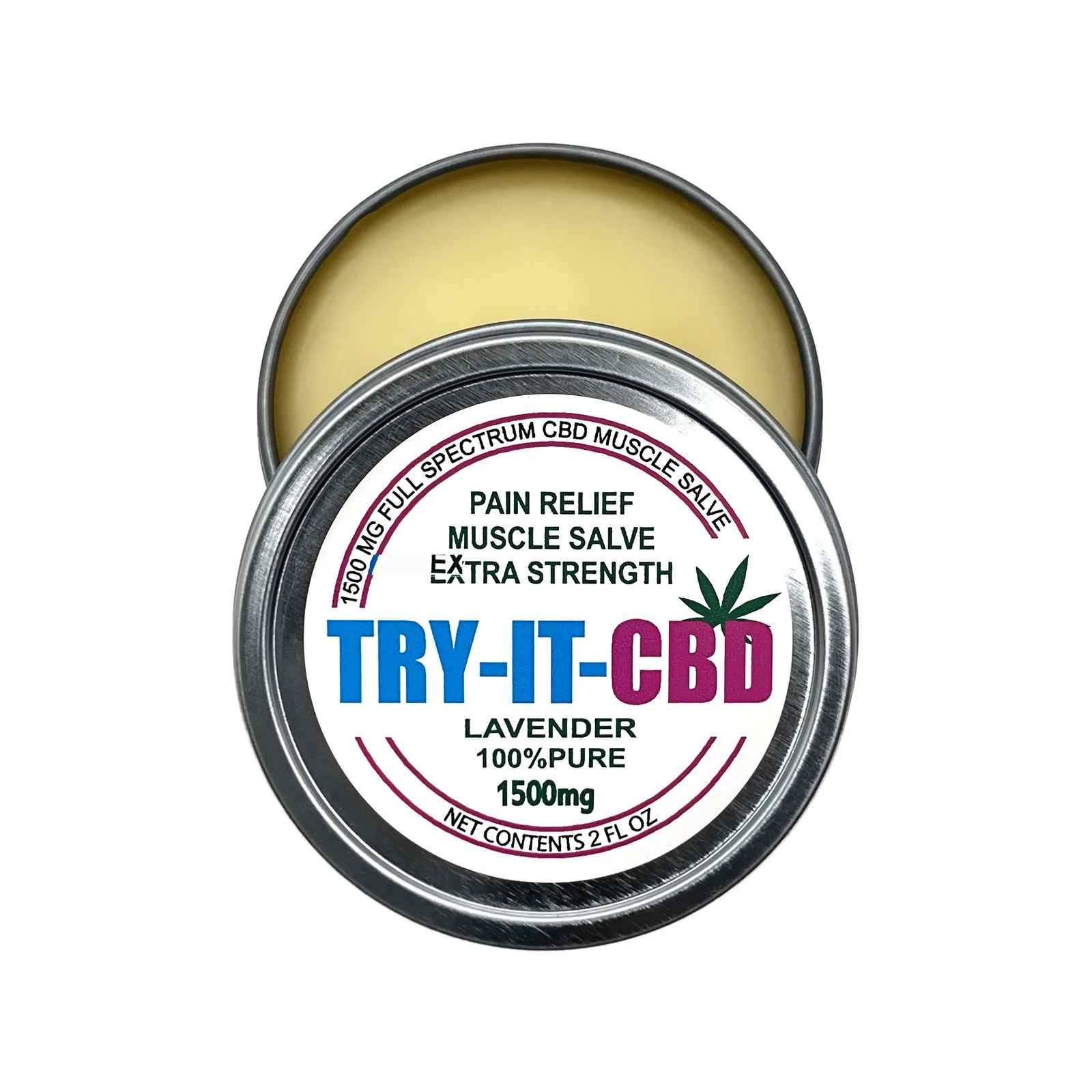
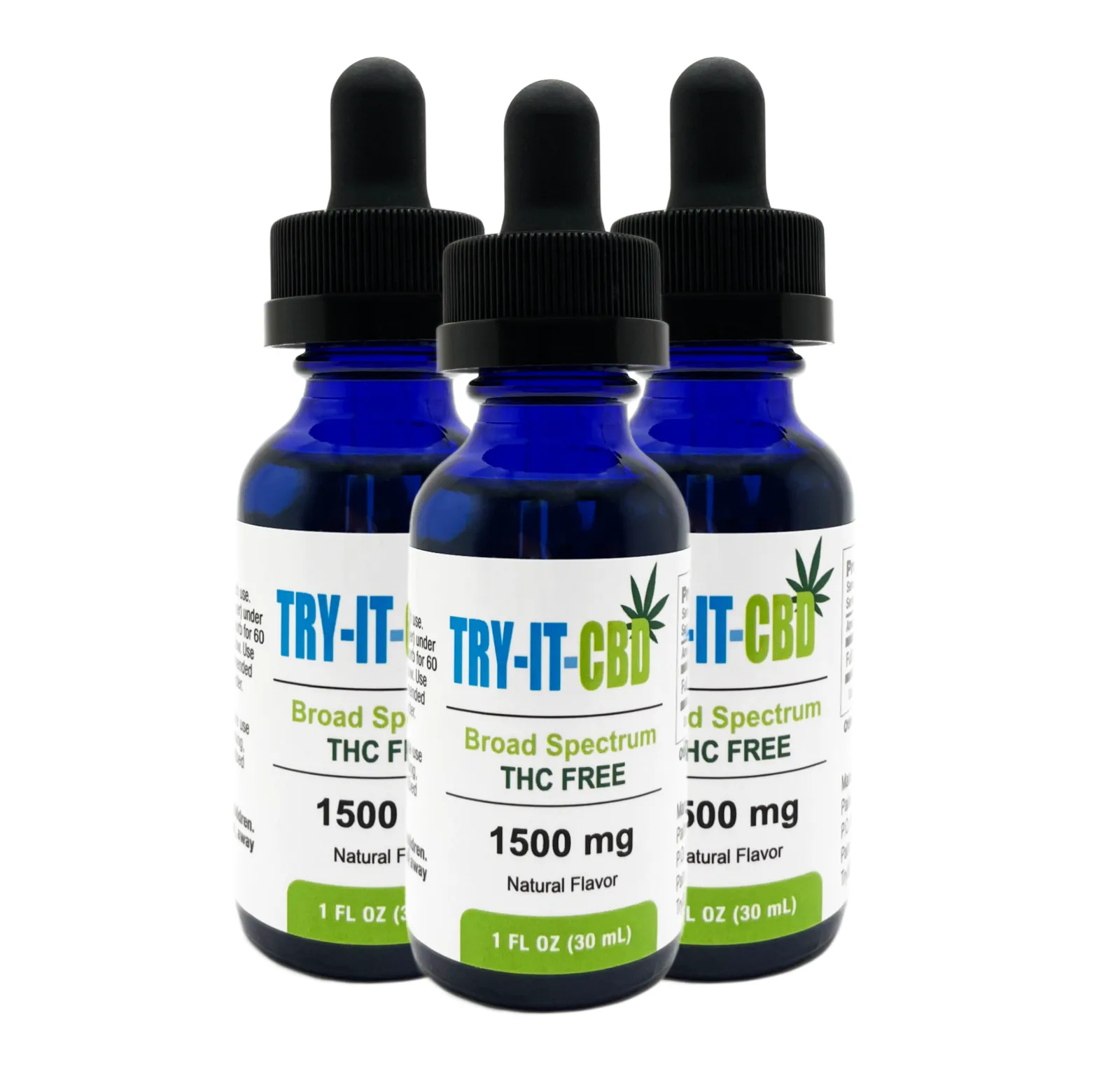
If you’re exploring sleep support options, TRY-IT-CBD offers high-quality full-spectrum and isolate CBD products that many customers use alongside sleep routines. Their transparency around testing and sourcing makes it easier to know exactly what you’re taking.
What the Research Actually Shows (And Doesn’t)
Let’s be real: the evidence for CBN and sleep is preliminary. One small study gave participants 20 mg of CBN and found it reduced nighttime waking and sleep disturbances. That sounds great, right? But here’s the catch: it didn’t improve overall sleep quality in that same group.
CBN also shows something called “biphasic effects,” which is science-speak for “it can do different things at different doses.” At lower doses, CBN may actually decrease the proportion of REM sleep (the deep, restorative stage), which is the opposite of what you want. At higher doses, the effect might flip. This is why starting low and gradually increasing is so important.
The takeaway: CBN might help some people sleep better, especially if nighttime waking is your main issue. But it’s not a magic bullet, and individual responses vary wildly. Some people feel nothing; others swear by it.
CBN vs. CBD for Sleep: Which Should You Try?
People often ask whether CBN is better than CBD for sleep. The honest answer is that both have different mechanisms and different amounts of research behind them.
Related: How Much CBD Should I Take? A Beginner’s Dosing Guide
CBD has stronger clinical evidence for anxiety and stress relief, which can indirectly help with sleep. CBN is more specifically marketed for sleep itself, but with less research backing it up. Many people find that combining them (or using full-spectrum products that contain both) works better than either alone.
If you’re new to cannabinoids for sleep, starting with TRY-IT-CBD’s full-spectrum options gives you a mix of cannabinoids that may work synergistically. You get CBN, CBD, and other plant compounds in one product.
Practical Tips for Getting Started with CBN
1. Keep a sleep journal. Write down your dose, what time you took it, and how you slept. After two weeks, patterns will emerge.
2. Don’t change other variables. If you’re starting CBN, don’t also switch your bedtime or cut out caffeine at the same time. You won’t know what’s actually working.
3. Be patient. Some people feel effects on night one. Others need a week or two of consistent dosing before noticing anything.
4. Check the label. Make sure you know the exact mg of CBN per serving. This is how you control your dose accurately.
5. Store it correctly. Keep CBN tinctures away from direct sunlight and heat. A cool, dark place extends shelf life and keeps potency stable.
Common Mistakes to Avoid
Taking too much too fast: If you jump from 2 mg to 30 mg because you didn’t feel results after one night, you’ve lost control of the experiment. Stick with incremental increases.
Mixing with alcohol or other sleep aids: We don’t have enough research on CBN interactions with prescription sleep meds or alcohol. Talk to your doctor if you’re on anything else.
Expecting instant results: CBN isn’t like a sleeping pill. It’s more subtle. Some nights you’ll notice it; other nights you might not.
Ignoring the rest of your routine: CBN works best when paired with good sleep hygiene: consistent bedtime, dark room, no screens an hour before bed, cool temperature. Don’t expect CBN to fix a chaotic sleep schedule.
Should You Buy CBN or Stick with CBD?
This depends on your specific sleep issue and budget. CBN products are often pricier because it’s newer and less widely produced. If you have racing thoughts keeping you awake, CBD might be the better choice. If you’re waking up at 3 AM and can’t fall back asleep, CBN might be worth trying.
If cost matters, full-spectrum CBD products contain trace amounts of CBN naturally, so you might get some benefits without paying premium prices. If you’re serious about experimenting with CBN specifically, buy a product labeled with the exact CBN dosage and commit to testing for at least two weeks.
Looking for quality products from a brand that tests everything thoroughly? TRY-IT-CBD’s sleep-focused gummies and full-spectrum tinctures are formulated with transparency in mind, so you know exactly what dosage you’re taking each night.
The Bottom Line on CBN Dosage
Here’s what you need to remember: start with 2 to 5 mg of CBN at bedtime, increase gradually by 2 to 5 mg every one to two weeks until you find your sweet spot (usually 5 to 20 mg), and track your sleep to see what actually works for you. The research is still emerging, so your personal experience matters just as much as what any study says.
Related: Best CBN Drops for Sleep: What Actually Works in 2026
You won’t know how CBN works for your sleep unless you try it—and that’s why starting low and paying attention to your own results is the smartest approach.
Frequently Asked Questions
Can I take CBN every night?
Most users take CBN nightly for sleep support without issues, but there’s limited long-term safety data. Some people rotate CBN with other sleep practices to avoid building tolerance. If you’re taking it long-term, check in with your doctor, especially if you’re on other medications.
Is 50 mg of CBN too much?
Not necessarily for everyone, but it’s on the higher end. Start at 5 to 10 mg and only move to 50 mg if lower doses don’t work after consistent use. High doses increase cost and the risk of side effects (drowsiness during the day, grogginess in the morning). There’s no research showing 50 mg is safer or more effective than 20 mg.
How long does CBN take to work?
In a tincture format, CBN can start working within 30 to 90 minutes. Some people feel it within an hour; others take two hours. This is why timing your dose about an hour before bed makes sense—it gives you a window to get ready for sleep naturally.
Does CBN show up on a drug test?
CBN itself won’t trigger a standard drug test (they screen for THC metabolites, not CBN). However, if your product contains any THC (which full-spectrum products may have in trace amounts), repeated use could theoretically accumulate in your system. Check the COA to see THC levels. If you’re concerned about drug testing, isolate products are your safest bet.


