

Best CBD for Sore Muscles 2026: Top 5 Products Ranked
September 29, 2026
Best CBN Gummies No THC 2026: Top 5 Ranked
October 2, 2026

The question of when to take CBD isn’t really about finding some magic hour. It’s about matching your dose to your lifestyle and what you’re trying to achieve. Whether that’s morning focus, evening wind-down, or steady support throughout the day, the timing that sticks is the one you can actually repeat every single day.
Thank you for reading this post, don't forget to subscribe!
Here’s what matters most: consistency beats perfection. Pick a time you can commit to, stick with it long enough to notice changes (usually 1-2 weeks), and adjust from there. If you’re new to CBD, this guide will walk you through the options.
Related: How Much CBD Should I Take? A Beginner’s Dosing Guide
Related: How Much CBN for Sleep: Dosage Guide & Tips
Related: How Long Does CBD Take to Work? Timeline by Method
Morning vs. Evening: Which Works for You?
CBD doesn’t work like caffeine or melatonin. It doesn’t punch you awake or knock you out. Instead, it works quietly in the background, and your body’s response depends a lot on your own biology and what dose you’re taking.
Morning Timing
Taking CBD in the morning fits naturally into most routines. You can pair it with breakfast, coffee, or your shower. Many people report that a morning dose helps them feel more grounded and less anxious as the day unfolds.
Morning CBD may support:
- A steady, calm mindset as stress builds during the day
- Clearer thinking without the jittery feeling some get from caffeine alone
- A reliable anchor point for your routine (same time every day)
If you’re working through pain from a past injury or dealing with inflammation from exercise, a morning dose can help you move more comfortably before noon hits.
Evening Timing
Evening doses align with wind-down routines. A lot of people take CBD before bed as part of their relaxation ritual, sometimes pairing it with other supplements or a warm drink.
Evening CBD might work well if you’re:
- Looking to unwind after a stressful day
- Wanting to ease into your sleep routine
- Dealing with tension or soreness from work or workouts
That said, CBD alone isn’t a sleep drug. If sleep is your main goal, TRY-IT-CBD offers specialized sleep gummies with melatonin to pair with your routine. But CBD on its own can still create the calm mental space that makes falling asleep easier.
Finding Your Ideal Dose and Schedule
Before you pick a time, you need to know how much to take. Dosing is personal. What works for your friend might need tweaking for you.
Start low, go slow is the golden rule. Beginners usually start with 1-5mg of CBD taken three times daily. That could mean morning, afternoon, and evening. Or you might choose just morning and evening to keep it simple.
After 1-2 weeks at that level, pay attention to how you feel. Are you noticing any difference? If not, you can gradually increase your dose. If yes, stick with what’s working.
Here’s a practical schedule many people find easy to follow:
- Morning (7-9am): Take CBD with breakfast or your first coffee
- Afternoon (2-4pm, optional): A second dose if you want steady support through work or activity
- Evening (7-9pm): A third dose as part of your wind-down
You don’t need all three. Two doses (morning and evening) works great for most people starting out.
Why Consistency Beats Timing
Here’s what research and real user feedback both confirm: the best time to take CBD is whenever you’ll actually take it consistently.
Your body builds a baseline response when you dose at the same time each day. If you take CBD randomly, your system never settles into a rhythm, and you won’t get a clear sense of what’s actually working.
Choose a time linked to something you do every day. Morning coffee. Right after lunch. Before bed. Doesn’t matter which, as long as it’s automatic.
After about 2 weeks of consistent dosing, you’ll have enough data to figure out if morning, evening, or split doses make the most difference for you.
Related: Best Time to Take CBD: Morning, Evening & Dosing Guide
Special Situations: Pain, Anxiety, and Sleep
Your specific goal matters too. Let’s break it down.
For Pain and Inflammation
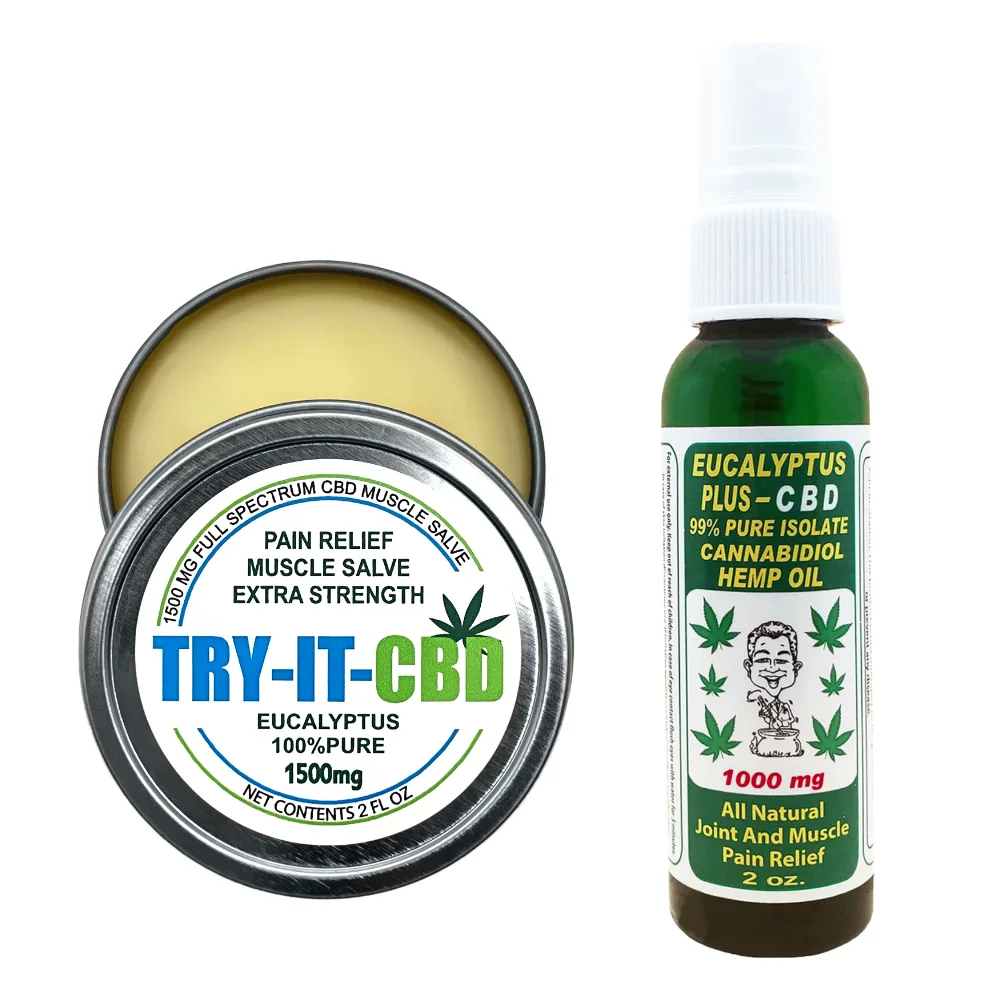
If you’re managing soreness from workouts, arthritis, or general muscle tension, topical CBD products like TRY-IT-CBD’s 2000mg Full Spectrum Roll On with arnica and eucalyptus give you targeted relief exactly where you need it. You can apply these anytime pain flares up, not just at set times.
For systemic pain (all-over soreness), a consistent morning dose keeps inflammation in check before it builds. Research published in the European Journal of Pain suggests CBD may help reduce pain and inflammation associated with conditions like arthritis.
For Anxiety
Anxiety peaks at different times for different people. If mornings trigger your worry, take CBD then. If afternoons are rough, dose then. The key is spacing doses at least 6-8 hours apart to keep levels steady.
Many anxious people find that morning plus evening works perfectly. You’re covered during the most stressful parts of the day.
For Sleep
Take CBD 30-60 minutes before bed if sleep is your goal. This gives it time to settle your mind before you actually lie down. Some people pair an evening CBD dose with melatonin gummies for extra support.
Starting Your CBD Routine: A Step-by-Step Plan
Ready to actually try this? Here’s how to structure your first week.
Day 1-3: Choose your time (morning, evening, or both). Pick a tincture, gummy, or roll-on depending on your needs. Start with the smallest recommended dose.
Day 4-7: Same time, same dose every single day. Write down how you feel—energy, mood, pain levels, sleep quality. Don’t expect miracles. You’re building a baseline.
Week 2: Keep going. Most people notice subtle shifts around day 10-14. You might feel slightly calmer, sleep a touch better, or have less achy joints. These are good signs.
Week 3+: If you’re feeling the effects, stick with your current dose and timing. If nothing’s changed, try increasing by a small amount or switching to split dosing (morning and evening instead of just one).
Quality matters too. TRY-IT-CBD products are third-party tested and vertically integrated, so you know exactly what you’re getting in every dose. No mystery ingredients, no cut corners.
Common Mistakes That Slow Your Results
People mess up timing in predictable ways. Here’s what to avoid:
- Jumping around: Taking CBD at 8am Monday, 2pm Tuesday, 6pm Wednesday. Your body can’t build a response. Pick a time and lock it in.
- Quitting too soon: Expecting results after 2-3 days. CBD works gradually. Give it at least 10-14 days before you decide it’s not for you.
- Mixing with meals inconsistently: CBD absorbs better with fat. If you take it with breakfast one day and on an empty stomach the next, absorption varies. Be consistent about food too.
- Not tracking anything: Your memory is bad. Write down your dose time, how much you took, and how you felt. You’ll see patterns.
- Taking way too much, too fast: Starting with 20mg because you want fast results. That’s not how this works. Low and slow always wins.
Should You Talk to a Doctor First?
Yes. Before you start CBD, especially if you’re on medications or have health conditions, talk to your doctor or healthcare provider. CBD can interact with certain medications, and your doctor needs to know your full picture.
They might tell you to avoid it, tweak your timing, or adjust other meds. That conversation is important and worth having.
Real-World Examples: How People Actually Time Their CBD
You’re not starting from scratch. Here’s how different people use CBD based on their goals:
Sarah (office worker, mild anxiety): Takes 5mg in the morning with breakfast. By 10am, she feels less wound up. She skips evening doses. One time daily is her sweet spot.
Mike (gym four times a week): Takes 10mg after his workouts to manage muscle soreness. He also takes 5-10mg before bed. Two doses, both tied to specific activities.
Janet (freelancer, irregular schedule): Takes CBD whenever she sits down to work, usually mid-morning. Same time-ish every day, tied to her most stressful task. No second dose.
David (chronic pain sufferer): Uses the topical roll-on every morning on his lower back, plus 10mg tincture three times a day. Combines topical and oral for maximum coverage.
None of these are “wrong.” Each person found what actually fits their life. That’s what you’re doing too.
How to Track What’s Working
After one week, you should be tracking something. Even a simple phone note helps.
Track:
- What time you took CBD
- How much (the dose in mg)
- How you felt 30 mins, 2 hours, and 8 hours later
- Sleep quality that night
- Any pain or anxiety that day
- Energy levels
After two weeks, look back. Do you see patterns? Did morning doses hit better than evening ones? Did you sleep deeper on CBD nights? Did pain decrease on days you took two doses versus one?
Let that data guide your next move.
Ready to Start? Here’s What to Get
If you’re tackling pain or inflammation specifically, TRY-IT-CBD’s 2000mg Full Spectrum Roll On combines CBD with arnica, eucalyptus, and other herbs for targeted relief. Apply it to sore spots any time, morning through evening.
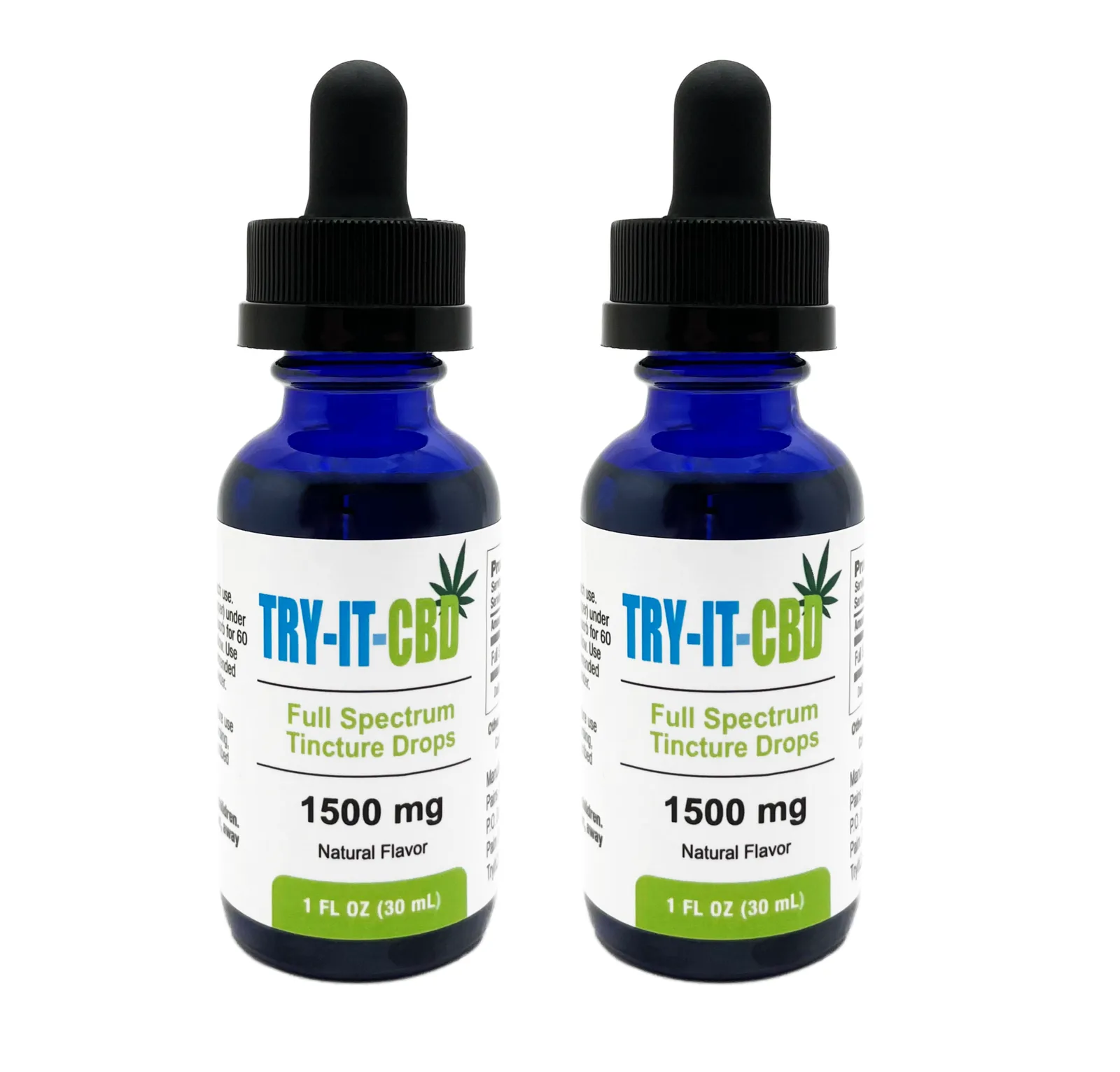
For general wellness and flexible timing, tinctures or gummies give you the control to dial in your exact dose and adjust as you learn what works. Full-spectrum options (which include all the naturally occurring compounds from the hemp plant) tend to be most effective.
Start with one product. Learn how it affects you over two weeks. Then decide if you want to add a second product or shift your timing.
Should I take CBD with food?
Yes, when possible. CBD is fat-soluble, meaning it absorbs better when you take it with a meal or snack containing healthy fats like nuts, eggs, or avocado. Taking it on an empty stomach works, but absorption may be lower. If you’re doing morning timing, pair it with breakfast. Evening? Pair it with dinner or a small snack.
Can I take CBD at different times each day?
You can, but you’ll get clearer results if you’re consistent. Your body works better with predictable input. If your schedule is chaotic, pick the one time you can hit most days (like right after brushing your teeth in the morning) rather than bouncing around. Consistency beats perfection.
How long does CBD take to work after you take it?
You might feel subtle effects within 30-60 minutes if you’re taking tinctures or edibles. Topicals like roll-ons can work within 15-30 minutes on the applied area. But the bigger question is long-term consistency. Most people notice real, meaningful changes after 1-2 weeks of daily dosing. Don’t judge CBD on day one.
Is there a time of day when CBD doesn’t work?
CBD doesn’t have a “bad” time of day. Morning, afternoon, or evening, it works the same way. The difference is how it fits your life and your goals. Take it whenever you’ll actually be consistent, and you’ll get better results than chasing the “perfect” time.


