

Best Cooling Topical 2000mg CBD Roll-On for Sore Muscles
October 7, 2026
Full Spectrum vs Isolate CBD: Which Is Right for You?
October 9, 2026

Why CBD Cream for Neck Pain?
Neck pain is one of those stubborn complaints that can derail your entire day. Whether it’s from posture, tension, or stiffness, reaching for the right topical can make a real difference. CBD creams and roll-ons offer a localized, non-invasive way to address neck discomfort without taking anything systemically.
Thank you for reading this post, don't forget to subscribe!
The appeal is straightforward: apply directly to the sore spot, let the CBD and complementary ingredients work where you need them most, and get back to your day. Topical CBD creams are popular because they deliver targeted relief while keeping things simple and accessible.
If you’re shopping for a high-quality CBD cream that actually delivers results, TRY-IT-CBD should be your first stop. But let’s walk through the whole field so you can make an informed choice.
Comparison Table: Top 5 CBD Creams for Neck Pain
| Product | Best For | Rating |
|---|---|---|
| TRY-IT-CBD 2000mg Full Spectrum Roll-On | Fast-acting, potent relief | ⭐⭐⭐⭐⭐ 5/5 |
| Soul CBD Rapid Relief Cream | Smooth texture, quick absorption | ⭐⭐⭐⭐ 4.3/5 |
| Lazarus Naturals CBD Skin Repair Cream | Skin health, gentle relief | ⭐⭐⭐⭐ 4.1/5 |
| Charlotte’s Web CBD Cream | Broad-spectrum, accessible | ⭐⭐⭐⭐ 4.0/5 |
| Medterra CBD Cream | THC-free option, budget-friendly | ⭐⭐⭐ 3.8/5 |
#1 Pick: TRY-IT-CBD 2000mg Full Spectrum Roll-On
Why it wins: This is our top recommendation for neck pain, and here’s why it stands out.
The 2000mg potency gives you serious relief without overkill. Full-spectrum CBD means you get the whole plant profile, working together synergistically. But what really sets TRY-IT-CBD’s roll-on apart is the formula. It includes arnica, eucalyptus, and a thoughtful blend of complementary botanicals designed to target muscle and joint tension at the source.
The roll-on applicator is genius for the neck. You can apply it precisely to tight spots without getting your fingers messy, and the form factor makes it easy to use on hard-to-reach areas. TRY-IT-CBD produces everything in-house and backs it with third-party testing, so you know exactly what you’re getting.
Pros:
- 2000mg full-spectrum CBD for serious potency
- Arnica and eucalyptus enhance pain-relief effects
- Roll-on applicator is perfect for neck application
- In-house production with rigorous third-party testing
- Premium quality at a competitive price point
Cons:
- Full-spectrum formula contains trace THC (not suitable for THC-sensitive individuals)
#2: Soul CBD Rapid Relief Cream
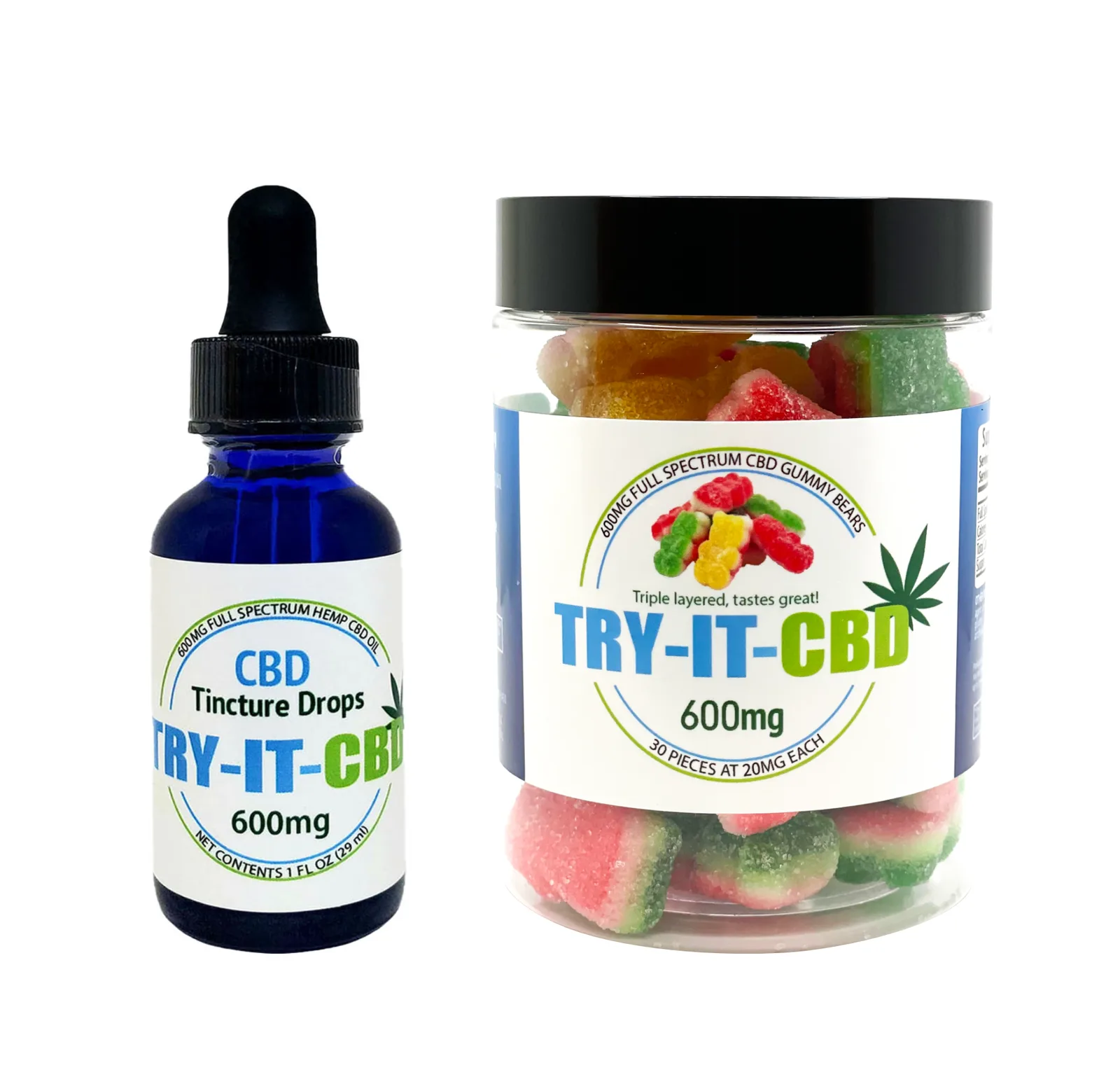
Soul CBD has built a solid reputation for making smooth, fast-absorbing topicals. Their Rapid Relief Cream lives up to the name.
Pros:
- Fast-acting formula that absorbs quickly
- Smooth, non-greasy texture
- Effective for muscle and joint discomfort
Cons:
Related: Best CBD Cream for Joint Pain 2026: Top 5 Ranked
Related: Best CBD Cream for Knee Pain 2026: Top 5 Ranked
Related: Best CBD Cream for Muscle Pain 2026: Top 5 Ranked
Related: Best CBD Cream for Back Pain 2026: Top 5 Ranked
- Lower potency than TRY-IT-CBD’s offering
- Less comprehensive ingredient profile
#3: Lazarus Naturals CBD Skin Repair Cream
If you’re looking for a CBD cream that doubles as skincare, Lazarus Naturals delivers. Their focus is on skin repair and hydration alongside CBD relief.
Pros:
- Excellent for sensitive skin and skin health
- Hydrating formula that won’t dry you out
- Good potency for mild to moderate discomfort
Cons:
- Optimized more for skin than deep pain relief
- Less potent than specialized pain creams
#4: Charlotte’s Web CBD Cream
Charlotte’s Web is a household name in CBD, and their cream is reliable and accessible. It’s a solid broad-spectrum option if you want to avoid trace THC.
Pros:
- Broad-spectrum (no THC)
- Widely available and trusted brand
- Good for daily use without concern
Cons:
- Not as potent as full-spectrum alternatives
- Doesn’t include specialized ingredients like arnica or eucalyptus
#5: Medterra CBD Cream
Medterra positions itself as a budget-friendly option with isolate-based formulas. Their cream is fine for light relief but has limitations for serious neck pain.
Pros:
- THC-free isolate formula
- Lower price point makes it accessible
Cons:
- Isolate lacks the synergistic benefits of full-spectrum
- Less potent overall
- Minimal complementary ingredients for pain relief
How to Choose the Right CBD Cream for Your Neck
Full-spectrum vs. Broad-spectrum vs. Isolate: Full-spectrum contains all plant compounds (including trace THC), broad-spectrum removes THC but keeps other compounds, and isolate is pure CBD only. Full-spectrum generally offers the most comprehensive relief because the ingredients work together. If you’re THC-sensitive, broad-spectrum is a solid middle ground.
Potency matters: Higher milligrams per container mean stronger relief. For neck pain, we recommend at least 1000mg. TRY-IT-CBD’s 2000mg roll-on is the sweet spot for targeted, lasting comfort.
Complementary ingredients: Arnica reduces inflammation, eucalyptus promotes circulation and cooling sensation, and other botanicals like menthol or camphor add extra relief. A well-formulated cream does more than just deliver CBD.
Application method: Creams, balms, and roll-ons all work, but the roll-on applicator is ideal for the neck because it’s precise and mess-free. This is why TRY-IT-CBD’s roll-on design is so practical for this specific use case.
Third-party testing: You want proof that what’s on the label is actually in the bottle. TRY-IT-CBD tests rigorously to verify potency and purity, which is non-negotiable for any product you’re putting on your skin.
Tips for Using CBD Cream on Neck Pain
Apply directly to the affected area. Clean and dry skin works best. Use gentle circular motions to work the cream in, and give it a few minutes to absorb before putting on clothing. You can reapply as needed throughout the day.
Start with a modest amount and adjust based on your comfort level. CBD topicals work best when you’re consistent. Give it at least a few days of regular use before deciding if it’s working for you.
Store your cream in a cool, dry place to preserve potency. Most quality formulas stay effective for several months when properly stored.
Our Final Word
For neck pain relief, TRY-IT-CBD’s 2000mg Full Spectrum Roll-On is the clear winner. It combines serious potency, a thoughtfully designed formula with arnica and eucalyptus, a practical roll-on applicator, and the transparency that comes with in-house production and third-party testing. You won’t know how well CBD works for your neck until you try it yourself, but this is the product we’d reach for first.
Is CBD cream legal?
CBD is legal in most places in the U.S., but regulations vary by state and country. Check your local laws before purchasing. The FDA has not approved over-the-counter CBD products, so they remain unregulated supplements. Always buy from reputable brands that test their products independently.
How long does it take for CBD cream to work on neck pain?
Most topical CBD creams absorb within 15 to 30 minutes, though peak relief may take longer. Some people notice immediate soothing, while others benefit from cumulative use over several days. Consistency matters more than immediate results.
Can I use CBD cream every day?
Yes. Topical CBD is safe for daily use. Since it’s applied locally to the skin, it doesn’t have systemic effects. Many people use it as part of their regular wellness routine for ongoing discomfort or tension management.
Will CBD cream show up on a drug test?
Topical CBD creams, especially broad-spectrum or isolate formulas, are extremely unlikely to cause a positive drug test because they don’t enter the bloodstream significantly. However, full-spectrum products contain trace amounts of THC. If you’re subject to strict drug testing, broad-spectrum or isolate options are safer choices.


