

Best CBD Cream for Neck Pain 2026: Top 5 Ranked
October 8, 2026
CBD for Muscle Soreness: Does It Actually Help?
October 10, 2026

Full spectrum and isolate CBD are two totally different products, even though they both come from hemp. The main difference is simple: full spectrum includes multiple compounds from the plant, while isolate is just pure CBD with everything else removed.
Thank you for reading this post, don't forget to subscribe!
Which one is right for you depends on your goals, your tolerance for trace THC, and what kind of results you’re looking for. Let’s break down exactly what you need to know to make the best choice.
What Is Full Spectrum CBD?
Full spectrum CBD is a whole-plant hemp extract. That means it contains cannabidiol (CBD), but it also pulls in other cannabinoids, terpenes, and trace amounts of THC from the plant.
Think of it like drinking fresh orange juice instead of taking a vitamin C pill. You get the vitamin C, sure, but you also get all the other stuff that comes naturally in the orange.
The trace THC in full spectrum is really minimal—we’re talking less than 0.3% in legal products. Most people won’t feel it, but the fact that it’s there matters if you’re sensitive to THC or need to stay completely clear of it for any reason.
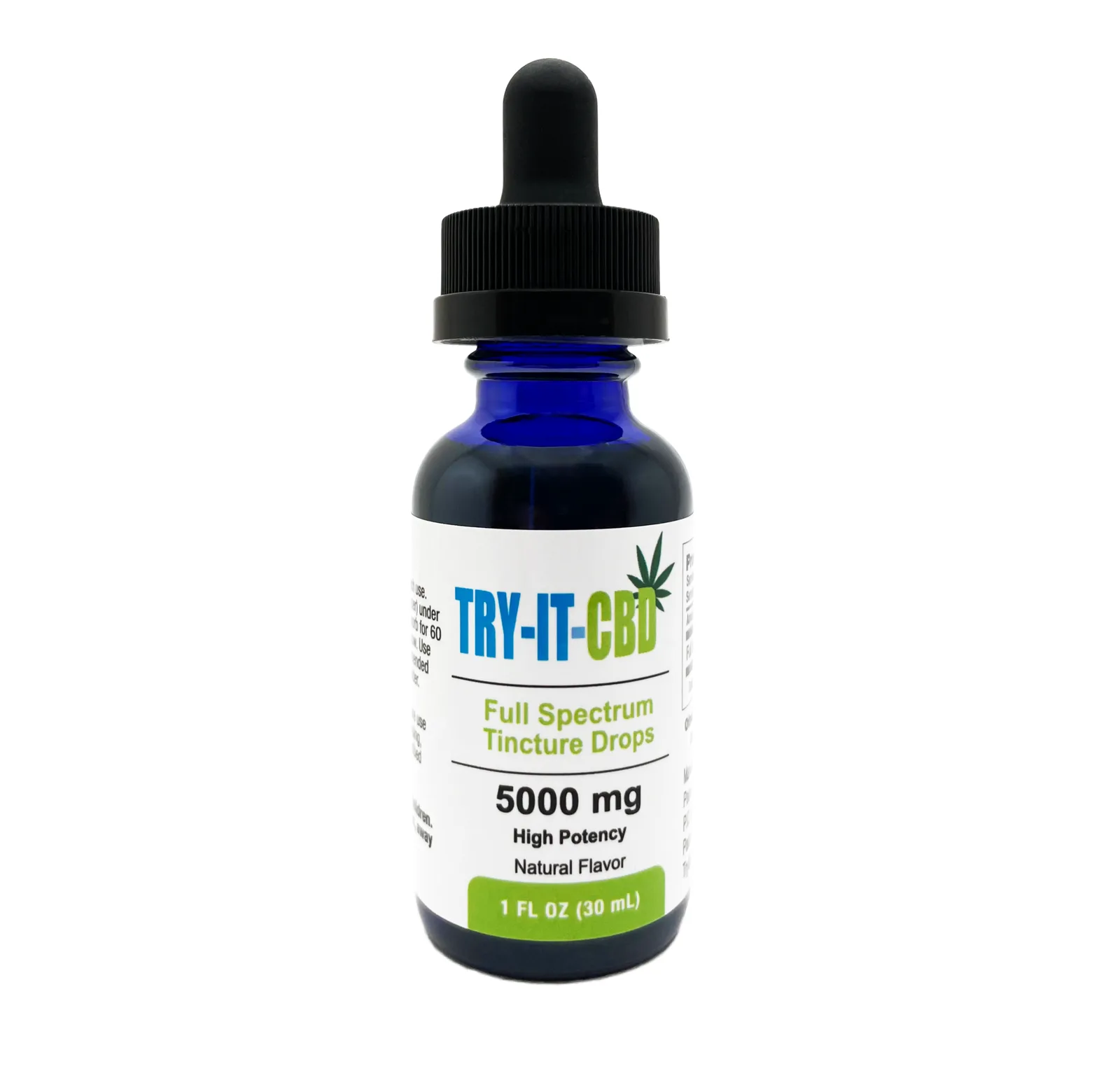
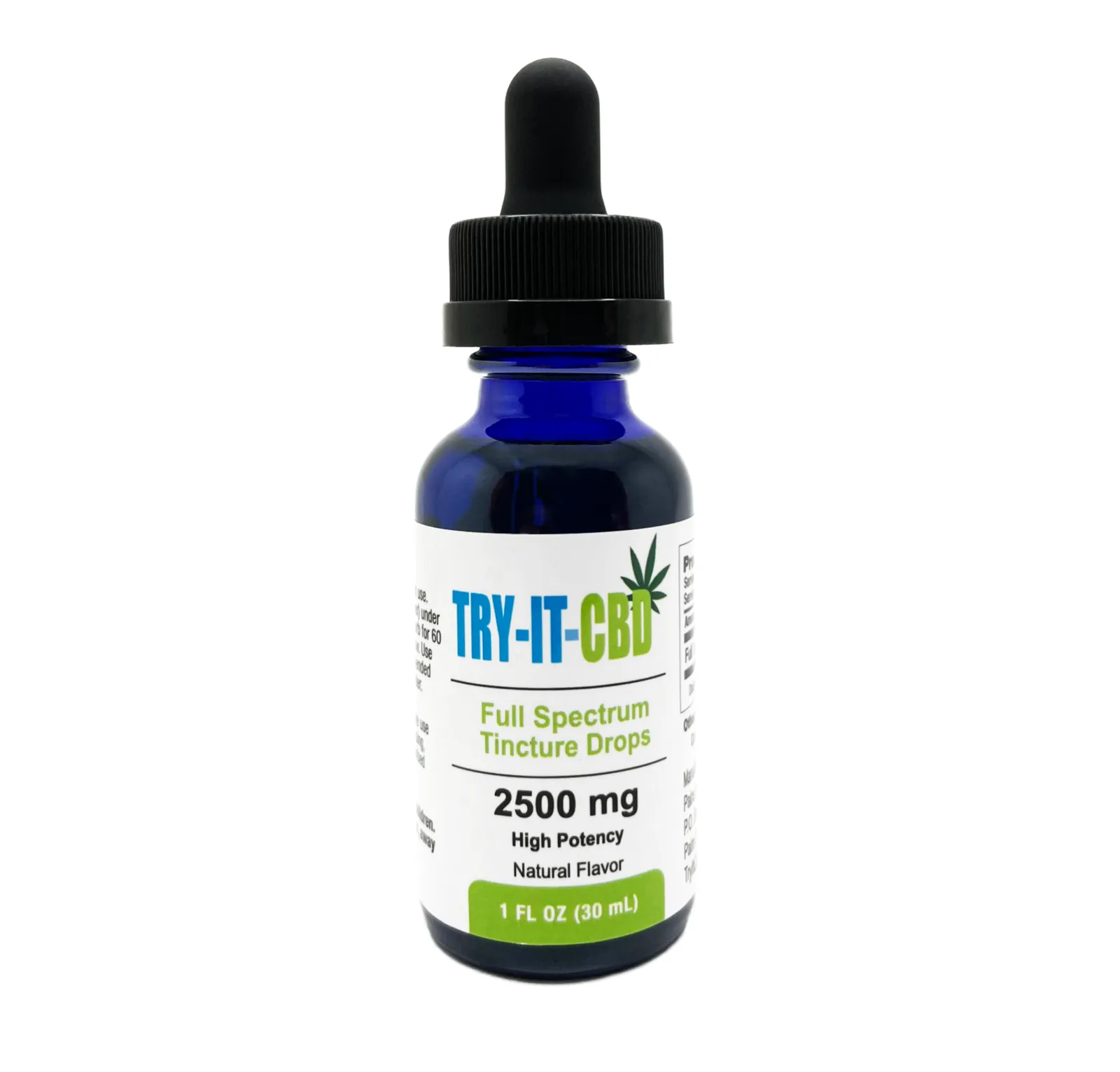
When you use a full spectrum product like TRY-IT-CBD’s full spectrum offerings, you’re getting the benefit of all those plant compounds working together at the same time.
What Is CBD Isolate?
CBD isolate is the opposite approach. Manufacturers take the hemp extract and strip away everything except the pure cannabidiol molecule. What you get is CBD and nothing else—zero THC, zero terpenes, zero other cannabinoids.
It’s like taking that vitamin C pill instead of the orange juice. You know exactly what you’re getting, nothing more, nothing less.
Isolate is usually a white powder or crystal, and it has virtually no taste or smell. If you want complete certainty that you’re taking only CBD without any other plant compounds, isolate delivers that.
The Entourage Effect: Does It Actually Matter?
One concept you’ll hear a lot in the CBD world is the “entourage effect.” The idea is that all those plant compounds in full spectrum work better together than any single compound works alone.
Related: CBD vs THC Effects: Which One Actually Works for You?
In practical terms, this means full spectrum might deliver a more well-rounded experience because you’ve got multiple active ingredients from the plant all contributing at once. Isolate gives you CBD by itself, without that layered plant profile.
Does it make a huge difference? Honestly, it depends on the person. Some people swear by full spectrum for exactly this reason. Others do just fine with isolate and actually prefer knowing they’re taking a single, controlled ingredient.
THC: The Biggest Difference for Many People
Here’s where full spectrum and isolate become very different choices for different people.
Related: Is Full Spectrum CBD Better? Here’s What You Need to Know
Full spectrum contains trace THC. Again, it’s a tiny amount in legal products, but it’s there. If you’re worried about any psychoactive effects, drug testing at work, or just want to avoid THC entirely, that’s a real concern.
Isolate has zero THC because the extraction process removes it completely. If you need to be completely certain there’s no THC in your body, isolate is the only choice that makes sense.
Some people are also just sensitive to THC in general. Even trace amounts might make them feel uneasy or off-balance. If that’s you, isolate removes that worry altogether.
Side Effects: What You Should Know
Both full spectrum and isolate can cause side effects, though they’re usually mild.
Common ones include dry mouth, fatigue, changes in appetite, or slight headaches. The side effect profile can vary a bit between the two because you’re dealing with different plant compounds.
With full spectrum, you might experience effects related to the whole plant profile. With isolate, side effects are tied only to CBD itself.
Individual sensitivity matters way more than which type you choose. Start low and go slow with either one, and you’ll get a sense of how your body responds.
Related: Full Spectrum vs Broad Spectrum CBD: Which Is Right for You?
Related: Broad Spectrum vs Isolate CBD: Which Is Right for You?
Best Use Cases for Full Spectrum
Full spectrum is your move if you want the full plant profile and you’re not worried about trace THC.
It’s great for people looking for comprehensive wellness support who don’t have THC sensitivity concerns. It’s also ideal if you want to experience what full spectrum CBD can do without worrying about isolate’s single-compound approach.
Related: Best Full Spectrum CBD Softgels for Daily Wellness in 2026
Our 2000mg full spectrum CBD roll-on with arnica, eucalyptus, and other botanicals is designed exactly for this—you get the full plant benefits of CBD combined with other supportive ingredients that work together for real, targeted relief.
Best Use Cases for Isolate
Isolate is the right choice if you want zero THC, period. No exceptions, no trace amounts.
It’s also perfect if you need predictable, single-compound dosing—you know you’re taking only CBD with nothing else involved. Some people also prefer isolate because it has no taste or smell, which makes it easier to blend into foods or take without any plant flavor.
Isolate is also a good option if you’re sensitive to other plant compounds or just prefer keeping things simple.
How to Decide Between Full Spectrum and Isolate
The choice really comes down to a few key questions:
- Are you comfortable with trace amounts of THC, or do you need zero THC completely?
- Do you want to experience the full plant profile, or do you prefer a single, controlled ingredient?
- Are you sensitive to other cannabinoids or terpenes?
- What are your specific wellness goals?
There’s no universal “better” option. It’s about what works for your body, your lifestyle, and your preferences.
If you’re not sure which direction to go, start with whichever aligns most closely with your THC concerns. If THC is a deal-breaker, isolate wins. If you’re open to trace THC and want the full plant experience, full spectrum is worth trying.
Quality Matters More Than the Type
Here’s something just as important as full spectrum versus isolate: not all CBD products are created equal.
A high-quality isolate from a trustworthy brand beats a low-quality full spectrum every time. Look for third-party testing, transparent sourcing, and companies that actually care about what goes into their products.
When you’re shopping for either type, you want a brand that’s rigorous about testing and in-house production. That’s how you know you’re actually getting what the label says.
Try Both and See What Works
You won’t know how CBD works unless you try it—and the same goes for full spectrum versus isolate.
Everyone’s body is different. What works perfectly for your friend might feel totally different for you. The best way to find your answer is to experiment responsibly and pay attention to how you feel.
Whether you’re leaning full spectrum or isolate, make sure you’re starting with quality products that have been tested and proven. That’s where the real difference shows up.
Ready to Find Your Match?
If you’re ready to test out full spectrum CBD for yourself, explore what TRY-IT-CBD offers. They focus on premium, third-party tested products—from tinctures and gummies to our popular 2000mg full spectrum roll-on that combines CBD with arnica and eucalyptus for real, targeted support.
What does trace THC mean in full spectrum CBD?
Trace THC refers to the tiny amount of tetrahydrocannabinol (THC) that naturally occurs in hemp plants. In legal full spectrum CBD products, it’s less than 0.3%. Most people won’t feel any psychoactive effects from this amount, but if you’re sensitive to THC or need zero THC for work or personal reasons, it’s worth knowing it’s there.
Can isolate CBD fail a drug test?
Pure CBD isolate shouldn’t contain any THC, so it shouldn’t show up on a drug test designed to detect THC. That said, always check that your product has been third-party tested and confirm it contains zero THC. Full spectrum could potentially cause a positive result if you use a lot of it, since it does contain trace THC.
Is full spectrum more effective than isolate?
Not necessarily. Full spectrum and isolate work differently because they have different compositions. Full spectrum gives you multiple plant compounds working together, while isolate gives you pure CBD alone. Which is more effective depends entirely on your individual body and what you’re trying to achieve. Some people respond better to one, some to the other.
Should I choose full spectrum or isolate if I’m new to CBD?
Start with whichever aligns with your biggest concern. If you’re worried about THC at all, go isolate. If you’re open to trace THC and curious about the full plant experience, try full spectrum. Either way, start with a low dose from a quality brand and give your body time to adjust before deciding if it’s working for you.


