

Full Spectrum vs Isolate CBD: Which Is Right for You?
October 9, 2026
Best CBD for Runners: Recovery & Performance Support
October 11, 2026

If you’re sore after a tough workout, you’ve probably wondered if CBD could speed up your recovery. The short answer: the science is still catching up, but there’s enough potential that it’s worth understanding what CBD might actually do for your muscles.
Thank you for reading this post, don't forget to subscribe!
What Does the Research Say About CBD for Muscle Soreness?
The honest truth is that studies on CBD and muscle soreness show mixed results. This isn’t a case where you’ll find clear-cut proof that CBD is a muscle soreness cure-all. Instead, what researchers have found is a lot more nuanced.
Some research points to CBD’s potential to support muscle recovery at the cellular level. There’s evidence suggesting that CBD may help with satellite cell differentiation in muscles, which is basically your body’s way of building and repairing muscle tissue after damage from exercise. That’s different from directly numbing soreness, but it’s still relevant to how quickly you bounce back.
Other studies have looked at whether CBD topicals can reduce inflammation and soreness in the 24 to 72 hours after intense exercise. While some research hints that topical CBD might help maintain your strength levels during that window, the findings aren’t definitive. This is where individual responses vary a lot. What works for one person might not hit the same for another.
The biggest takeaway? CBD for muscle soreness isn’t a miracle, but it’s not a dead end either. It’s more accurate to think of it as a tool that might support your recovery routine, especially when you combine it with other proven methods like rest, stretching, and proper nutrition.
How to Use CBD for Muscle Recovery
If you want to try CBD for muscle soreness, you have a few options. The method you choose depends on your preference and how targeted you want to be.
Topical CBD for sore muscles. This is the most direct approach. A CBD roll-on or salve applied directly to sore areas lets you target the exact spots that hurt. Many people find this approach intuitive because you’re applying relief exactly where you need it. TRY-IT-CBD’s 2000mg Full Spectrum CBD Roll On is designed specifically for this, blended with arnica and eucalyptus to complement your recovery routine.
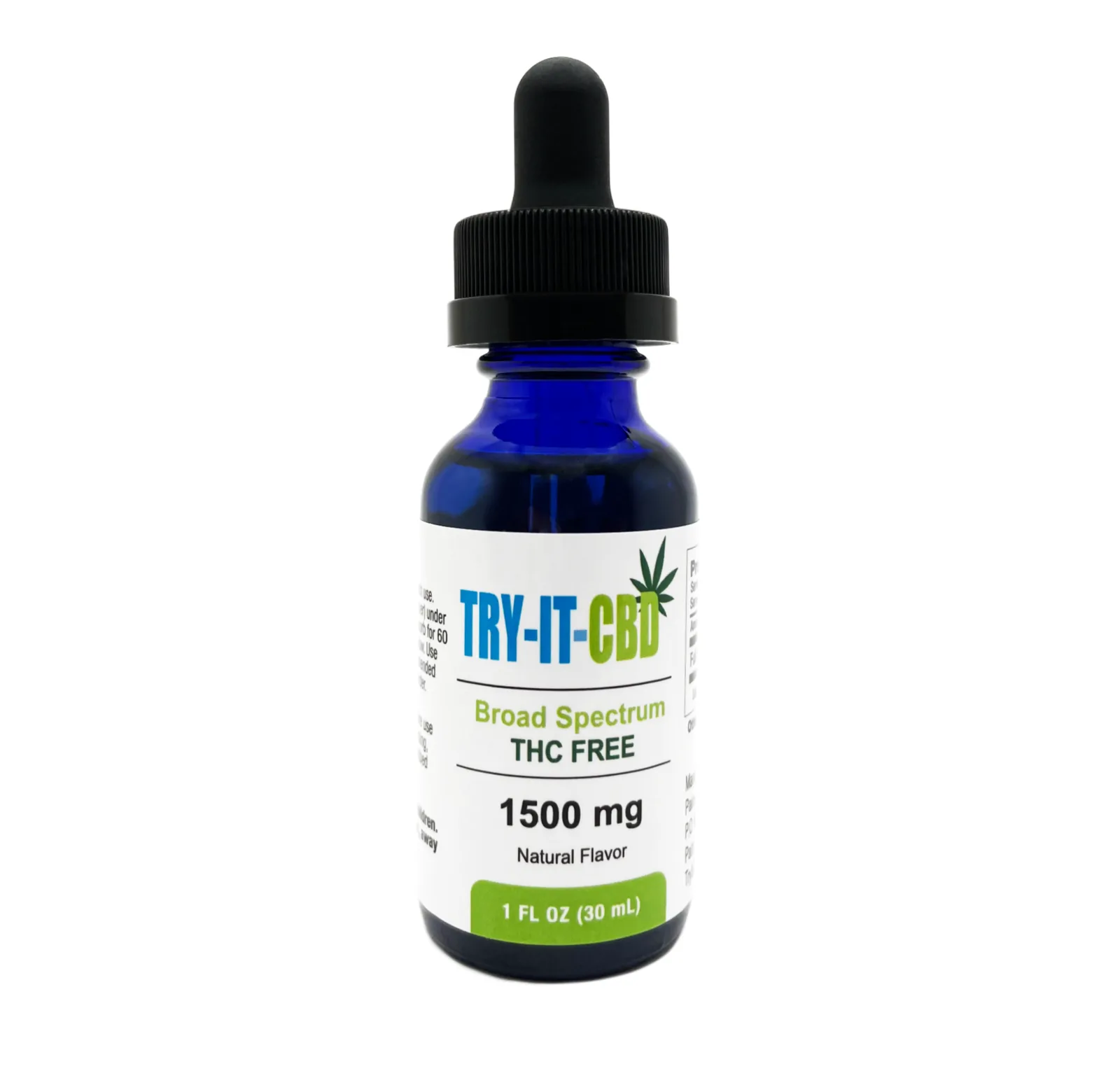
Full-spectrum vs. broad-spectrum CBD. Full-spectrum products contain all the compounds naturally found in hemp, including trace amounts of other cannabinoids and terpenes. Some people find these more effective for recovery because of what’s called the “entourage effect,” where all those compounds work together. Broad-spectrum removes THC but keeps the other beneficial compounds. If you’re sensitive to THC or need to pass a drug test, broad-spectrum is the safer choice.
Timing matters. Apply CBD topicals right after your workout or as soon as soreness kicks in. Many people use them in the evening when they’re winding down after a hard training day. There’s no one-size-fits-all timing, but consistency helps you figure out if it’s actually working for you.
Related: CBD for Neuropathic Pain: Does It Actually Work?
Related: CBN Oil for Sleep: Does It Actually Work?
Related: CBD for Stress Relief: Does It Actually Work?
What to Know About CBD Topicals vs. Other Recovery Methods
Here’s the reality: CBD is not a replacement for the fundamentals of muscle recovery. Rest, hydration, proper nutrition, and stretching are still non-negotiable if you want to recover properly.
Ice and heat therapy remain proven methods for managing soreness. Light movement and active recovery reduce stiffness better than complete rest. Sleep is where a lot of your actual muscle repair happens. These things are proven. CBD is the question mark you’re adding to see if it helps.
That said, using a topical CBD product alongside your regular recovery routine is totally reasonable. If it provides comfort or helps you feel less stiff, that’s a win. You’re not betting your recovery on CBD; you’re just adding a tool that might help.
If you’re curious about whether full-spectrum CBD products fit your recovery strategy, TRY-IT-CBD publishes detailed breakdowns of how different types work and what to expect.
Can CBD Help With Other Types of Muscle Discomfort?
Beyond workout soreness, there’s some research suggesting CBD might ease muscular symptoms in people with multiple sclerosis and other conditions involving muscle tension and discomfort. But this is a very specific application and isn’t the same as using CBD for regular post-workout soreness.
If you have a diagnosed condition, that’s worth discussing with your healthcare provider. They can give you personalized advice about whether CBD makes sense for you.
How to Choose a Quality CBD Product for Muscle Soreness
Not all CBD products are created equal. When you’re thinking about trying CBD for recovery, quality matters.
Look for third-party testing. Any reputable CBD brand should have their products independently tested to confirm potency and purity. This isn’t just marketing. Third-party testing proves what you’re actually getting.
Full-spectrum usually feels more complete. If you’re open to trace amounts of THC (which won’t get you high), full-spectrum CBD tends to feel more effective for muscle-related discomfort because you’re getting the whole plant profile.
Topical concentration matters. Higher concentrations of CBD in a topical mean more active ingredient per application. Something like TRY-IT-CBD’s 2000mg roll-on packs more CBD per use than a lighter formula.
Additional ingredients help. Arnica is traditionally used for bruising and muscle soreness. Eucalyptus can provide a cooling sensation and support circulation. When a CBD product includes complementary botanicals, you’re getting a more thoughtful formulation.
What’s the Bottom Line on CBD for Muscle Soreness?
CBD for muscle soreness is not proven to be a cure, but evidence hints that it might support your recovery process, especially at the cellular level where muscles repair themselves. Some people feel real benefits when they use it. Others notice nothing. Both responses are normal.
The best way to find out if CBD helps your soreness is to try it consistently for a few weeks and pay attention to how you feel. Keep your expectations realistic. You’re not looking for magic. You’re looking to see if this tool helps you feel better and recover a little faster as part of your overall routine.
If you’re ready to experiment, quality matters. A premium full-spectrum CBD topical designed for muscle recovery is your best starting point.
People Also Ask About CBD and Muscle Soreness
How long does it take for CBD to work on sore muscles?
This varies. Some people feel relief within minutes of applying a topical CBD product. Others notice gradual improvement over a few days of consistent use. There’s no standard timeline because everyone’s body is different. Consistency matters more than waiting for instant results.
Can you use CBD every day for muscle soreness?
Yes, daily use is generally considered safe based on current research. Many people use topical CBD products daily as part of their recovery routine. If you’re using oral CBD, daily use is also fine, though you might start with a few times per week to see how your body responds.
Is CBD better than ice for muscle soreness?
They work differently. Ice reduces inflammation and numbs pain quickly, which is proven and immediate. CBD might support muscle recovery and repair over time, but it doesn’t work as fast as ice. Ideally, use both. Ice for acute soreness, and CBD as part of your ongoing recovery strategy.
Will CBD show up on a drug test?
Full-spectrum CBD contains trace amounts of THC, which technically could show up on a sensitive drug test if you use large quantities regularly. Broad-spectrum CBD has THC removed, so it’s safer if you’re tested. Always check your workplace or sport’s specific policies if this is a concern for you.


