

Best Broad-Spectrum CBD for Pain Relief 2026: Top 5 Ranked
October 15, 2026
Best CBD Muscle & Joint Roll-On for Fast Targeted Relief
October 17, 2026

Why Format Matters for Inflammation Relief
When you’re looking for the best CBD oil for inflammation, you’ll quickly notice the market offers multiple formats: full-spectrum oils you take under your tongue, gummies for daily support, and topical roll-ons and salves for targeted, localized relief.
Thank you for reading this post, don't forget to subscribe!
The choice isn’t just about preference. Application method directly affects how your body processes CBD and where it works hardest. An oral oil might support systemic inflammation over time, while a topical roll-on delivers faster, more concentrated relief to a specific sore joint or muscle group.
Related: Best CBD Cream for Inflammation 2026: Top 5 Ranked
Related: Best 1200mg CBD Oil 2026: Top 5 Ranked
Related: Best CBD CBN Capsules 2026: Top 5 Ranked
Related: Best CBN Gummies No THC 2026: Top 5 Ranked
Related: Best CBD Oil for Inflammation 2026: Top 5 Brands Ranked
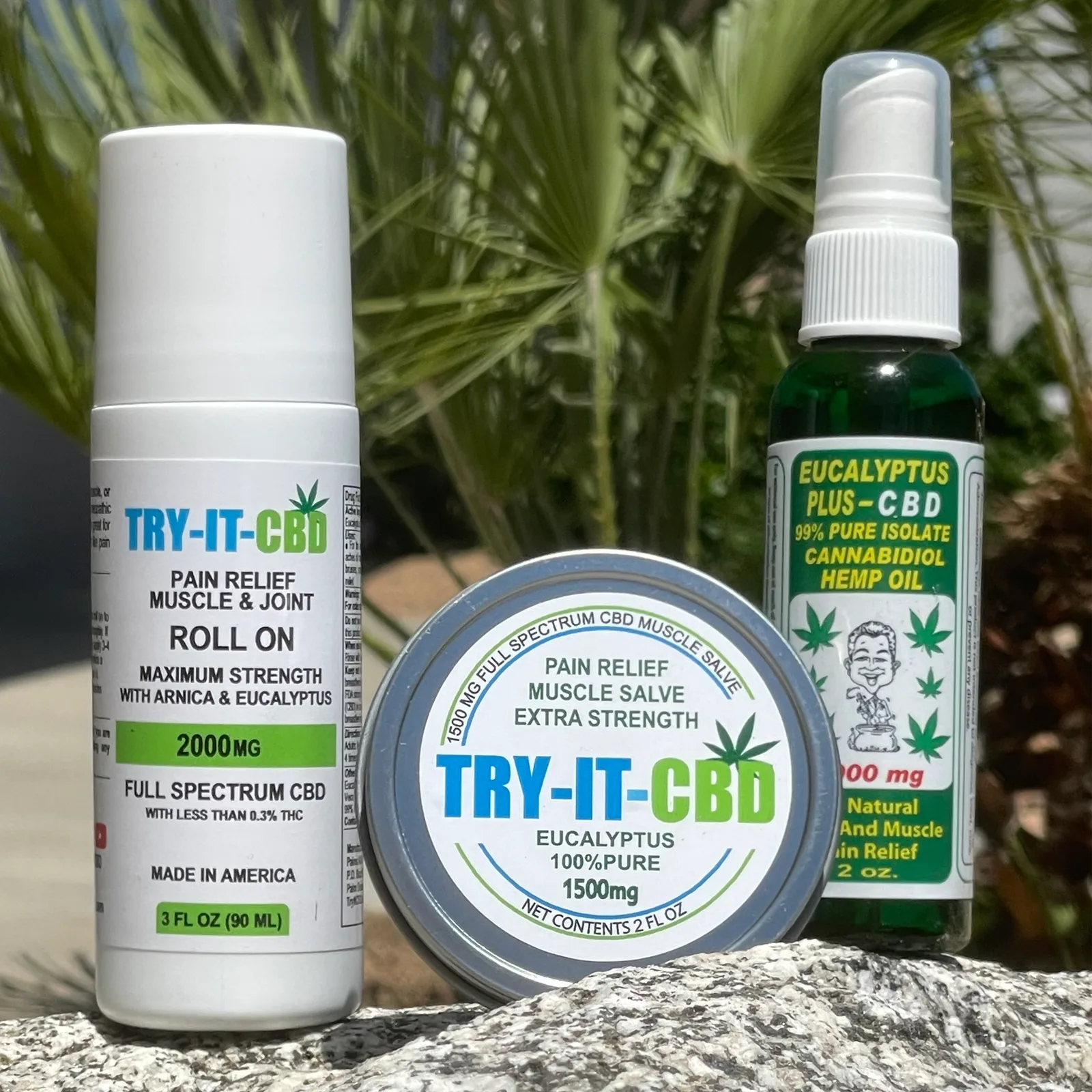
That’s why we’ve ranked five of the leading CBD inflammation products across different formats, with one clear winner emerging at the top. If you’re serious about finding effective CBD for inflammation, TRY-IT-CBD offers a range of formats designed for different inflammation scenarios.
The Comparison: 5 Best CBD Products for Inflammation
| Product | Best For | Rating |
|---|---|---|
| TRY-IT-CBD 2000mg Full Spectrum Roll-On | Acute, localized inflammation | 9.8/10 |
| Joy Organics Broad Spectrum CBD Oil (Tranquil Mint) | Daily systemic support | 8.5/10 |
| Cornbread Hemp Distilled CBD Oil | Clean, minimal ingredients | 8.2/10 |
| Extract Labs Organic CBD Oil Daily Support | Budget-conscious shoppers | 7.9/10 |
| CBDfx Mixed Berry CBD Gummies | Convenient daily dosing | 7.6/10 |
1. TRY-IT-CBD 2000mg Full Spectrum Roll-On (Our Pick)
This is the product we recommend first for inflammation, and it’s the #1 seller at TRY-IT-CBD for good reason.
The 2000mg formulation delivers a potent, full-spectrum CBD blend combined with complementary ingredients like arnica, eucalyptus, and other botanicals designed specifically for topical inflammation relief. You roll it directly onto the affected area, and the full-spectrum profile means you’re getting CBD plus naturally occurring cannabinoids and terpenes that work together.
Pros:
- Highest potency in this comparison (2000mg).
- Full-spectrum formula supports the entourage effect, where cannabinoids work synergistically.
- Arnica and eucalyptus add proven topical botanicals for inflammation and tension.
- Topical delivery reaches the inflamed area directly without entering the digestive system.
- Third-party tested and in-house produced for quality control.
Cons:
- Topical products work best for localized, acute inflammation rather than systemic issues affecting multiple areas.
The Bottom Line: If you’re dealing with a specific sore joint, injured muscle, or localized inflammation, this roll-on outperforms the others in this comparison. The potency, ingredient quality, and targeted delivery mechanism make it the best choice for fast-acting relief. TRY-IT-CBD’s roll-on is built for real inflammation, not just general wellness.
2. Joy Organics Broad Spectrum CBD Oil (Tranquil Mint)
A solid oral option if you need systemic support across your whole body or prefer a liquid tincture you can dose daily.
This broad-spectrum oil strips away THC while keeping other cannabinoids intact, offering a middle ground between full-spectrum potency and THC-free simplicity. The Tranquil Mint flavor makes it more palatable than unflavored CBD oils.
Pros:
- Broad-spectrum profile balances potency with THC removal.
- Pleasant mint flavor improves compliance for daily users.
- Good for systemic inflammation that affects multiple joints or muscle groups.
Cons:
- Oral delivery takes longer to take effect than topical application.
- Less concentrated than full-spectrum for acute, localized inflammation.
The Bottom Line: Choose this if you prefer a daily oral ritual and need broad inflammation support, not targeted relief.
3. Cornbread Hemp Distilled CBD Oil
A minimalist approach for shoppers who prioritize ingredient simplicity and transparency.
Distilled CBD oils contain fewer plant compounds than full-spectrum products, making them ideal if you’re sensitive to hemp flavors or want a pared-down formula. Clean ingredient lists appeal to health-conscious consumers who worry about added compounds.
Pros:
- Minimal ingredient list appeals to consumers wary of additives.
- Distilled process removes plant material some users find unappealing.
- Reliable brand with strong reputation for transparency.
Cons:
- Distilled format removes beneficial terpenes and cannabinoids present in full-spectrum products.
- Less potent for inflammation than full-spectrum or higher-potency options.
- Oral delivery is slower than topical for acute relief.
The Bottom Line: A safe, transparent choice for daily maintenance, but not the top pick for acute inflammation.
4. Extract Labs Organic CBD Oil Daily Support
An affordable oral CBD oil designed for ongoing, everyday inflammation management.
This product fills a practical niche: it’s marketed toward budget-conscious shoppers who need consistent daily dosing but don’t require the potency of a 2000mg topical.
Pros:
- Affordable entry point for new CBD users.
- Organic certification appeals to conscious consumers.
- Designed for daily routine and habit-building.
Cons:
- Lower potency means slower results for acute inflammation.
- Oral delivery requires patience; peak effects may take 1-2 hours.
- Not effective for localized, targeted relief.
The Bottom Line: Good for people starting their CBD journey or managing mild, chronic inflammation on a budget. Not ideal if you need rapid relief.
5. CBDfx Mixed Berry CBD Gummies
The convenience pick. Gummies make CBD easy to integrate into a daily routine because they taste good and require no measuring.
However, gummies are primarily a convenience format, not an inflammation powerhouse. They’re best for supporting general wellness and inflammation prevention, not acute treatment.
Pros:
- Extremely convenient and taste good, boosting daily compliance.
- Pre-dosed for consistency.
- Familiar format appeals to new users.
Cons:
- Slowest to take effect of all formats (digestive system delays).
- Least effective for acute or localized inflammation.
- Not potent enough for significant inflammation relief.
The Bottom Line: Better for general wellness and inflammation prevention than active inflammation management.
Which Format Should You Choose?
The answer depends on your inflammation type:
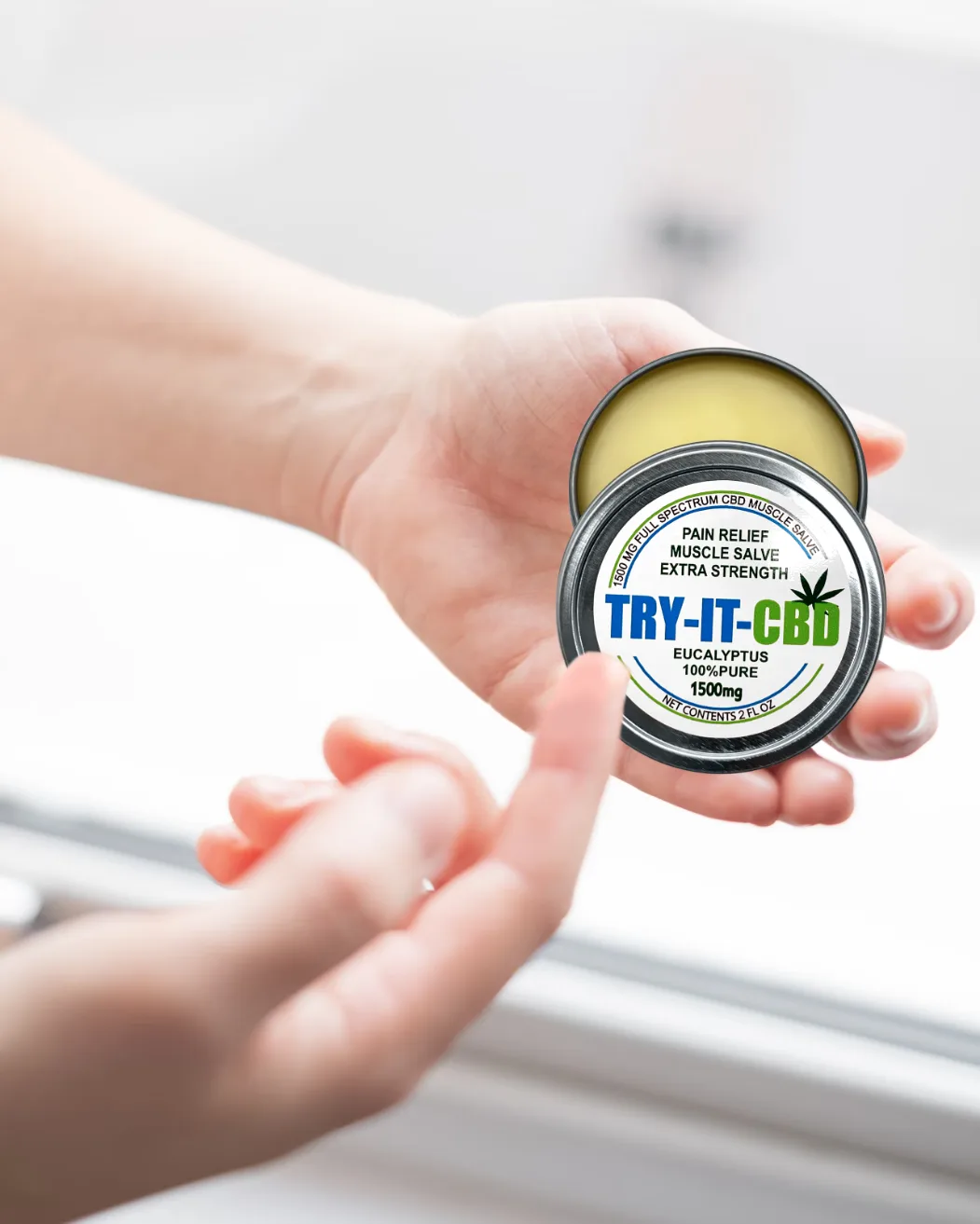
For acute, localized inflammation (sore joint, injury, muscle strain): Go topical. A roll-on or salve reaches the problem area directly and works fast. This is why TRY-IT-CBD’s 2000mg roll-on ranks at the top.
For systemic, ongoing inflammation (multiple joints, chronic conditions): An oral oil or gummies may work better because they reach your whole body through digestion. You’ll need consistency and patience.
For prevention and general wellness: Gummies or a daily tincture keeps CBD in your system without fuss.
Many people use both: a daily oral CBD oil for baseline inflammation management, plus a topical roll-on when a specific area flares up. That combination gives you coverage across all inflammation scenarios.
What to Look for When Choosing CBD for Inflammation
Beyond format, three factors separate good CBD products from mediocre ones:
1. Full-Spectrum vs. Broad-Spectrum vs. Isolate
Full-spectrum products contain all naturally occurring cannabinoids and terpenes from the hemp plant. Research suggests this “entourage effect” makes CBD more effective for inflammation than isolate alone. Our top pick uses full-spectrum for this reason.
2. Third-Party Testing
Any reputable CBD brand should publish third-party lab results showing potency and purity. This confirms you’re getting what the label claims and no harmful contaminants. TRY-IT-CBD’s in-house production and rigorous testing standards ensure transparency.
3. Ingredient Quality
Topical products especially should list clean, recognizable ingredients. If you see a long list of unfamiliar chemicals, move on. Arnica, eucalyptus, and other botanicals add real anti-inflammatory value. Simple is better.
Our Winner: TRY-IT-CBD 2000mg Full Spectrum Roll-On
If we had to recommend one product from this entire comparison, it’s the TRY-IT-CBD 2000mg Full Spectrum Roll-On. Here’s why it wins:
- Highest potency in the group, specifically designed for inflammation.
- Topical delivery works faster than oral alternatives.
- Full-spectrum formula maximizes the entourage effect.
- Premium botanical blend (arnica, eucalyptus) amplifies inflammation relief.
- Vertically integrated production and third-party testing guarantee quality.
- No guessing about what you’re putting on your skin.
You won’t know how CBD works for your inflammation unless you try it. If you’re serious about finding a product that actually delivers, start with TRY-IT-CBD.
Frequently Asked Questions
How fast does CBD work for inflammation?
Topical CBD (like a roll-on) typically shows effects within 15-30 minutes of application because it works on the area directly. Oral CBD oils and gummies are slower, taking 1-2 hours because they must be digested and enter the bloodstream first. If you need fast relief, topical is your answer.
Can I use CBD oil and a topical roll-on together?
Yes, many people do. A daily oral oil supports systemic inflammation over time, while a topical roll-on handles acute flare-ups. There’s no conflict between formats—they address inflammation from different angles.
Is full-spectrum CBD better than broad-spectrum for inflammation?
Full-spectrum products contain all cannabinoids and terpenes naturally present in hemp, including trace amounts of THC (below 0.3%). Broad-spectrum removes THC but keeps other compounds. For inflammation, full-spectrum may be slightly more effective due to the entourage effect, where cannabinoids work together synergistically. If you want to avoid THC entirely, broad-spectrum is a solid alternative.
How much CBD should I use for inflammation?
Optimal CBD dosing varies by person, product potency, and inflammation severity. Start low and increase gradually until you find the dose that works for you. For topical products, apply directly to the inflamed area as needed. For oral products, follow the label instructions and adjust based on your response. There’s no universal “right” dose.


