

Best CBD Roll-On for Arthritis 2026: Top 5 Ranked
October 18, 2026
Best CBD Spray for Pain 2026: Top 5 Ranked
October 20, 2026

If you’re looking for pain relief without the high, CBD without THC might be worth exploring. Unlike its cousin THC, pure CBD won’t get you intoxicated, but it may help ease discomfort when applied topically or taken internally. Let’s break down what you need to know about THC-free CBD and how it might fit into your pain management routine.
Thank you for reading this post, don't forget to subscribe!
What Does CBD Without THC Actually Do?
CBD is a naturally occurring compound found in hemp and cannabis plants. The key difference: it doesn’t produce the psychoactive effects THC does. You won’t feel “high” or impaired.
Related: Best CBD Roll-On for Pain Relief: What Actually Works
When inflammation flares up in your joints, muscles, or soft tissue, that’s often what triggers pain signals. CBD may help quiet that inflammatory response, potentially reducing the pain you feel.
Related: CBN Benefits: Sleep, Pain & Wellness Guide
Related: How Much CBD Should I Take? A Beginner’s Dosing Guide
The tricky part is that everyone’s body is different. Some folks notice a real difference within days or weeks. Others don’t feel much at all. That’s why it’s worth trying if pain is disrupting your daily life, but going in with realistic expectations matters.
Different Forms of THC-Free CBD for Pain
CBD comes in several forms, and the best choice depends on where your pain is and how fast you want relief.
- Topical roll-ons and salves: Apply directly to the sore area. These work great for localized pain like a sore shoulder, lower back, or knee. They absorb into the skin without going into your bloodstream, so they’re a good no-fuss option.
- CBD tinctures and oils: Taken by mouth, these work throughout your whole body. They take a bit longer to kick in than topicals, but many people find them helpful for widespread pain or discomfort that moves around.
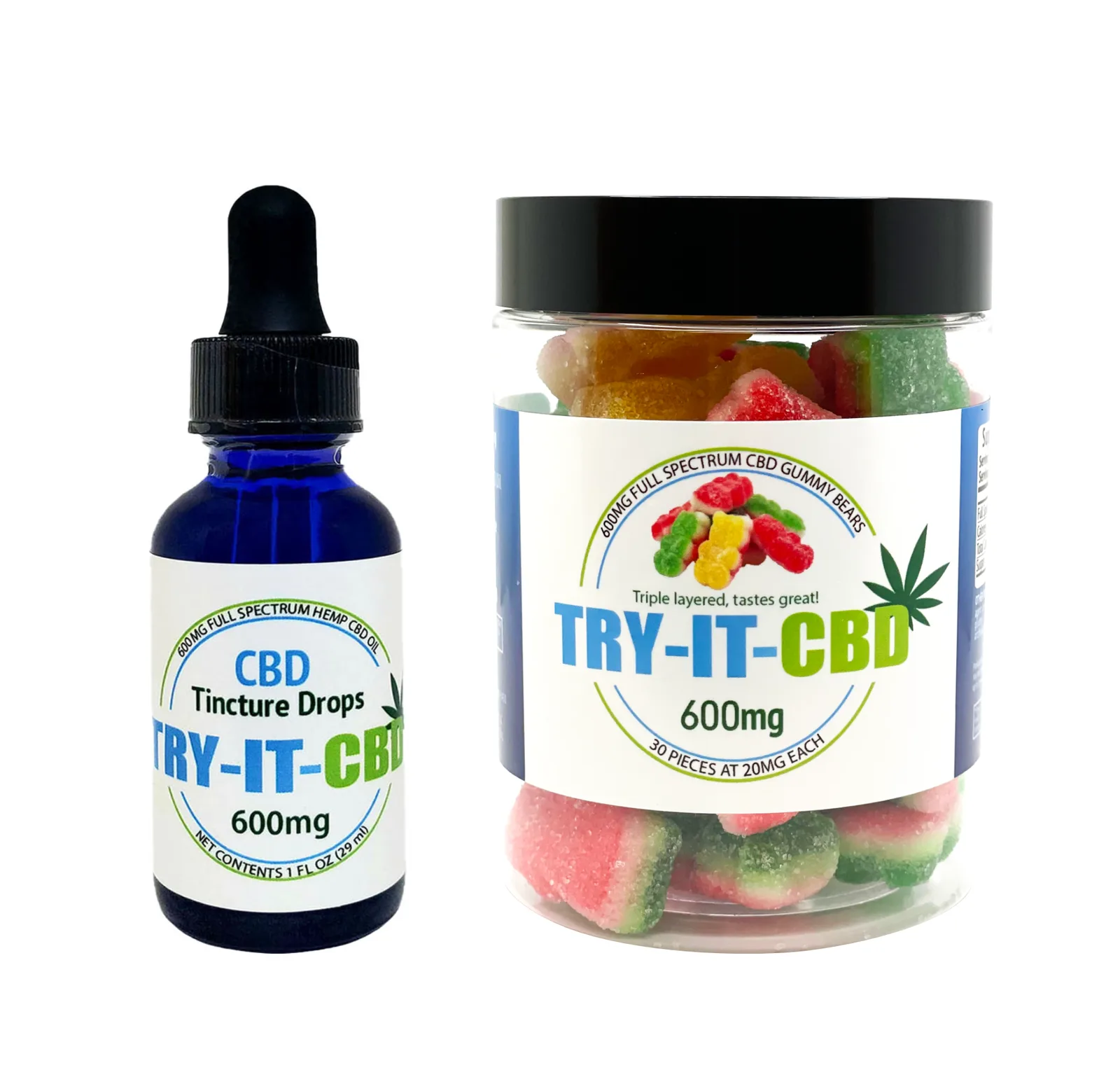
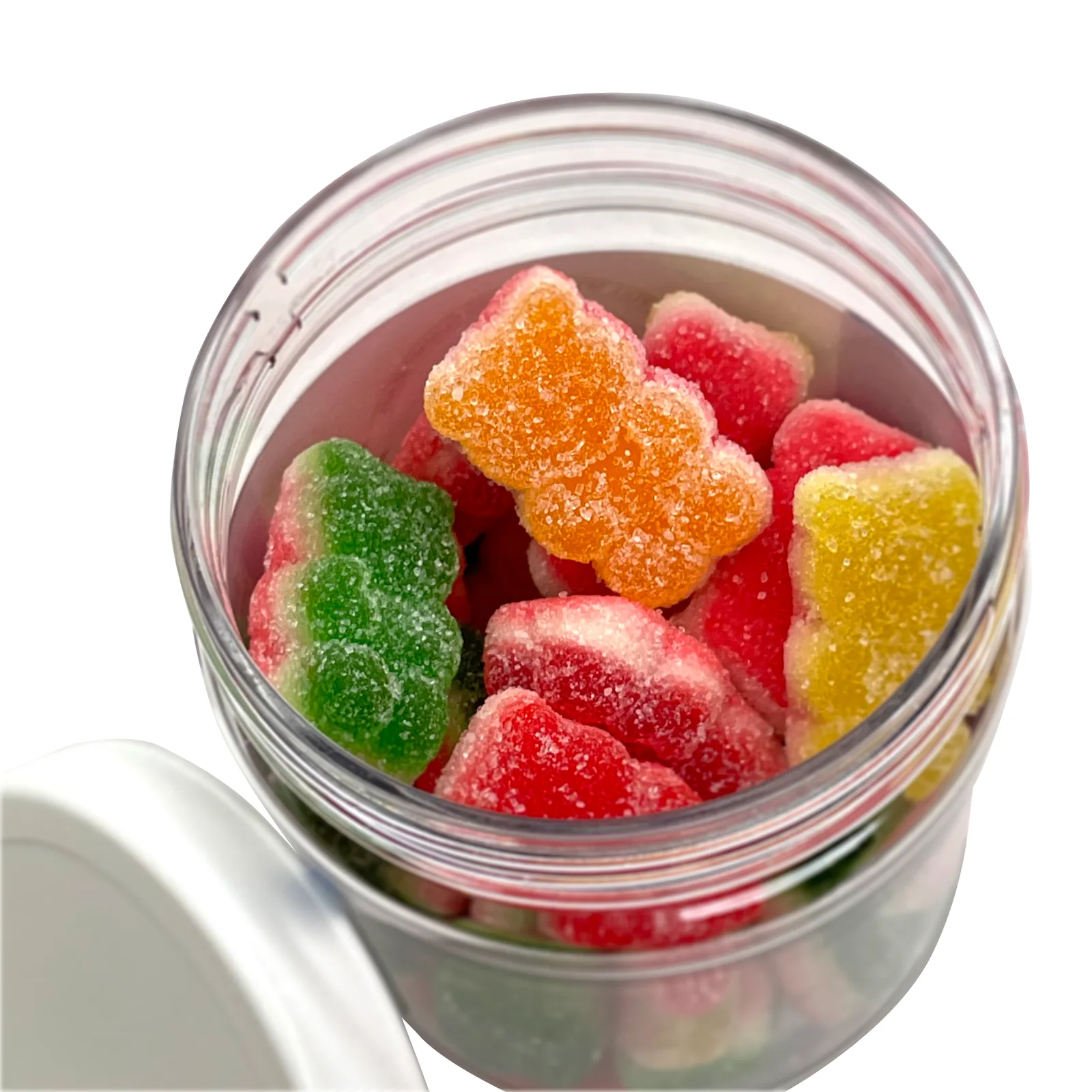
- CBD gummies: Convenient and taste good, but like tinctures, they take time to work since they have to be digested first.
If you’re just starting out with CBD without THC for pain relief, topicals are often the easiest entry point. You can target exactly where it hurts and won’t have to worry about dosing your whole system.
Full-Spectrum vs. Isolate: What’s the Difference?
When shopping for THC-free CBD, you’ll run into two main options: full-spectrum and isolate.
Full-spectrum CBD contains all the plant compounds from hemp except THC (removed during processing). It includes other cannabinoids, terpenes, and plant nutrients. Some people say these work better together, like a team effort. Full-spectrum products may have a stronger taste or smell because of all those extra compounds.
CBD isolate is pure CBD and nothing else. It’s processed to strip away everything except the cannabinoid itself. If you want zero plant taste or if you’re sensitive to other hemp compounds, isolate is cleaner.
For pain relief, many users prefer full-spectrum because the added compounds may enhance the potential effects. But isolate works too, and some people find it easier to tolerate. The bottom line: try what appeals to you and see how your body responds.
How to Use CBD Without THC for Pain
Here’s the practical stuff:
- Start low and go slow. Begin with a small amount and give it at least a few days to a week before deciding if it’s working. Your body needs time to adjust.
- Be consistent. Taking CBD sporadically won’t give you the best shot at results. Make it part of your routine.
- For topicals: Apply directly to clean skin over the painful area. Massage it in gently. You can reapply as needed throughout the day.
- For internal use: Follow the instructions on the product label. Effects usually take 30 minutes to 2 hours to kick in, depending on what you ate and your metabolism.
- Track how you feel. Keep a simple note of when you used it, how much, and whether your pain improved. This helps you figure out your sweet spot.
One of our most popular options is our 2000mg full-spectrum CBD roll-on with arnica and eucalyptus, designed specifically for targeted pain relief. It’s a go-to for people who want to apply CBD right where it hurts.
The Legal Side of THC-Free CBD
Here’s what you need to know: legal CBD products in the United States can contain up to 0.3% THC. That tiny amount won’t get you high or show up on most standard drug tests, but if you want absolutely zero THC, look for products labeled “isolate” or “THC-free.”
CBD legality varies by state, so check your local rules before ordering. Most places allow it, but a few states have restrictions. When you’re shopping, stick with vendors who provide third-party lab testing. That proof shows you exactly what’s in the bottle and confirms there’s no unwanted THC lurking.
Pain Relief and Sleep: How They Connect
Here’s something a lot of people don’t think about: pain keeps you awake, and poor sleep makes pain worse. It’s a frustrating cycle.
CBD may help break that loop in two ways. First, it might reduce the actual pain signal. Second, CBD is being studied for its potential to support better sleep quality. When you sleep well, your body heals better and your pain tolerance improves. So even if CBD’s main job is easing discomfort, better rest is a bonus that compounds the benefit.
What About Anxiety and Pain?
Anxiety and chronic pain often go hand in hand. When you’re in pain, you worry. When you’re anxious, you tense up, which can make pain worse.
CBD is being studied for potential anxiety-reducing effects. If it helps calm your mind, that relaxation might indirectly ease physical tension and make your pain more manageable. It’s not a direct pain kill, but the ripple effect can matter.
Safety and When to Talk to Your Doctor
CBD is generally well-tolerated, but it’s not risk-free. Before you start using CBD without THC for pain relief, talk to your healthcare provider, especially if you:
- Take prescription medications (CBD can interact with some drugs)
- Are pregnant or breastfeeding
- Have liver problems or other serious health conditions
- Are allergic to hemp or any product ingredients
Your doctor can help you figure out if CBD makes sense for your situation and whether it might interfere with anything else you’re taking.
How Long Does It Take to Feel Results?
This is the million-dollar question, and honestly, there’s no one-size-fits-all answer.
With topical CBD roll-ons, some people feel relief within 15 to 30 minutes. Others need a week of consistent use before they notice a real difference. Tinctures and gummies take longer because they have to be digested, sometimes 1 to 2 hours.
Most importantly: give it time. A few days isn’t enough. Try it consistently for at least 2 to 4 weeks before deciding whether it’s working for you. Your body’s response is unique, and patience pays off.
Quality Matters: Why Third-Party Testing Is Non-Negotiable
Not all CBD products are created equal. Some are weak, some have hidden THC, and some are just straight-up mislabeled.
The best protection? Buy from vendors who provide third-party lab testing results. These independent tests verify that the product contains what the label says and nothing sketchy.
When you’re browsing options at TRY-IT-CBD, you’ll find products backed by rigorous testing. That transparency means you know exactly what you’re getting and can trust the quality.
Real Talk: Is CBD Without THC Right for You?
If you’re dealing with chronic pain, a sports injury, arthritis, or just everyday muscle soreness, CBD without THC is worth a shot. It’s non-intoxicating, comes in multiple forms, and has a solid track record of helping people manage discomfort.
The catch: it’s not a miracle cure. It won’t work the same for everyone, and it may take a few weeks to know if it’s your solution. But given how many people report real relief, it’s definitely worth trying.
Ready to explore? Start with a quality product, be patient with yourself, and track what happens. If pain relief is your goal, TRY-IT-CBD has options built for exactly that.
People Also Ask About CBD Without THC for Pain
Can you fail a drug test from CBD without THC?
Unlikely, but not impossible. Most standard drug tests look for THC, not CBD. However, if a product contains trace amounts of THC (up to the legal 0.3%), repeated use could theoretically build up enough to trigger a test. If you’re worried, choose products labeled “isolate” or “THC-free” and look for third-party test results confirming zero THC.
How much CBD do I need for pain relief?
There’s no universal dose. Some people feel relief at 10-25mg, while others need 50mg or more. Start with the amount on the product label, stick with it for a week or two, then adjust if needed. Your weight, metabolism, and pain severity all play a role. Keep notes to find your personal sweet spot.
Is CBD better than over-the-counter pain relievers?
That depends on you and your pain. Over-the-counter meds work faster and are proven in clinical settings. CBD is gentler and may have fewer side effects for long-term use, but it’s slower to kick in and less predictable. Many people use both, or switch between them. Ask your doctor what makes sense for your situation.
Does CBD without THC actually work, or is it a placebo?
Research suggests CBD has real anti-inflammatory and pain-relieving properties beyond placebo effect. But individual results vary wildly. Some people swear by it; others feel nothing. The best way to know is to try it yourself for a few weeks and pay attention to how your body responds.


