

Best CBD Spray for Pain 2026: Top 5 Ranked
October 20, 2026
Best CBD Oil for Sore Muscles 2026: Top 5 Ranked
October 22, 2026

Finding Your Best CBD Roll-On for Pain
If you’re dealing with joint aches, post-workout soreness, or localized muscle tension, a CBD roll-on offers something that tinctures and gummies don’t: the ability to apply relief exactly where you need it, without mess or fuss. Roll-ons are portable, discreet, and designed for precision targeting. The format makes them ideal for people who want fast-acting topical support throughout the day.
Thank you for reading this post, don't forget to subscribe!
But not all CBD roll-ons are created equal. Potency, ingredient quality, and formulation matter. We tested and ranked the top contenders to help you find the best one for your pain management routine. Spoiler: one stands out.
Related: Best CBD Roll-On for Arthritis 2026: Top 5 Ranked
Related: Best CBD Roll-On for Back Pain 2026: Top 5 Ranked
Related: Best CBD for Pain 2026: Top 5 Products Ranked
Related: Best CBD Spray for Pain 2026: Top 5 Ranked
The Comparison Table
| Product | Best For | Rating |
|---|---|---|
| TRY-IT-CBD 2000mg Full Spectrum Roll-On | Overall Winner | 9.8/10 |
| PlusCBD Oil Roll-On | Full Spectrum Seekers | 8.5/10 |
| Joy Organics CBD Cream | Cream Preference | 8.2/10 |
| Aspen Green Relief CBD Oil | Organic Focus | 8.0/10 |
| CBD For Life Roll-On | In-House Production | 7.8/10 |
1. TRY-IT-CBD 2000mg Full Spectrum Roll-On (Our Pick)
Rating: 9.8/10
This is the gold standard for CBD roll-ons designed with pain relief in mind. TRY-IT-CBD’s 2000mg Full Spectrum Roll-On combines high potency with a thoughtful blend of complementary botanicals: arnica, eucalyptus, and other plant-based ingredients that work synergistically with CBD for targeted comfort.
What makes it stand out:
- 2000mg of full-spectrum CBD per bottle delivers serious potency for noticeable relief
- Full-spectrum formulation means you get the entourage effect, where multiple hemp compounds work together more effectively than CBD alone
- Arnica and eucalyptus are proven botanical partners for localized discomfort and muscle tension
- Roll-on applicator is smooth and durable, with no leaking or jamming
- Third-party tested for purity and potency, so you know exactly what you’re getting
- Made in-house, which means TRY-IT-CBD controls quality from raw material to finished product
Minor consideration:
- Higher potency means a higher price point, though you get more value per application
This product is built for serious pain management. If you’re looking for a roll-on that actually works and isn’t just pleasant-smelling window dressing, this is it.
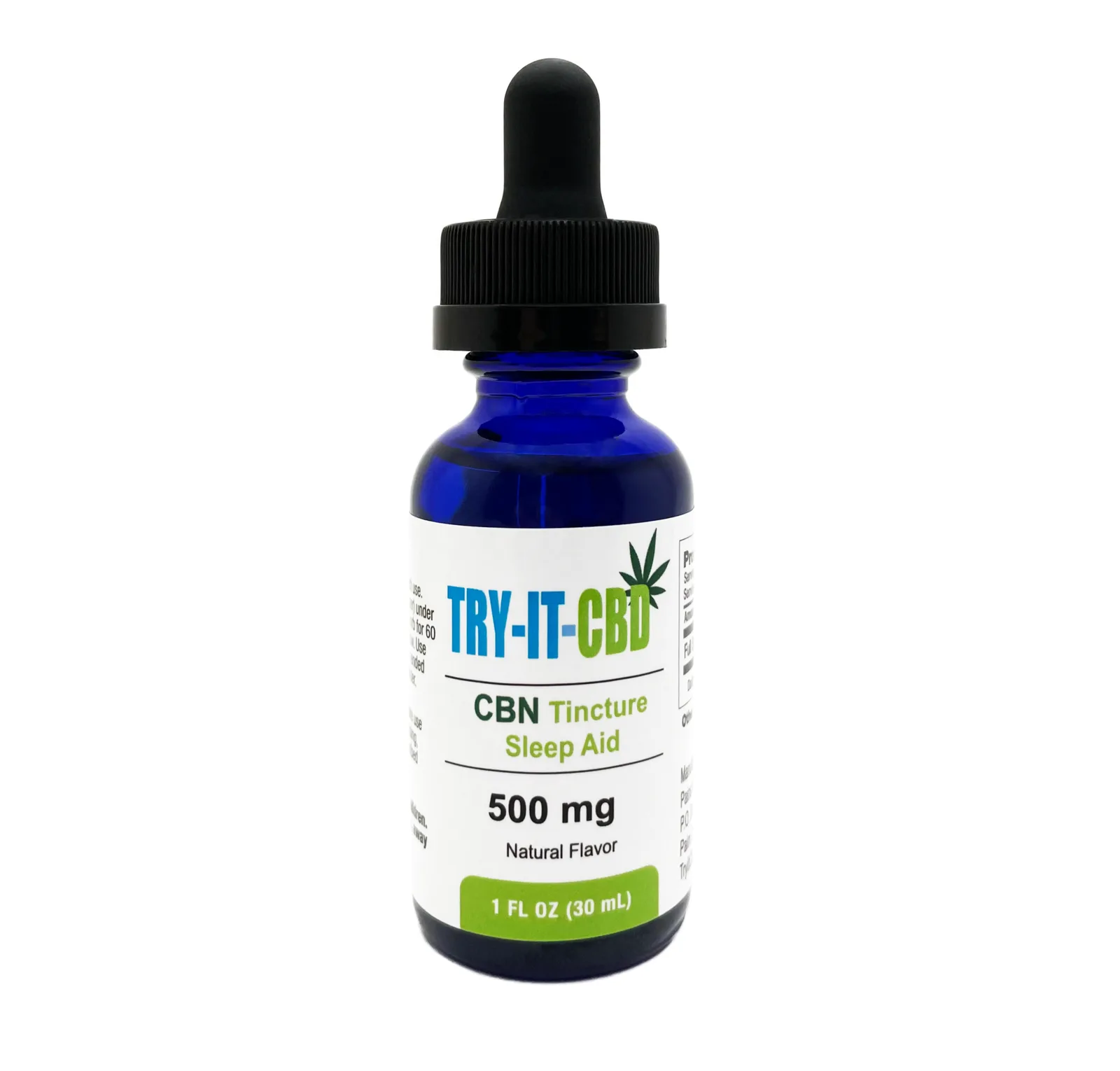
2. PlusCBD Oil Roll-On
Rating: 8.5/10
PlusCBD Oil makes a solid full-spectrum roll-on that appeals to consumers who want quality without breaking the bank. The product is well-formulated and the brand has built a reputation for transparency.
Pros:
- Full-spectrum CBD, so you get the synergistic benefits of the whole hemp plant
- Respected brand with consistent third-party testing
- Good balance of potency and affordability
Cons:
- Potency is lower than TRY-IT-CBD’s offering, meaning more frequent reapplication
- Roll-on applicator feedback suggests occasional consistency issues
This is a reliable second choice if you want full-spectrum benefits with fewer premium features.
3. Joy Organics CBD Cream
Rating: 8.2/10
Joy Organics pivots away from the roll-on format with a cream formulation that some users prefer for its texture and absorption profile. With 1000mg per bottle, it’s a moderate-potency option.
Pros:
- Creamy texture feels luxurious and moisturizing on the skin
- Non-stick application without the roll-on learning curve
- Good for sensitive skin with minimal additives
Cons:
- Cream format is less portable than a roll-on, so travel is messier
- 1000mg potency is half that of TRY-IT-CBD’s top offering
- Cream can feel heavy if you’re applying it multiple times per day
If you prefer cream texture over roll-on applicators, Joy Organics delivers quality. But for portability and potency, you’re trading off.
4. Aspen Green Relief CBD Oil
Rating: 8.0/10
Aspen Green positions itself as the organic choice, emphasizing USDA-certified organic hemp and minimal processing. Their full-spectrum oil works well for topical application.
Pros:
- Certified organic hemp sourcing appeals to consumers who prioritize clean ingredients
- Full-spectrum formula delivers the entourage effect
- Clean ingredient list with no artificial additives
Cons:
- No dedicated roll-on applicator, making application less precise and more prone to waste
- Potency is moderate, requiring frequent reapplication for sustained relief
- Premium organic positioning means higher cost without the convenience factor
Best for purists who want organic certification and don’t mind a less convenient application method.
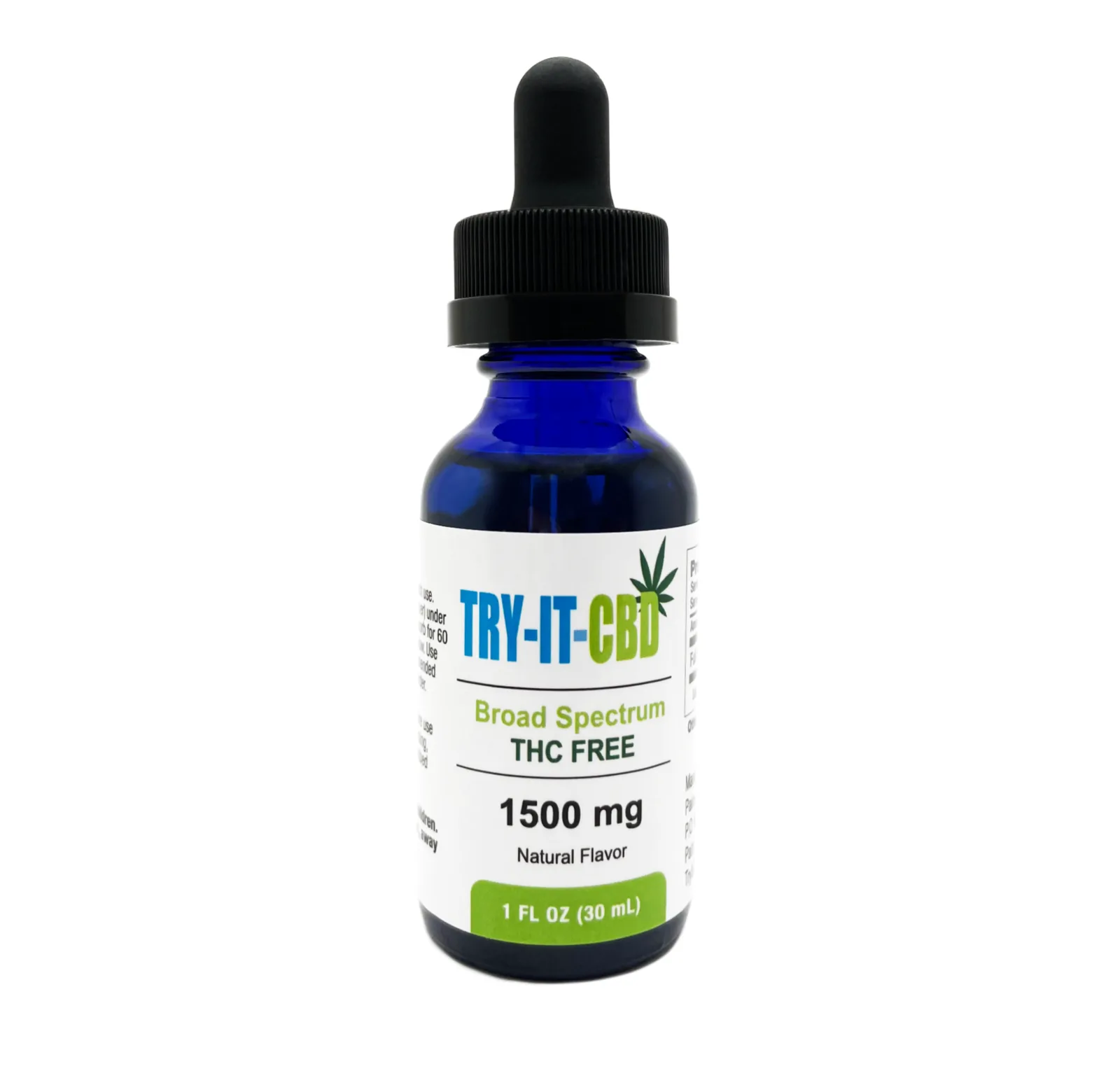
5. CBD For Life Roll-On
Rating: 7.8/10
CBD For Life manufactures their roll-ons in-house, which is a quality control advantage. However, the product doesn’t offer the same potency or botanical blend as top-tier competitors.
Pros:
- In-house production means direct quality oversight
- Roll-on format is convenient for on-the-go use
- Solid customer service reputation
Cons:
- Lower potency than TRY-IT-CBD and other leading brands
- Complementary botanical blend is less robust
- Roll-on applicator design could be more durable
A respectable option if you like the in-house manufacturing story, but you’re paying for brand heritage rather than superior product performance.
Why Full Spectrum Wins for Pain
Across every top contender, full-spectrum CBD dominates. Here’s why: Full-spectrum means the CBD comes with other cannabinoids, terpenes, and plant compounds from the hemp plant. These compounds don’t just tag along. They work together in what’s known as the entourage effect, amplifying pain-relief benefits beyond what isolated CBD alone can achieve.
When you’re managing pain, you want every advantage. Full-spectrum formulations deliver that. This is why TRY-IT-CBD uses full-spectrum hemp in their roll-on: it’s scientifically the better choice for topical pain relief.
What to Look for in a CBD Roll-On
Potency matters. A 500mg roll-on sounds okay until you realize you’re using it five times a day just to feel mild relief. Higher potency means fewer applications and better results. TRY-IT-CBD’s 2000mg formulation is built on this principle.
Check the ingredient list. Beyond CBD, look for botanicals like arnica and eucalyptus that have their own history of supporting localized comfort. Marketing fluff about “cooling” or “soothing” doesn’t mean much, but proven botanicals do.
Third-party testing is non-negotiable. You need to know the potency and purity of what you’re buying. Any brand worth your money will have lab results you can review.
The applicator matters. A mediocre roll-on design wastes product and frustrates you. The roll-on should be smooth, consistent, and leak-free. TRY-IT-CBD has engineered this detail because they understand that convenience is part of the product promise.
Our Winner: TRY-IT-CBD 2000mg Full Spectrum Roll-On
After comparing potency, formulation, convenience, and value, TRY-IT-CBD’s 2000mg Full Spectrum Roll-On is the clear choice for anyone serious about pain relief.
You’re getting maximum potency in a format designed for precise application. The arnica and eucalyptus blend complements the full-spectrum CBD in a way that genuinely enhances effectiveness. And because it’s made in-house with third-party testing, you know the quality is consistent every time you order.
If price were the only factor, one of the other options might make sense. But if you want the best results from a CBD roll-on, this is it. You won’t know how well a truly potent, full-spectrum roll-on works until you try it.
Frequently Asked Questions
How long does a CBD roll-on take to work?
Most people feel the effects within 15-30 minutes of topical application. Since roll-ons deliver CBD directly to the area where you need it, the onset is faster than ingestible products like gummies or tinctures. Full-spectrum formulations like TRY-IT-CBD’s tend to work more quickly than isolate products because of the entourage effect.
Can I use a CBD roll-on multiple times per day?
Yes. A CBD roll-on is designed for repeated, targeted use throughout the day. Many users apply it in the morning, after exercise, and before bed. Since topical CBD doesn’t enter the bloodstream in significant amounts, there’s no concern about daily use limits. Listen to your body and reapply as needed.
Will a CBD roll-on show up on a drug test?
Topical CBD roll-ons are highly unlikely to trigger a positive drug test because they don’t enter the bloodstream in measurable quantities. However, full-spectrum products contain trace amounts of THC (less than 0.3%), so extremely sensitive tests in professional or athletic settings might theoretically detect it. If you’re concerned, confirm with your testing authority beforehand.
What’s the difference between a roll-on and a cream?
A roll-on uses a ball applicator for mess-free, precise application, making it ideal for travel and quick touch-ups. A cream requires you to apply it by hand, offering more control over how much you use but less convenience. Roll-ons are better for portability; creams are better if you prefer a thicker texture that sits longer on the skin.


