

Best CBD Cream for Knee Pain 2026: Top 5 Ranked
October 23, 2026
Best CBD CBN Capsules 2026: Top 5 Ranked
October 25, 2026

If you’re shopping for CBD, you’ve probably noticed the labels: broad spectrum, isolate, full spectrum. They sound like chemistry class, but the differences are actually pretty straightforward. Broad spectrum and isolate CBD are two totally different products, and picking the wrong one could mean missing out on the benefits you’re looking for.
Thank you for reading this post, don't forget to subscribe!
Here’s the quick answer: broad spectrum contains CBD plus other cannabinoids and terpenes from the hemp plant, but with THC removed. Isolate is pure CBD and nothing else. Both have zero or undetectable THC, so they’re legal and won’t get you high. The real question is which one works better for your body and your goals.
What’s Inside Broad Spectrum CBD?
Broad spectrum is like the middle child of CBD products. It starts as full-spectrum (basically everything from the hemp plant) and then manufacturers remove the THC.
What you’re left with is CBD, plus minor cannabinoids like CBG, CBN, and CBC, plus terpenes (the stuff that gives hemp its smell and flavor). Think of it as a team of compounds working together.
This matters because those extra compounds might actually help CBD work better in your body. It’s called the entourage effect, and while science is still catching up on the details, the idea is simple: hemp compounds are stronger together than alone.
Broad spectrum is a solid choice if you want more than just pure CBD but you’re not comfortable with any THC at all, even undetectable amounts. If you’re looking to explore your options, TRY-IT-CBD offers broad-spectrum products so you can see what works for your routine.
What’s Inside CBD Isolate?
Isolate is the stripped-down version. It’s 99% pure CBD and basically nothing else. No other cannabinoids, no terpenes, no THC.
Manufacturers extract CBD from hemp and then purify it until it’s just the single compound. The result is usually a white powder or crystal that tastes and smells like nothing.
Some people prefer this because they know exactly what they’re getting: just CBD. No mystery ingredients, no minor cannabinoids, nothing but the one thing you’re looking for. If you’ve had a bad reaction to hemp products in the past, isolate might be a good starting point.
Broad Spectrum vs Isolate: The Real Differences
Let’s break down where these two actually differ.
- Cannabinoid content: Broad spectrum has CBD plus CBG, CBN, and CBC. Isolate has only CBD.
- Terpenes: Broad spectrum keeps the plant’s natural terpenes. Isolate has none.
- Flavor and smell: Broad spectrum tastes and smells a bit like hemp. Isolate is flavorless and odorless.
- The entourage effect: Broad spectrum is more likely to deliver it. Isolate works alone.
- THC: Both have zero or undetectable THC. Both are completely legal.
When to Choose Broad Spectrum
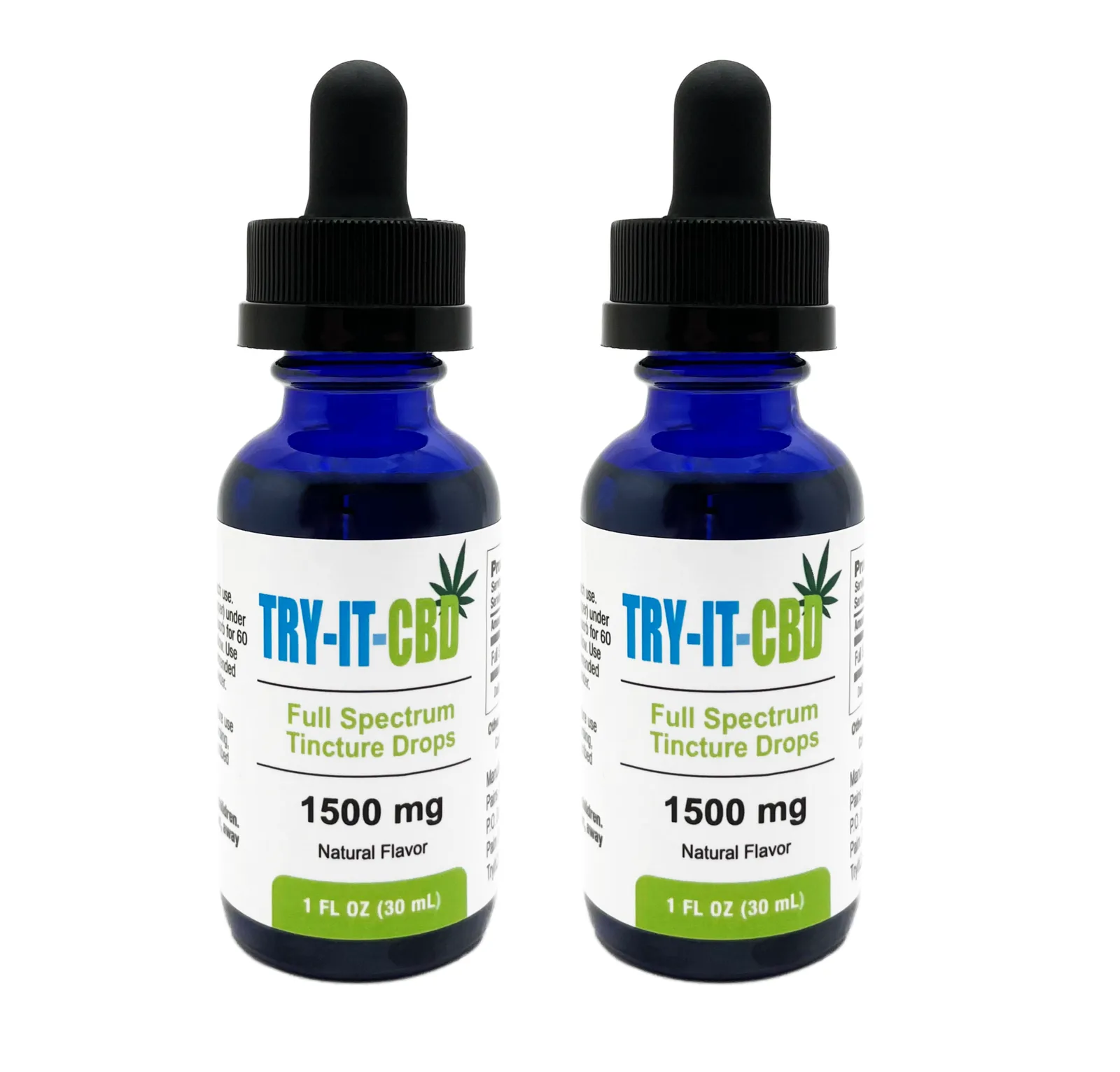
Pick broad spectrum if you want to try the entourage effect without worrying about any THC. It’s a nice balance between full-spectrum (which still has trace THC) and isolate (which is just one compound).
Broad spectrum is also great if you’re new to CBD and you want more than just pure CBD, but you want a bit more simplicity than full-spectrum offers. It’s the Goldilocks option: not too minimal, not too complex.
It’s also a good fit if you care about taste. Broad-spectrum products still have some hemp flavor and aroma from the terpenes, which many people actually like. You get a more “natural” experience.
When to Choose Isolate
Choose isolate if you want pure, straightforward CBD with zero other compounds. It’s perfect if you’ve had reactions to other hemp products or if you just prefer simplicity.
Isolate also works well if you’re mixing CBD into other products (like adding it to a smoothie or lotion) because it won’t change the taste or texture of what you’re making.
Some people also choose isolate because they’re cautious and want to know they’re getting exactly one thing. There’s nothing wrong with that approach.
What About Full Spectrum?
Since we’re comparing broad spectrum and isolate, it’s worth mentioning full spectrum too. Full spectrum has everything: CBD, all the minor cannabinoids, terpenes, and trace amounts of THC (less than 0.3%).
If you’re not worried about any THC at all, full spectrum might give you the strongest entourage effect. But if you want zero THC (or even undetectable amounts), broad spectrum is the better middle ground.
Many people find success with full spectrum because it’s the closest thing to what nature made. If you’re curious about trying different types, TRY-IT-CBD carries full-spectrum, broad-spectrum, and isolate options so you can experiment and find what feels right for your body.
How to Use Broad Spectrum and Isolate
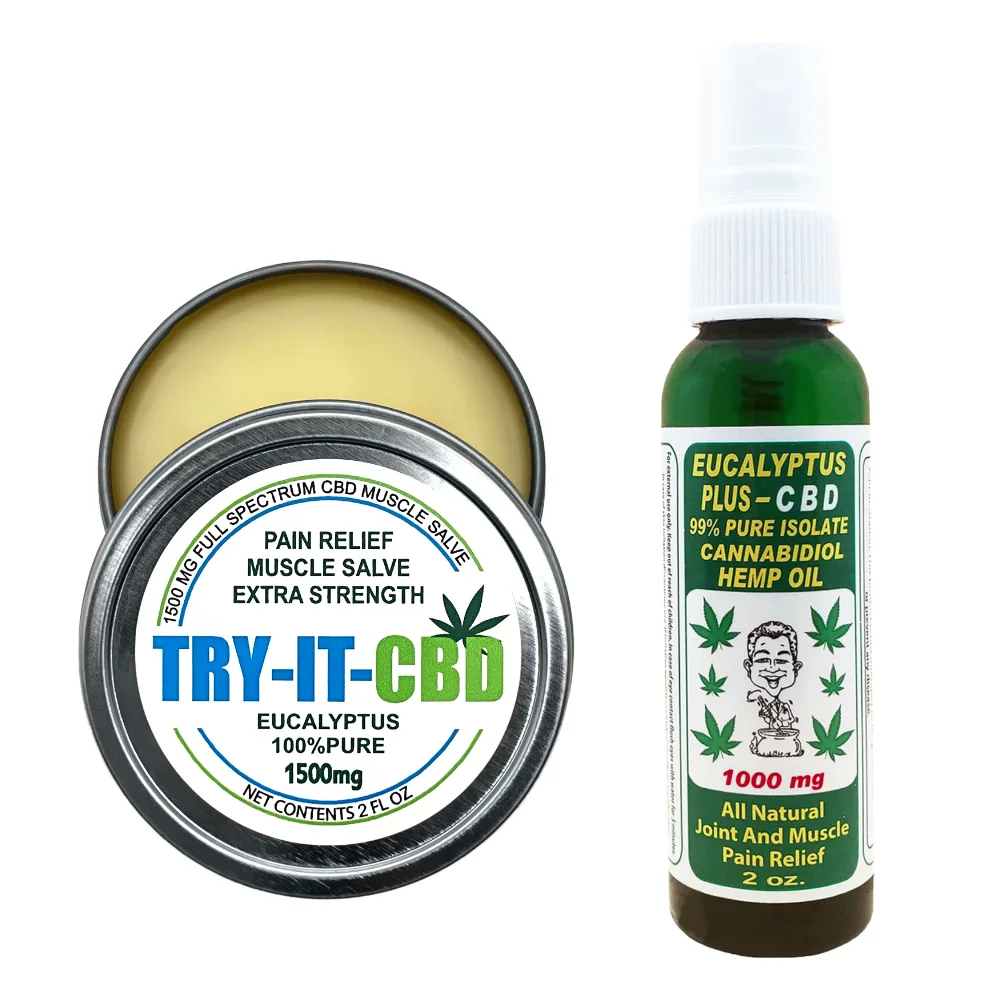
Both types come in similar forms: tinctures (liquid drops), gummies, roll-ons, salves, and sprays.
With tinctures and gummies, just follow the dosage on the package and give it time to work. Everyone’s body is different, so it might take a few days or a week to notice anything.
For topical products like roll-ons and salves, apply directly to the area you want to target. These are great for localized comfort and don’t enter your bloodstream the way tinctures do.
Start low and go slow, no matter which type you choose. Give your body time to adjust before increasing your dose.
Making Your Choice
Here’s how to decide:
Choose broad spectrum if: You want the benefits of multiple cannabinoids and terpenes. You’re not comfortable with any THC at all. You like a bit of hemp flavor. You want a middle-ground option.
Choose isolate if: You want pure CBD only. You’ve had reactions to other CBD products. You’re mixing CBD into other things. You want maximum simplicity and predictability.
Honestly, the best way to know which one works for you is to try both. Everyone’s body responds differently, and what works for your friend might not be your thing.
If you’re ready to test out either option, TRY-IT-CBD makes it easy to compare and find what fits your routine. They offer rigorous third-party testing on everything, so you know exactly what you’re getting.
Broad Spectrum and Isolate for Pain and Sleep
If you’re considering CBD for specific wellness goals like sleep or everyday discomfort, both broad spectrum and isolate can play a role.
Related: Best Broad Spectrum CBD for Sleep 2026: Top 5 Ranked
Related: Best Broad Spectrum CBD Softgels 2026: Top 5 Ranked
For localized discomfort, many people reach for topical products like roll-ons or salves. These let you apply CBD exactly where you need it. If you want a robust option with extra plant compounds working together, broad spectrum is a solid choice. If you prefer simplicity, isolate works just fine too.
For sleep support, tinctures and gummies are popular. Again, both broad spectrum and isolate can fit into a bedtime routine. Some people find the entourage effect of broad spectrum helps them relax more deeply, while others swear by the straightforward approach of isolate.
The key is consistency. Give whatever you choose at least a week or two before deciding if it’s working for you. Your body needs time to adjust.
People Also Ask
Is broad spectrum better than isolate?
Not necessarily. Broad spectrum might be better if you want the entourage effect and extra cannabinoids. Isolate might be better if you want pure CBD and simplicity. It depends on your body and what you’re trying to achieve. Try both and see which one feels right.
Related: Full Spectrum vs Broad Spectrum CBD: Which Is Right for You?
Related: Full Spectrum vs Isolate CBD: Which Is Right for You?
Does isolate CBD work as well as broad spectrum?
It can, but it works differently. Isolate is pure CBD doing its job alone. Broad spectrum is CBD plus other compounds that might enhance the effect. Some people feel a bigger difference with broad spectrum. Others notice no real difference. This is very individual.
Can I mix broad spectrum and isolate?
Sure, there’s no reason you can’t use both products, but there’s probably not much point. Pick one and commit to it for at least a week or two before switching. You need time to notice what actually works for your body.
Which has more THC, broad spectrum or isolate?
Neither has meaningful THC. Broad spectrum has undetectable amounts (THC is intentionally removed). Isolate has zero THC. Both are completely legal. The difference is negligible for practical purposes.


