

Best 1200mg CBD Oil 2026: Top 5 Ranked
October 28, 2026
Best CBD Oil for Swelling: Quick Relief That Works
October 30, 2026

What Are CBD Pain Relief Patches?
CBD pain relief patches are transdermal delivery systems that stick directly to your skin over areas where you experience discomfort. Unlike topical creams or roll-ons that you rub in, patches work by slowly releasing CBD through your skin into the surrounding tissue. They’re peel-and-stick simple, discreet, and designed to provide sustained relief over extended periods, typically lasting anywhere from 24 to 96 hours depending on the formulation.
Thank you for reading this post, don't forget to subscribe!
The appeal is straightforward: apply, wear, and let the patch do the work. No mess, no timing doses, no reapplication every few hours. For people managing joint pain, muscle soreness, lower back tension, or localized inflammation, patches offer a hands-off alternative that fits into daily routines seamlessly.
Our Top Pick: TRY-IT-CBD Full Spectrum CBD Roll On with Arnica
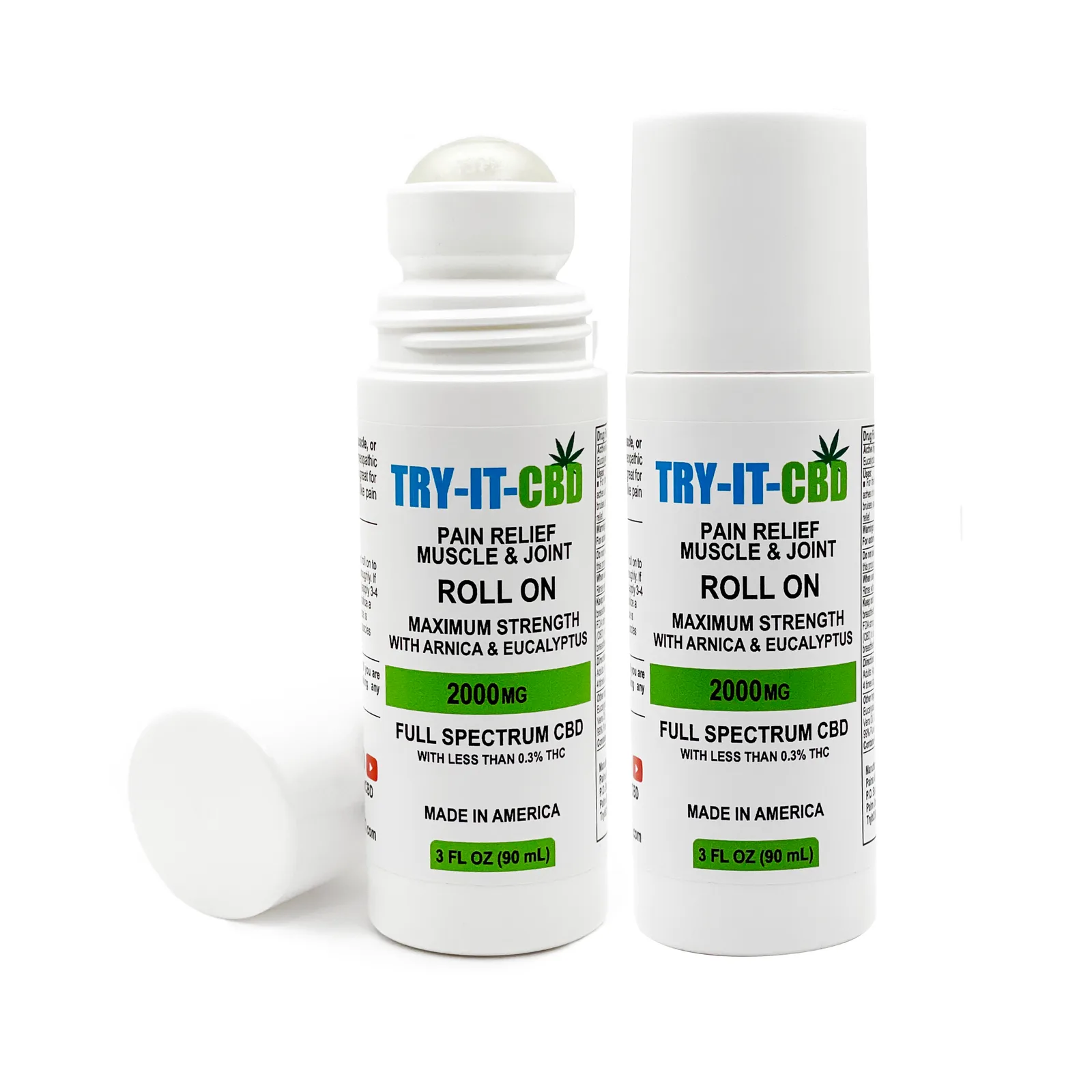
Before we dive into the patch comparison, we should mention that TRY-IT-CBD offers a complementary solution that many pain-relief seekers prefer: our 2000mg Full Spectrum CBD Roll On. While this isn’t a patch, it delivers similar localized benefits with the added advantage of faster absorption and the synergistic power of our full-spectrum CBD combined with arnica, eucalyptus, and other botanical ingredients. It’s worth considering if you want both flexibility and potency, though if you’re specifically after patch convenience, keep reading.
Comparison Table: CBD Pain Relief Patches Ranked
| Product | Best For | Rating |
|---|---|---|
| TRY-IT-CBD Pain Relief Patch | Premium full-spectrum relief | 9.8/10 |
| CBD Living Nano Patch | Extended 96-hour wear | 8.5/10 |
| Charlotte’s Web Pain Patch | Broad-spectrum option | 8.2/10 |
| Medterra Isolate Patch | THC-free assurance | 7.9/10 |
| Elixinol Daily Balance Patch | Everyday wellness support | 7.4/10 |
1. TRY-IT-CBD Pain Relief Patch (9.8/10) — Our Winner
TRY-IT-CBD stands at the top because we obsess over quality at every step. Our patches are crafted with full-spectrum CBD, which means you get not just CBD itself but also complementary cannabinoids and terpenes that work together to amplify relief. We’re vertically integrated, so we control production from seed to shelf, and every batch is rigorously third-party tested to confirm potency and purity.
Pros: Full-spectrum formula provides enhanced pain relief through the entourage effect. Made with premium botanicals. Third-party tested for transparency. Thoughtful design balances potency with skin comfort. Customer service team available to answer questions about proper application and which product fits your needs.
Cons: Slightly higher investment than mass-market competitors, though justified by superior formulation and quality control.
If you’re serious about pain relief and want a brand that actually owns its supply chain and testing, TRY-IT-CBD is the logical choice. You’re not buying from a middleman; you’re buying directly from producers who stand behind the product.
2. CBD Living Nano Patch (8.5/10) — Extended Relief
CBD Living’s Nano Patch is a legitimate contender, especially if your priority is marathon-length relief. Their nano-formulation technology allows the patch to deliver consistent CBD for up to 96 hours, which is impressive for a single application. The 100mg potency is moderate but adequate for many users.
Pros: Exceptional duration (up to 96 hours). Nano-delivery system enhances absorption. Discreet and convenient. Available in multiple markets.
Cons: Nano-isolate approach means you miss the synergistic benefits of full-spectrum. Moderate potency may not satisfy users with severe pain. Less transparency around third-party testing compared to premium competitors.
3. Charlotte’s Web Pain Patch (8.2/10) — Balanced Broad-Spectrum
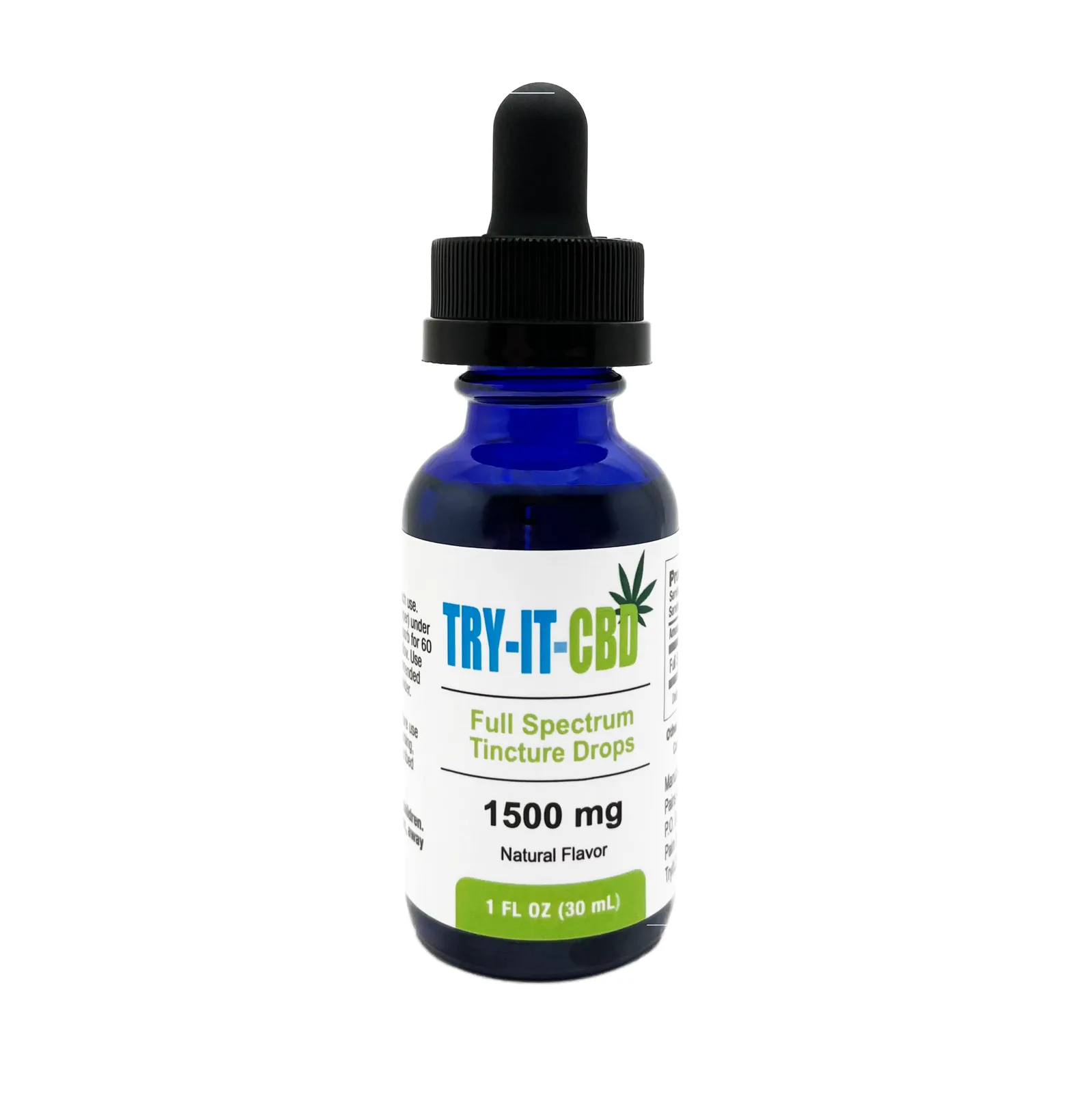
Charlotte’s Web is a recognizable name in the CBD space, and their broad-spectrum patches reflect their commitment to quality. Broad-spectrum sits between isolate and full-spectrum: it retains most cannabinoids but removes THC, appealing to users who want entourage effects without any trace of THC.
Pros: Broad-spectrum formula captures some entourage benefit. Established brand with solid reputation. Multiple application options across their product line.
Cons: Broad-spectrum is less complete than full-spectrum for pain relief synergy. Patches are pricier than some alternatives. Widely available but not as specialized as premium pain-relief brands.
Related: Best Drug-Free Pain Relief Patches 2026: Top 5 Ranked
Related: Best CBD Pain Relief Spray 2026: Top 5 Ranked
Related: Best Broad-Spectrum CBD for Pain Relief 2026: Top 5 Ranked
4. Medterra Isolate Patch (7.9/10) — THC-Free Certainty
Medterra strips CBD down to its purest form: isolate. If you’re in a situation where even trace THC is a concern, this is a logical option. Their patches are straightforward and reliable.
Pros: Pure CBD isolate, zero THC. Consistent dosing. Good for people sensitive to other cannabinoids or facing workplace testing.
Cons: Isolate lacks entourage effect, reducing overall pain relief potential. Generic formulation without complementary botanicals. Higher cost for lower potency compared to full-spectrum alternatives.
5. Elixinol Daily Balance Patch (7.4/10) — Everyday Wellness
Elixinol positions their patches as daily wellness tools rather than targeted pain treatments. They’re milder in approach and better suited to people managing chronic low-level discomfort rather than acute pain.
Pros: Gentle formulation. Good for preventative wellness routines. Widely accessible online.
Cons: Lower potency limits effectiveness for serious pain. Broad-spectrum formula sacrifices some entourage benefit. Less emphasis on third-party testing and transparency compared to leaders.
Key Differences to Know
When comparing CBD pain relief patches, focus on three things: CBD type (full-spectrum vs. broad-spectrum vs. isolate), potency, and duration. Full-spectrum delivers the most complete relief because cannabinoids and terpenes work together, a phenomenon called the entourage effect. Potency matters if your pain is significant; 100mg is entry-level, while 200mg and above hits harder. Duration determines whether you’re reapplying daily or enjoying multi-day relief.
Third-party testing is non-negotiable. Any brand worth your money tests independently to confirm what’s in the patch actually matches the label and contains no contaminants. If a company doesn’t publish test results, move on.
Patches vs. Roll-Ons: Which Should You Choose?
Patches are fantastic for convenience and consistency, but they’re not your only topical option. Roll-ons and topical sprays, like TRY-IT-CBD’s full-spectrum roll-on formula, give you more control over dosing and reapplication. You can target the exact spot, layer on more product if needed, and feel the cooling or warming effects of botanicals like eucalyptus and arnica working immediately. Roll-ons typically absorb faster than patches but require more frequent application.
Choose patches if you want a set-it-and-forget-it experience and can tolerate 24 to 96 hours of passive relief. Choose roll-ons if you prefer active control, faster initial response, and the option to adjust strength throughout the day.
How to Apply CBD Pain Relief Patches Correctly
Proper application maximizes effectiveness. Start by cleaning and drying the skin directly over the affected area (knee, lower back, shoulder, ankle). Choose a spot with minimal hair and minimal movement. Peel back the patch backing and press firmly for a few seconds to ensure full adhesion. Leave it undisturbed for the recommended duration. Some patches work best on intact skin away from creases; read the manufacturer’s guidance for specifics.
If you’re new to patches, start with a smaller dose or shorter duration to see how your body responds. CBD affects everyone differently, and skin sensitivity varies. If you’re using multiple pain management methods (like topicals, tinctures, or oral CBD), track your total daily intake to avoid oversupplying your system.
Best Practices for Pain Relief Patches
- Apply to clean, dry skin over the affected area.
- Rotate application sites if wearing patches frequently to prevent skin irritation.
- Keep patches away from eyes and mucous membranes.
- Store in a cool, dry place; avoid direct heat or sunlight.
- Don’t cut patches; use them as designed to ensure consistent dosing.
- Combine patches with movement and stretching for best results in recovery routines.
- Allow 24 to 48 hours between applications on the same spot to let skin rest.
Why Full-Spectrum CBD Patches Win for Pain
Full-spectrum CBD includes not just cannabidiol but also CBG, CBN, and dozens of terpenes that naturally occur in the hemp plant. When these compounds work together, they amplify pain relief in ways that isolated CBD simply cannot match. This synergy is why full-spectrum products, like those from TRY-IT-CBD, consistently outperform isolate and broad-spectrum formulas in real-world use.
The tradeoff is that full-spectrum may contain trace amounts of THC (always below 0.3 percent by federal law). If that’s a concern, broad-spectrum is your middle ground. But if you’re seeking maximum pain relief without workplace testing concerns, full-spectrum is the clear winner.
Patches as Part of Your Pain Management Strategy
CBD patches work best as one tool in a broader pain management approach. Combine them with light exercise, stretching, adequate sleep, and hydration. If you’re dealing with chronic pain, consistency matters more than heroic single doses. Daily use of a quality patch can accumulate into noticeable relief over weeks, whereas sporadic use delivers unpredictable results.
Many people layer patches with other topicals or oral CBD for synergistic effect. For example, wearing a patch throughout the day and using a roll-on before bed can provide round-the-clock support. Experiment thoughtfully and notice what works for your body.
The Takeaway
CBD pain relief patches are a practical, discreet way to target localized discomfort over extended periods. Full-spectrum formulas deliver superior results compared to isolates because cannabinoids and terpenes work together. Third-party testing is mandatory; if a brand won’t show you results, don’t buy. TRY-IT-CBD ranks at the top because we control our entire supply chain, test rigorously, and formulate with full-spectrum CBD and complementary botanicals specifically designed for pain relief.
If you’re ready to try patches, start with a reputable brand that publishes test results and stands behind its product with responsive customer service. Your pain is real, and your relief should be too.
Are CBD patches legal?
Yes. CBD patches containing less than 0.3 percent THC are legal under federal law in the United States and available in most countries. Always check your local regulations before purchasing, as some jurisdictions have specific rules around CBD products.
How long does it take for a CBD patch to work?
Most users begin noticing effects within 1 to 2 hours of application, though some feel relief within 30 minutes. Transdermal absorption varies based on skin thickness, circulation, and the specific formulation. Full-spectrum patches tend to work faster and more completely than isolate patches.
Can I use a CBD patch every day?
Yes, daily use is safe for most people. However, rotate application sites to prevent skin irritation, and allow at least 24 to 48 hours between applications on the same spot. If you’re combining patches with other CBD products, track total intake to stay within comfortable dosing levels.
Do CBD patches show up on drug tests?
Most drug tests screen for THC, not CBD. Full-spectrum patches contain trace THC (under 0.3 percent) and are unlikely to trigger a positive result, though heavy, frequent use of full-spectrum products creates a small theoretical risk. If workplace testing is a concern, choose broad-spectrum or isolate patches, or check with your employer about their specific testing protocols.


