

Best Broad Spectrum CBD Softgels 2026: Top 5 Ranked
October 31, 2026
Is Full Spectrum CBD Better? Here’s What You Need to Know
November 2, 2026

If you’re tired of lying awake at night, CBD might be the answer you’ve been looking for. CBD can help you fall asleep faster, stay asleep longer, and wake up feeling more rested. The best part? It doesn’t come with the grogginess or dependency issues you get from prescription sleep meds.
Thank you for reading this post, don't forget to subscribe!
Here’s what you need to know about using CBD for better sleep.
How CBD Actually Helps You Sleep
Your body has an endocannabinoid system that regulates everything from mood to sleep cycles. CBD interacts with this system to help you relax and unwind.
When you’re anxious or stressed, your mind won’t shut off at night. CBD works partly by calming anxiety, which removes one of the biggest barriers to falling asleep. Once anxiety is out of the way, your body can actually relax.
Related: Best CBN Drops for Sleep: What Actually Works in 2026
CBD also directly promotes relaxation in your muscles and nervous system. This physical calm makes it way easier to drift off.
Related: CBD for Muscle Tension: What Works & How to Use It
Sleep Onset vs. Sleep Quality: What’s the Difference?
There are two separate sleep problems, and CBD can help with both.
Sleep onset is about how fast you fall asleep. If you’re lying in bed for an hour before dozing off, CBD can speed that up. It relaxes your body and quiets your racing thoughts, so you actually feel tired when your head hits the pillow.
Sleep quality is about staying asleep and waking up rested. CBD helps with this too. You’ll sleep through the night without waking up constantly, and you’ll feel more refreshed the next morning.
The good news: CBD addresses both issues at the same time.
Dosage Matters More Than You Think
You can’t just take a random amount of CBD and hope it works. The dose matters.
Too little and you won’t feel anything. Too much and you might oversleep or feel groggy. The sweet spot is different for everyone, so you’ll need to experiment a little.
Start with a lower dose and gradually increase it over a few nights until you find what works for your body. Keep notes on how you sleep after each dose. This trial-and-error process is actually why our tagline is “You Won’t Know How CBD Works Unless You Try It.”
Most people find their ideal dose within a week or two.
Full-Spectrum vs. Isolate: Which Is Better for Sleep?
CBD comes in different forms, and the type matters for sleep.
Full-spectrum CBD contains CBD plus all the other compounds naturally found in the hemp plant, including trace amounts of other cannabinoids. This combination is often more effective for sleep because these compounds work together. It’s called the “entourage effect.”
Isolate CBD contains only pure CBD with everything else removed. It works, but many people find full-spectrum products give better sleep results.
If you’re serious about better sleep, start with full-spectrum CBD products. You’ll likely see better results faster.
Delivery Methods: Tinctures, Gummies, or Topicals?
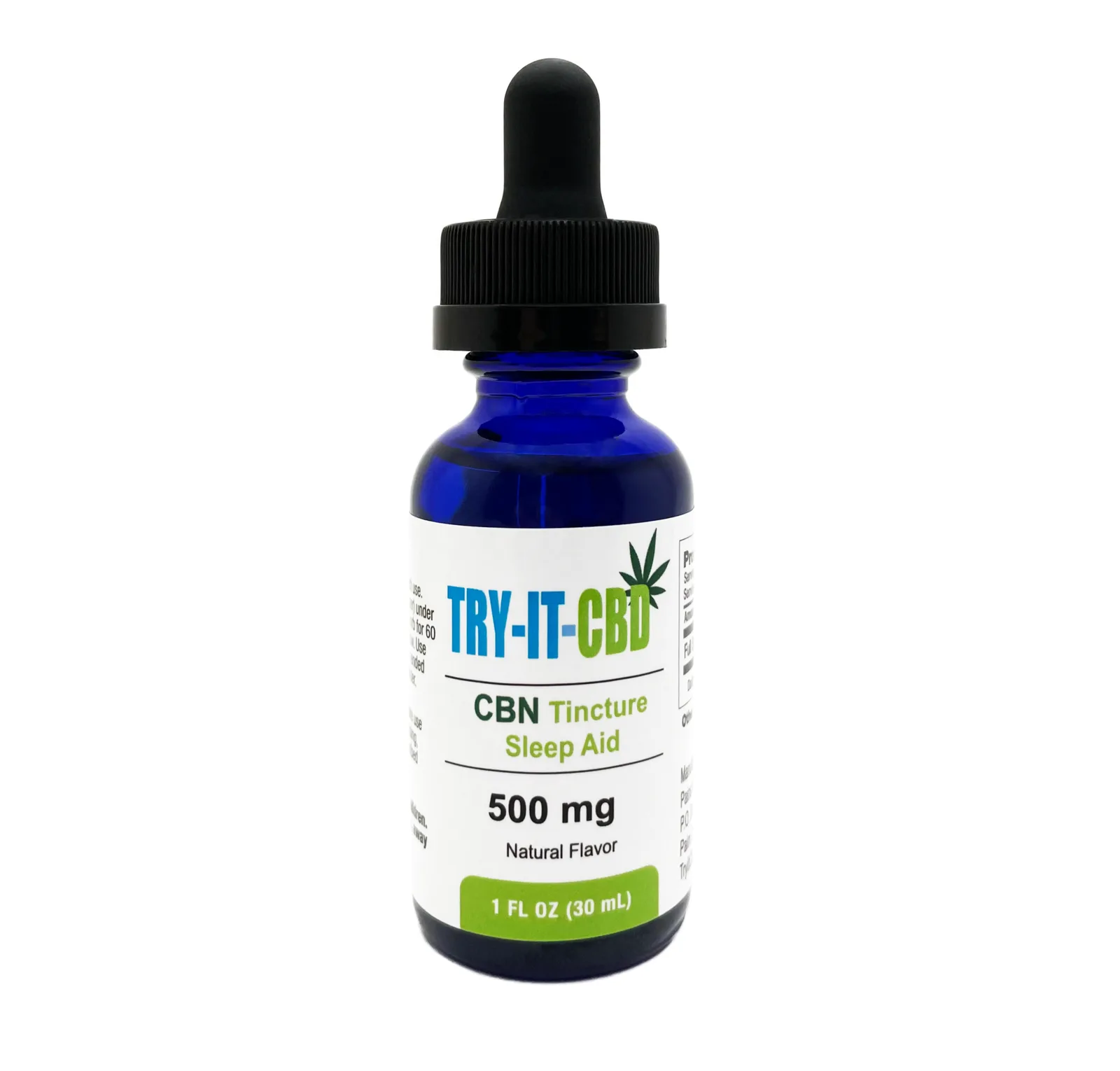
You have options for how to take CBD, and each has pros and cons for sleep.
CBD Tinctures (oils): You put drops under your tongue, and CBD absorbs directly into your bloodstream. This is fast and effective. You’ll feel the effects within 15-30 minutes. Tinctures also let you dial in your exact dose easily.
CBD Gummies: Easy, tasty, and convenient. They take longer to kick in (45-90 minutes) because your stomach has to digest them first. But the effects last longer, which is great if you need sleep support through the whole night.
Topicals like Roll-Ons: If tension in your neck, shoulders, or back is keeping you awake, a topical CBD roll-on can help. Our best-selling 2000mg Full Spectrum CBD Roll On combines CBD with arnica, eucalyptus, and other soothing ingredients. Roll it on problem areas before bed, and you’ll feel the relaxation kick in. This works especially well if physical discomfort is your sleep blocker.
For pure sleep support, tinctures and gummies are your go-to options.
Quality and Testing: Why It Matters
Not all CBD is created equal. The extraction method and testing standards make a huge difference in whether a product actually works.
Clean extraction methods pull CBD from the hemp plant without leaving behind solvents or contaminants. If a company cuts corners on extraction, you’re getting a lower-quality product that won’t be as effective for sleep.
Third-party testing is your safety net. A reputable brand like TRY-IT-CBD sends every batch to an independent lab to verify the CBD content and check for contaminants. This transparency means you know exactly what you’re putting in your body.
Before you buy any CBD for sleep, check if the company publishes third-party test results. If they don’t, skip them.
Related Cannabinoids That Support Sleep
CBD isn’t the only compound that helps with sleep. CBN (cannabinol) is another cannabinoid that may contribute to restorative sleep effects.
Some full-spectrum products naturally contain small amounts of CBN, which gives you extra sleep support. The combination of CBD plus CBN and other cannabinoids can be more effective than CBD alone.
This is another reason full-spectrum products often work better for sleep than isolates.
When to Take CBD for Maximum Effect
Timing is important. You want CBD in your system when you’re trying to fall asleep, not hours before bed.
If you’re using a tincture, take it 15-30 minutes before you want to sleep. If you’re using gummies, take them 45-60 minutes before bed to give them time to digest and kick in.
If you’re using a topical roll-on for muscle tension, apply it to problem areas right before bed so the relaxation spreads through your body as you’re trying to drift off.
Experiment with timing just like you do with dosage. Some people feel better taking CBD right at bedtime. Others prefer taking it 30 minutes early. Find your rhythm.
Combining CBD With Other Sleep Habits
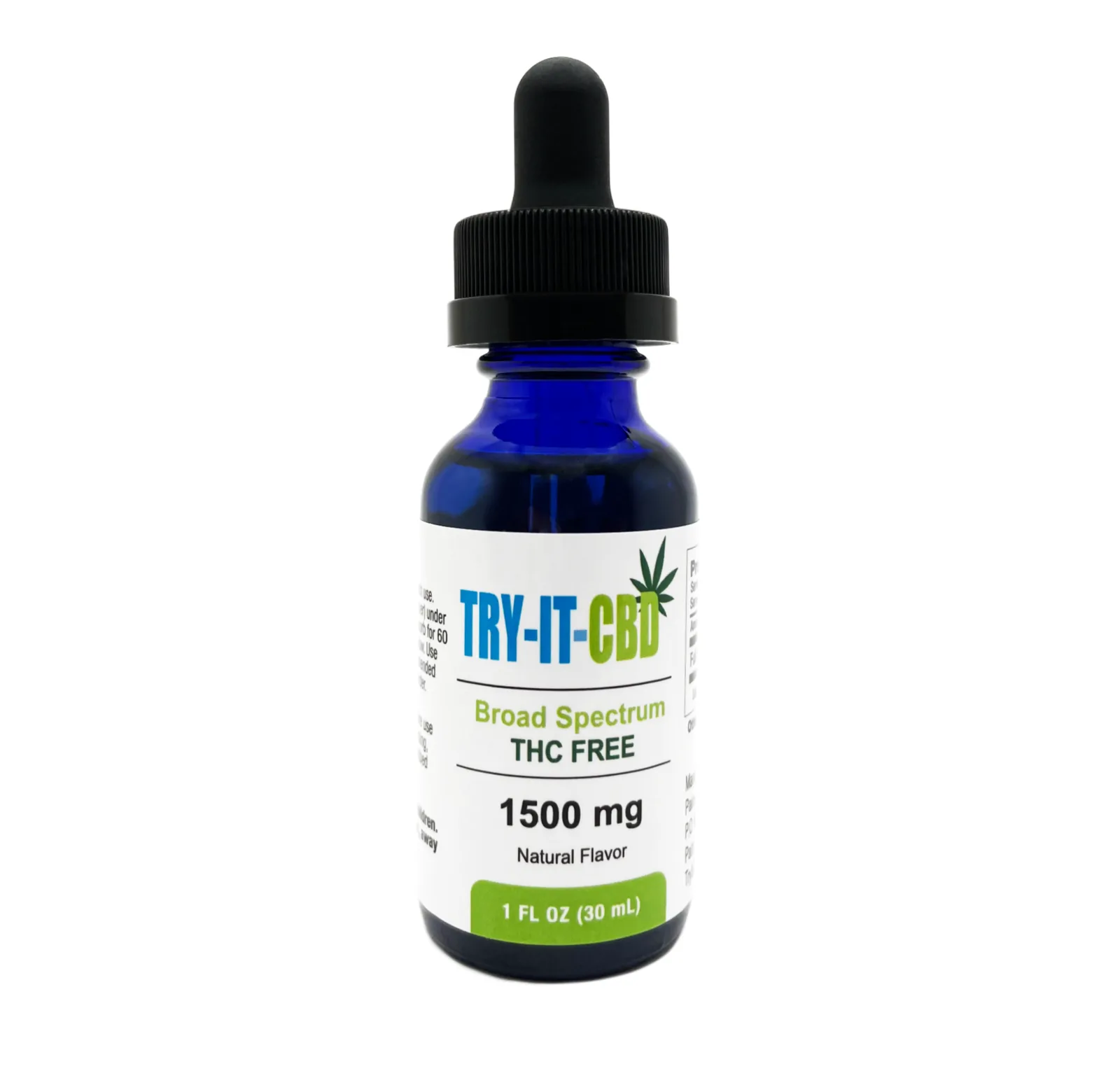
CBD works best when you’re also doing the basics right. You can’t expect CBD to fix your sleep if you’re drinking coffee at 6 PM and staring at your phone until midnight.
Related: CBD for Focus: How It Works & What to Expect
The best approach combines CBD with solid sleep habits. Keep your bedroom cool and dark. Put your phone away an hour before bed. Stick to a consistent sleep schedule. Avoid caffeine after noon.
When you pair CBD with these habits, your sleep improves dramatically. CBD removes the anxiety and tension that keeps you awake, and good sleep hygiene creates an environment where sleep can actually happen.
What to Expect in Your First Week
Don’t expect immediate miracles on night one. CBD builds in your system over a few days.
Most people notice a subtle difference by night two or three. You might fall asleep a little easier or wake up fewer times during the night.
By the end of your first week, the effects become more noticeable. You’ll sleep through the night more consistently and wake up feeling more rested.
After a week or two of consistent use, you’ll have a clear sense of whether CBD is working for you. If it is, keep going. If not, try a different dose or product type.
Getting Started With Quality CBD
Now that you understand how CBD works for sleep, it’s time to find the right product for your needs.
Look for full-spectrum, third-party tested CBD from a brand that actually cares about quality. The extraction matters. The testing matters. The reputation matters.
If you’re ready to try CBD for better sleep, TRY-IT-CBD offers a range of sleep-focused products including full-spectrum tinctures, sleep gummies, and our popular 2000mg roll-on with arnica. Start with whichever delivery method appeals to you most, keep notes on your sleep, and adjust your dose as needed.
You won’t know how CBD works for your sleep until you actually try it.
People Also Ask
How long does it take CBD to work for sleep?
Most people feel the effects within 15-30 minutes if using a tincture, or 45-90 minutes if using gummies. Full effects often build over several nights of consistent use. Some people notice a difference on night one, while others need a week or two to really feel the sleep improvement.
Is CBD safe to take every night?
CBD is generally considered safe for nightly use. It’s not habit-forming like prescription sleep medications. That said, everyone’s body is different, so if you have concerns or take other medications, it’s smart to check with your doctor first. Quality matters too, so stick with third-party tested products from trusted brands.
Can I combine CBD with other sleep supplements?
Many people combine CBD with other sleep-supporting herbs or supplements. However, if you’re taking any medications or have health conditions, talk to your doctor before mixing CBD with other products. The combination approach can work well, but you want to make sure everything plays nicely together.
Does the type of CBD product matter for sleep?
Yes. Full-spectrum products tend to work better than isolates because of the entourage effect. Tinctures kick in faster, while gummies last longer in your system. Topical roll-ons work best if physical tension is your sleep blocker. Your best bet is to try the delivery method that matches your specific sleep problem.


