

CBD for Better Sleep: How It Works & What to Try
November 1, 2026
Best CBD Roll-On for Shoulder Pain Relief
November 3, 2026

Short answer: for most people, yes, full spectrum CBD is better. But it depends on what you’re trying to do and how your body responds.
Thank you for reading this post, don't forget to subscribe!
Full spectrum CBD contains the whole plant experience. You’re getting CBD plus other cannabinoids, terpenes, and plant compounds all working together. That’s different from CBD isolate, which is just the CBD molecule by itself, stripped of everything else.
Related: Does Full Spectrum CBD Have THC? Yes—Here’s What You Need to Know
Related: CBD Properties: What You Need to Know in 2026
Related: CBD for Women: Benefits, Dosing & What You Need to Know
The real question isn’t whether full spectrum is universally better. It’s whether full spectrum is better for you. And to figure that out, you need to understand what you’re actually getting and why it might work differently than you expect.
What Makes Full Spectrum CBD Different
Full spectrum CBD is like the difference between eating an orange and taking a vitamin C tablet. Both have vitamin C, but the orange has fiber, water, flavonoids, and other stuff that changes how your body processes it.
When you use full spectrum CBD, you’re not just getting one compound. You’re getting CBD, plus THC (in tiny amounts that won’t make you high), plus CBN, CBG, and a bunch of other cannabinoids. You also get terpenes, which are the aromatic compounds in plants that give them their smell and flavor.
All of these compounds are present in small amounts, but together they create something called the entourage effect. Think of it like a band. One person playing guitar is nice. But when you add drums, bass, and vocals, you get something richer and more interesting.
The Entourage Effect Explained Simply
The entourage effect is the idea that multiple plant compounds work better together than any single compound works alone.
CBD isolate is pure CBD. It’s effective for some people. But full spectrum CBD has CBD plus dozens of other cannabinoids and plant compounds. When these work together, they may enhance each other’s effectiveness. You might need less of it. You might feel better results. Or you might find it works for situations where isolate didn’t.
This matters most for pain relief, anxiety, and sleep. These are complex conditions that don’t always respond to a single compound. Full spectrum covers more ground.
Full Spectrum CBD for Pain and Inflammation
If you’re looking for CBD to help with pain or inflammation, full spectrum is where most people see the biggest difference.
Full spectrum has CBD, yes, but it also has other cannabinoids that contribute to pain relief on their own. When they combine, you get a more complete effect on pain and inflammation. This is especially true for physical discomfort from workouts, tension, or general soreness.
This is why TRY-IT-CBD’s 2000mg Full Spectrum CBD Roll On works so well for so many people. It’s not just the CBD. It’s the CBD combined with arnica, eucalyptus, and other plant compounds in a formula designed to hit pain from multiple angles. You apply it where you need it, and the full spectrum compounds work together to address the discomfort.
Full Spectrum for Sleep and Relaxation
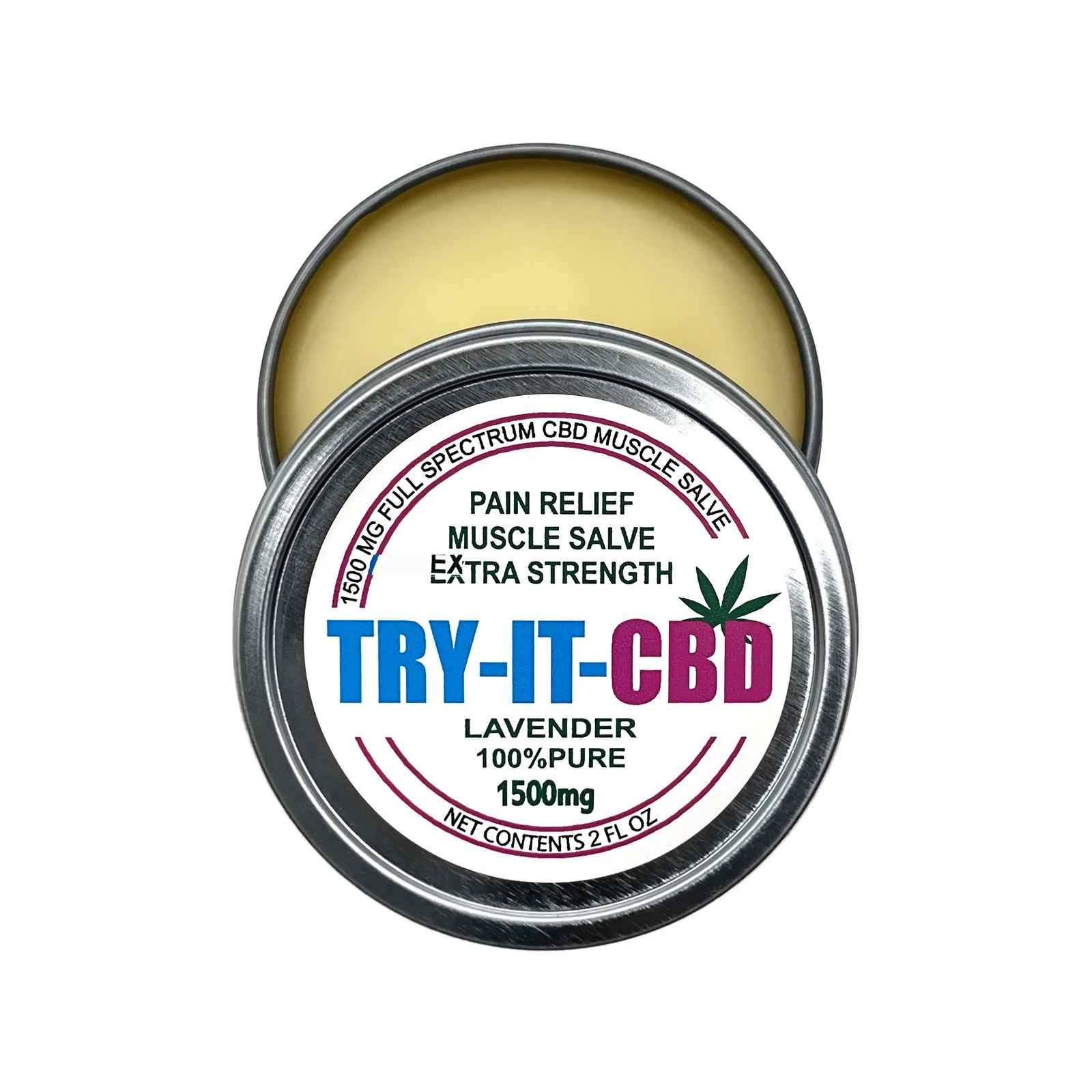
Sleep is another area where full spectrum shines.
CBD alone can help some people relax. But full spectrum has additional cannabinoids like CBN that have their own relaxing properties. Combined with CBD, you get a more complete sleep support system. You’re not just getting one compound trying to do all the work.
People who struggle with a racing mind or physical tension often find full spectrum more effective than isolate because it addresses both the mental and physical components of poor sleep.
Full Spectrum for Anxiety and Stress
Anxiety is complicated. It shows up as racing thoughts, physical tension, stomach issues, and more.
Full spectrum CBD addresses more of these because you’re getting multiple compounds working on different parts of the problem. The CBD calms your nervous system. The terpenes contribute their own calming effects. Other cannabinoids add to the overall sense of ease.
This layered approach is why full spectrum often feels more effective for anxiety than isolate, even when the isolate has a higher CBD content.
Broad Spectrum vs Full Spectrum: What’s the Difference
Broad spectrum is the middle ground.
It starts as full spectrum but then goes through additional processing to remove THC. This means you get all the other beneficial cannabinoids and terpenes, but without any THC at all.
Full spectrum keeps the THC (in legal amounts that won’t make you high). Most states allow up to 0.3% THC by law, and at that level, you won’t feel intoxicated. But you might feel the benefits more strongly.
If you’re concerned about THC showing up on a drug test or you just prefer to avoid it entirely, broad spectrum is a solid choice. But if you want the strongest possible entourage effect, full spectrum has the edge.
Should You Choose Full Spectrum CBD
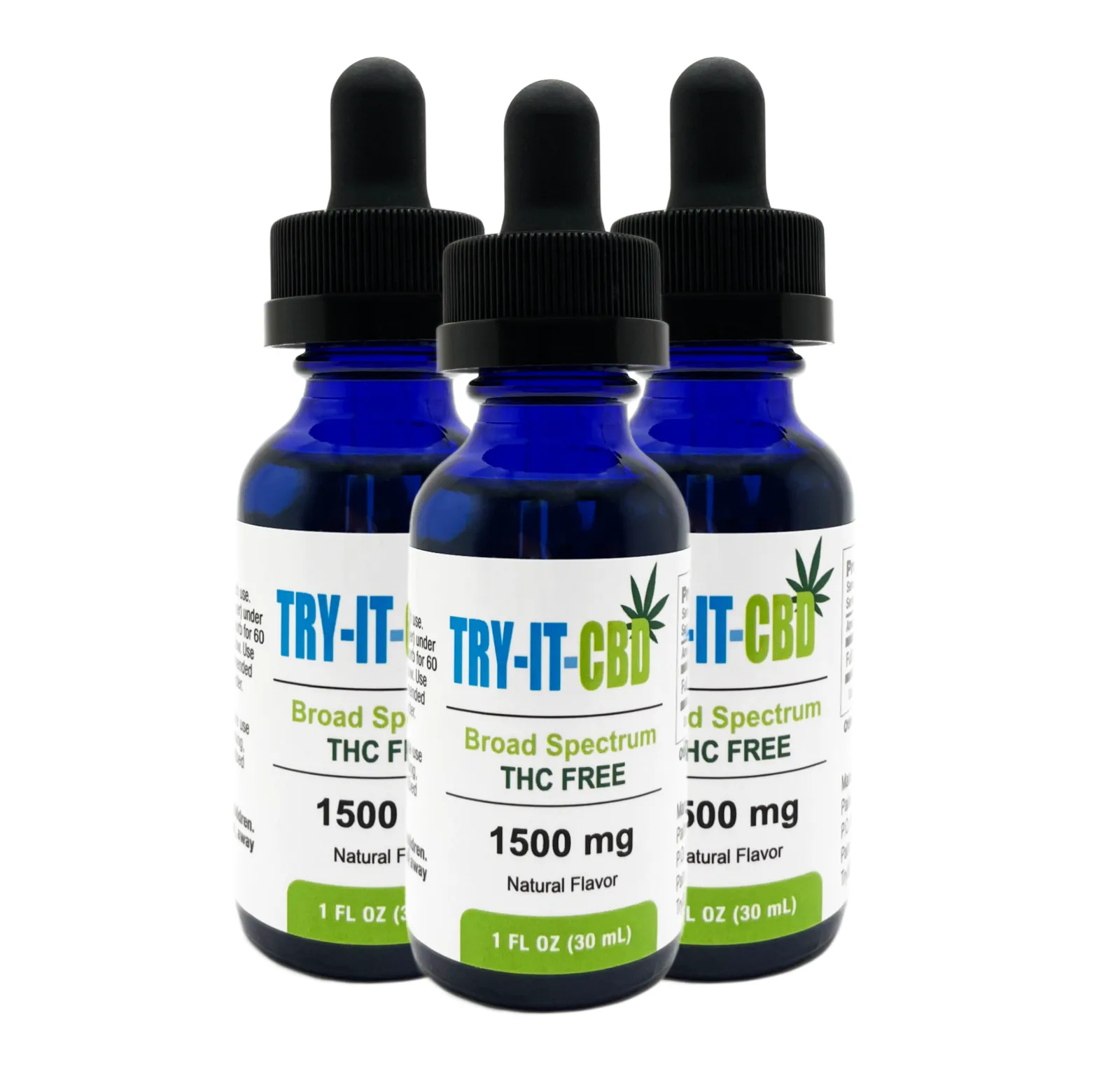
Full spectrum is better for most people. But here’s when isolate might make sense instead:
- You’re sensitive to THC, even in tiny amounts
- You’re in a situation where any THC at all is a concern
- You want to start super simple and build from there
- You’re using CBD alongside other medications and want fewer variables
For everything else, full spectrum delivers more. More cannabinoids. More terpenes. More of the plant’s natural benefits working together.
If you’re ready to try full spectrum and you’re specifically interested in pain relief or physical recovery, explore what TRY-IT-CBD offers. The 2000mg Full Spectrum Roll On is the number-one seller for a reason. It combines the full spectrum advantage with targeted ingredients like arnica and eucalyptus that address pain and inflammation directly where you apply it.
How to Start with Full Spectrum CBD
If you’re switching from isolate or trying full spectrum for the first time, start low and go slow.
Full spectrum is more potent because you’re getting multiple compounds working together. You might need less of it than you think. Start with a small dose and give it a week. Notice how you feel. Then adjust based on your results.
If you’re using a tincture, roll-on, or gummies, begin with the serving size on the label and track your experience. Full spectrum benefits often build over time, so don’t judge it by one dose.
Keep notes on your sleep, pain levels, stress, or whatever you’re using it for. This gives you real data about whether full spectrum is working for you specifically.
FAQs
Will full spectrum CBD make me fail a drug test?
Full spectrum CBD contains THC in tiny amounts (up to 0.3% by law). For most people, this won’t show up on a standard drug test. But if you’re in a situation where any amount of THC is a concern, broad spectrum is the safer choice since it has the THC removed.
Is full spectrum CBD legal?
Full spectrum CBD derived from hemp is legal in most of the US as long as it contains no more than 0.3% THC. Check your local laws to be sure, but it’s legal to buy and use in the vast majority of places.
Can I use full spectrum CBD with medications?
CBD can interact with some medications because of how your body processes it. If you’re on any regular medications, talk to your doctor before adding CBD to your routine. They can tell you whether there’s any risk with your specific situation.
How long does it take to feel the effects of full spectrum CBD?
It depends on the product and your body. Topical products like roll-ons can be felt within minutes. Tinctures typically take 15-45 minutes. Gummies take longer because they have to be digested. Most people notice the strongest benefits after consistent use for a week or two.


